‘Rama chooses his characters’: How Ajinkya Deo went from playing Dasharatha to Vishvamitra
Source Entity
Devansh Sharma
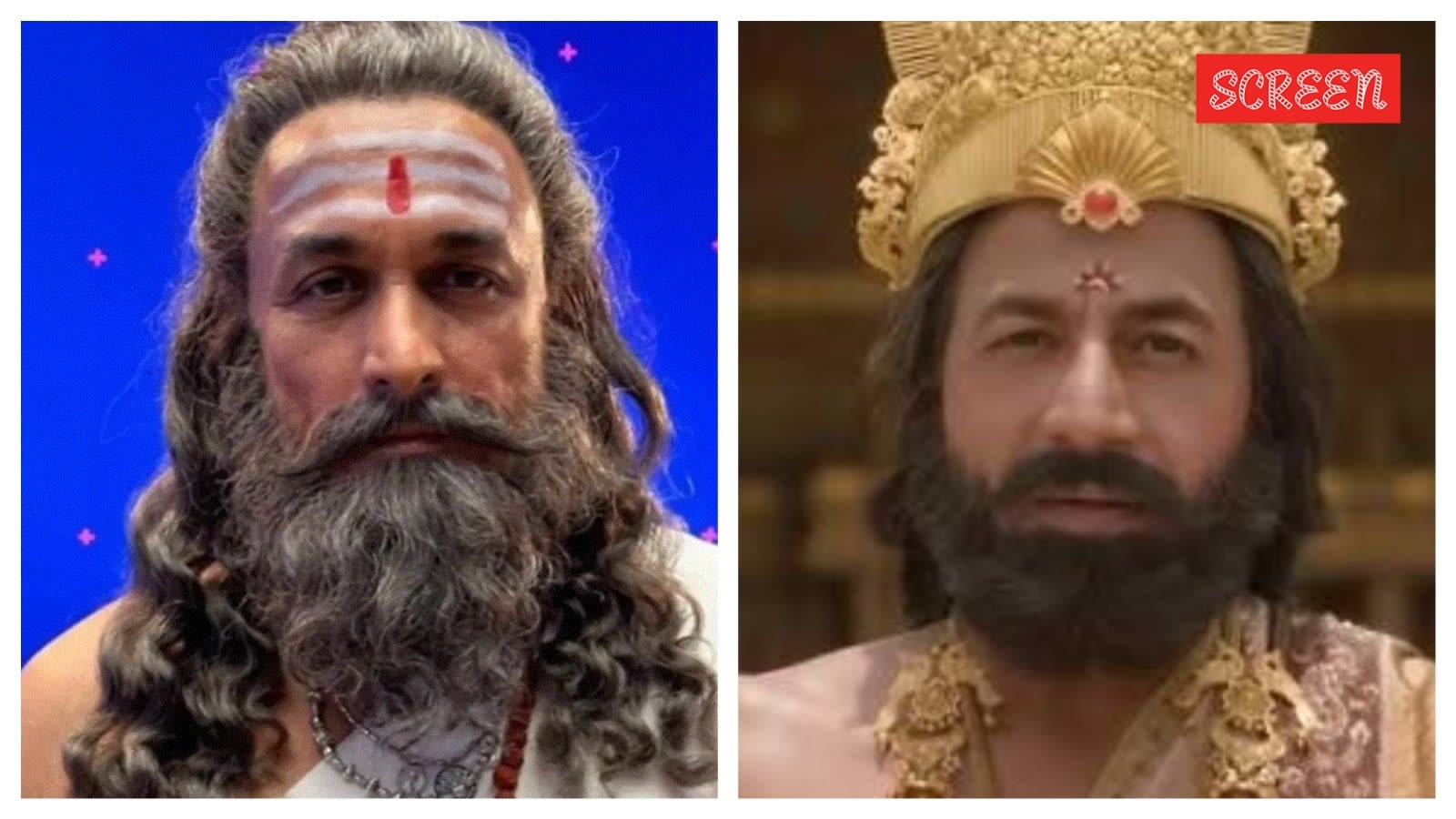
Nitesh Tiwari’s Ramayana has become the fastest Indian film to surpass Rs 1,500 crore globally in just 14 days. The production features a star-studded cast including Ranbir Kapoor, Yash, and Sunny Deol, while highlighting unique casting journeys like that of Ajinkya Deo.
The Cinematic Phenomenon: Nitesh Tiwari’s Ramayana
Nitesh Tiwari’s ambitious adaptation of the Indian epic, Ramayana, has officially redefined the landscape of Indian cinema. Within a mere 14 days of its theatrical release, the film has shattered records, becoming the fastest Indian production to cross the monumental Rs 1,500 crore mark globally. This achievement serves as a testament to the enduring global appeal of the epic, coupled with high-caliber production values helmed by producer Namit Malhotra.
Breaking Regional and International Barriers
The film’s success is not limited to traditional strongholds. It has achieved the unprecedented feat of being the first Bollywood production to gross over Rs 50 crore in all four major South Indian markets, signaling a shift toward a truly pan-Indian cinematic language. Furthermore, its entry into the exclusive $25 million club in North America underscores the massive expansion of the Indian film industry’s reach in overseas territories, setting a new benchmark for future mythological epics.
The Art of Strategic Casting
Beyond the box office, the film’s success is attributed to its meticulous casting, orchestrated by Mukesh Chhabra. The process involved blending iconic stars with nuanced character arcs. A notable example is Ajinkya Deo, who was initially considered for the role of King Dasharatha but eventually took on the role of the sage Vishvamitra. Deo’s reflection on the process highlights the spiritual gravity the actors felt toward the material, suggesting that the characters in this adaptation were chosen with a sense of purpose and divine timing.
Expanding the Universe: The End-Credit Teases
The film’s conclusion has successfully built anticipation for future installments. The post-credits reveal of Sunny Deol as Hanuman—a portrayal marked by intense, earth-shaking energy—has captivated audiences. Simultaneously, the introduction of Raghav Juyal as Meghanada adds a layer of depth to the antagonists. Juyal, transitioning from his background as a reality show performer to a formidable villain, has explicitly stated his intent to draw inspiration from the antagonist’s portrayal, specifically referencing Yash’s performance as Ravana.
The Narrative Stakes for Part 2
With the introduction of the primary conflict—the abduction of Sita (Sai Pallavi) and the looming confrontation with Ravana—the narrative stakes are set high. The inclusion of characters like Jatayu, voiced by Anupam Kher, serves as a poignant reminder of the arduous journey ahead for Rama (Ranbir Kapoor). By weaving these legendary figures into a cohesive cinematic universe, the filmmakers have successfully bridged the gap between traditional storytelling and modern visual spectacle.
Future Trends and Legacy
The success of Ramayana suggests a burgeoning trend in Indian cinema: the pivot toward high-budget, multi-part mythological sagas that prioritize character depth alongside grand visual effects. As the industry looks toward the sequel, the focus will likely remain on maintaining this balance of emotional weight and blockbuster scale. By establishing a world where every character possesses a distinct arc, Tiwari has ensured that the audience remains invested not just in the spectacle, but in the evolution of each individual player within this ancient, timeless tale.