Nitish Kumar Reddy better off not taking the Hardik Pandya route; red-ball bowling key to long-term success
Source Entity
Latest News: Todays Latest News Headlines from India & World | Hindustan Times | Hindustan Times
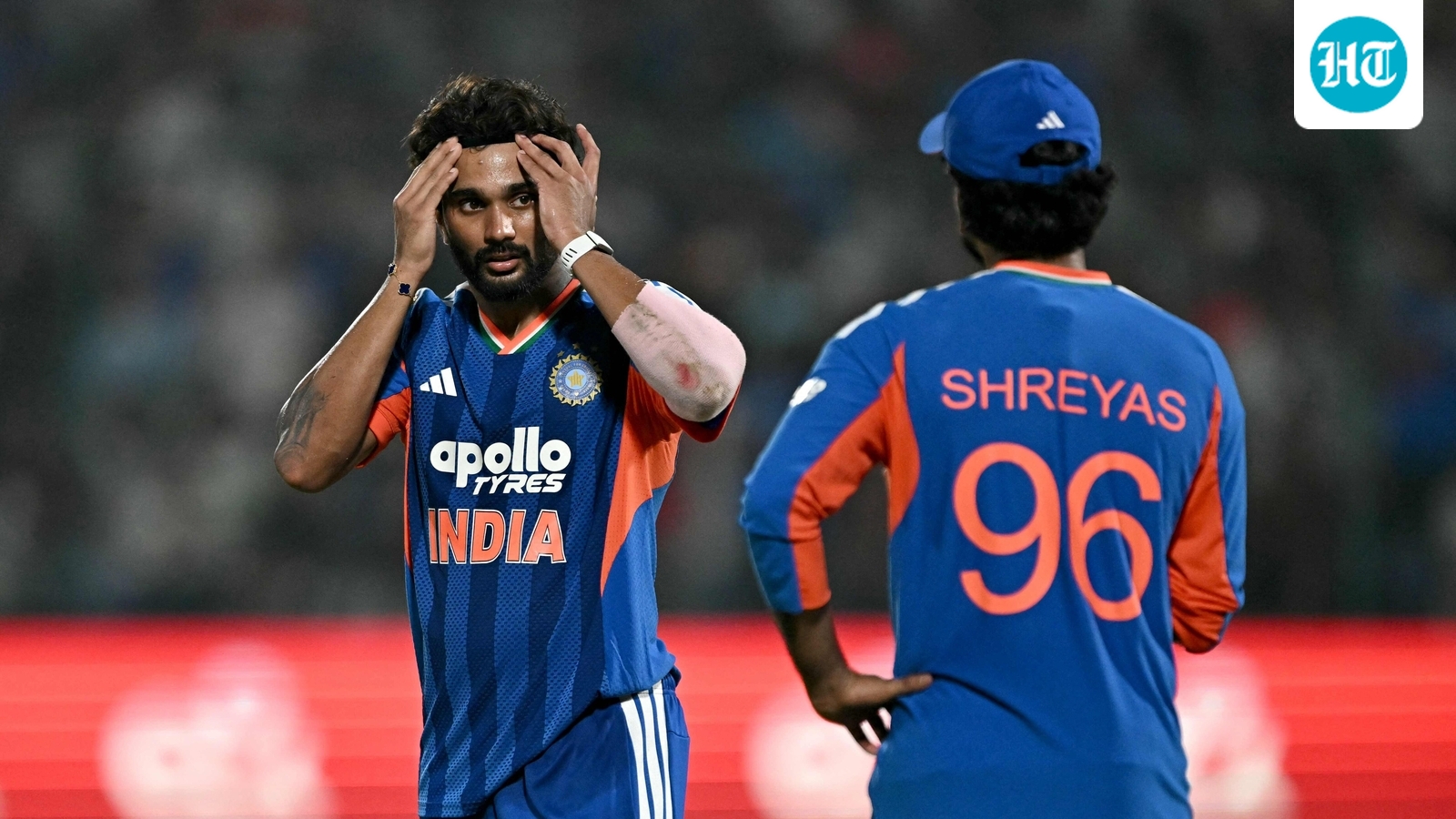
The Indian cricket team is exploring alternatives to Hardik Pandya as a seam-bowling all-rounder due to his recurring fitness issues. Nitish Kumar Reddy has emerged as a potential successor, though his development requires a focus on red-ball bowling discipline rather than mimicking Pandya's white-ball-focused path.
The Search for India's Next Seam-Bowling All-Rounder
The Indian cricket team faces a recurring structural challenge: the identification and development of a reliable seam-bowling all-rounder capable of transitioning across formats. For years, Hardik Pandya served as the primary occupant of this role, providing balance to the side. However, persistent injury concerns and a strategic shift toward white-ball specialization have effectively sidelined him from the Test arena, forcing selectors to look toward the future.
The Limitations of the Pandya Model
Hardik Pandya’s career trajectory, characterized by long absences due to injury and rehabilitation, has left a void in India's long-form setup. While he remains a potent force in T20 cricket, his unavailability for Test matches has hampered India's ability to maintain a balanced XI in the longest format. The recent news regarding his shin injury, which ruled him out of the Australia A series, further underscores the fragility of relying on a player whose fitness profile has become increasingly unpredictable.
Assessing New Prospects: Nitish Kumar Reddy and Shivam Dube
In the wake of Pandya’s unavailability, the selection committee has experimented with various alternatives. Shivam Dube has been tested, yet his limitations as a frontline bowler have failed to provide the necessary confidence for a sustained role in high-stakes matches. Nitish Kumar Reddy has now emerged as the focal point of these experiments. Despite his own history of injury setbacks, Reddy represents a developmental project that the team management is clearly prioritizing.
The Importance of Red-Ball Foundations
The history of elite fast bowling, as exemplified by legends like Wasim Akram, Kapil Dev, and Shoaib Akhtar, suggests that longevity is built upon the rigors of red-ball cricket. If Nitish Kumar Reddy is to succeed where others have struggled, he must avoid the temptation of becoming a white-ball specialist. The process of becoming a dependable fast bowler requires the volume and intensity that only first-class cricket provides, which is essential for building physical resilience and technical craft.
Strategic Implications and Future Outlook
The transition away from the Pandya dependency is not merely a personnel change but a strategic pivot. If India is to remain competitive in global Test cricket, they require an all-rounder who can contribute meaningfully with the ball over long spells. Whether Reddy can adapt to the physical demands of long-form bowling while managing his injury history will be the defining narrative of his career. The team's immediate future depends on whether they can successfully nurture this talent through the traditional, time-honored path of red-ball development rather than fast-tracking him into the high-impact but physically taxing world of T20 cricket.
Verification Required?