‘Cooperative federalism key to financing Viksit Bharat’: Finance Commission chairman NK Singh
Source Entity
Latest News: Todays Latest News Headlines from India & World | Hindustan Times | Hindustan Times
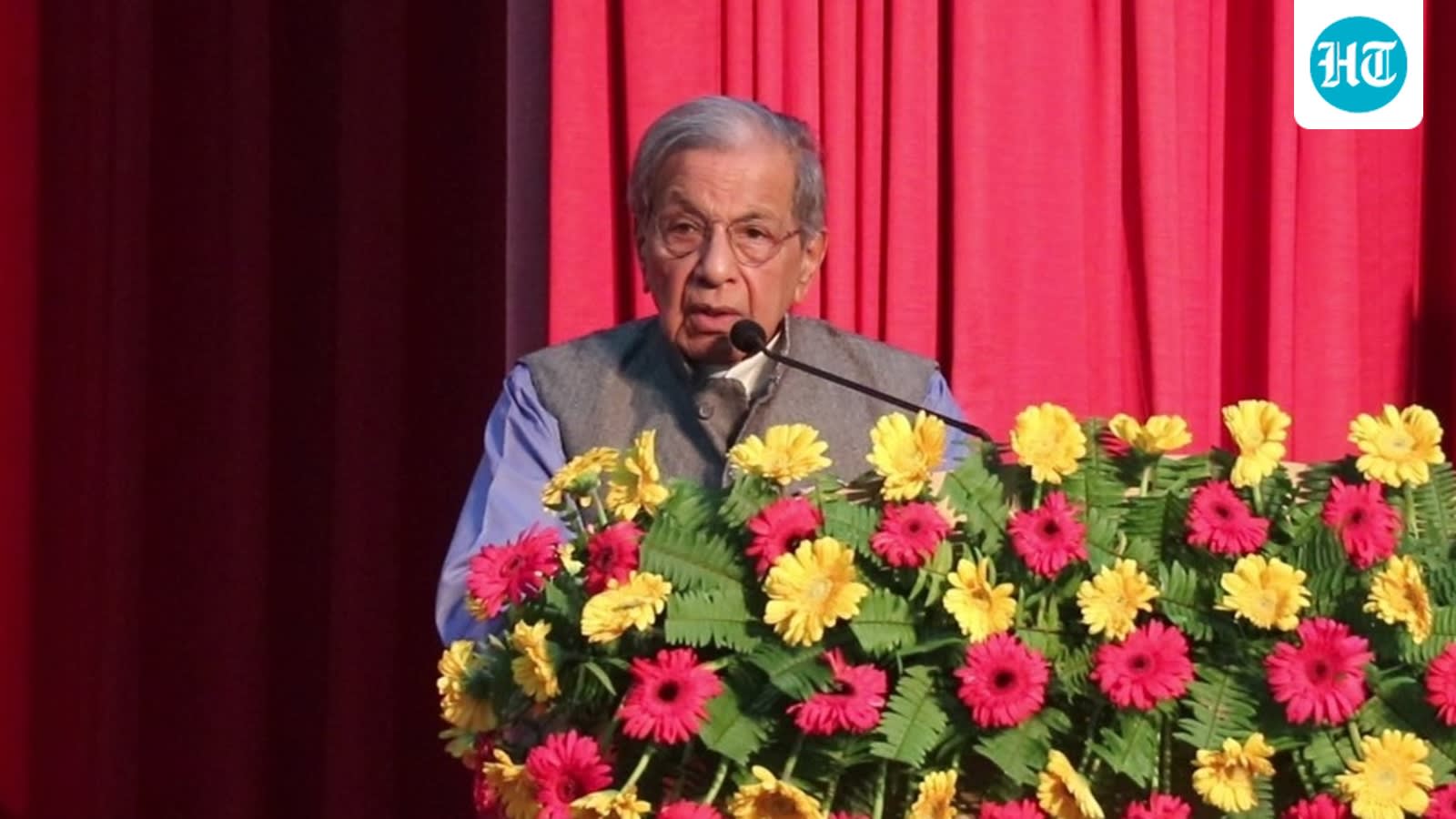
NK Singh, chairman of the Fifteenth Finance Commission, has called for a new economic compact between the Centre and states to achieve 'Viksit Bharat'. He emphasized that robust infrastructure spending, private investment, and cooperative federalism are essential pillars for India's economic future.
The Path to Viksit Bharat: A New Economic Compact
Fifteenth Finance Commission chairman NK Singh has articulated a comprehensive vision for India’s economic trajectory, identifying the realization of a 'Viksit Bharat' (Developed India) as a multifaceted challenge. Speaking at a conference of state finance ministers and secretaries, Singh emphasized that the transition to a developed economy requires more than just standard policy adjustments; it necessitates a fundamental recalibration of the fiscal relationship between the Union and the states.
The Pillars of Economic Strategy
According to Singh, the roadmap for India's development is anchored in four critical pillars: sustained expenditure on physical and social infrastructure, the mobilization of higher domestic savings, the stimulation of robust private investment, and the maintenance of prudent state finances. These elements are designed to create a virtuous cycle of growth that sustains India's current status as the fastest-growing large economy, recently highlighted by a 7.8% GDP growth rate.
Redefining Cooperative Federalism
At the heart of Singh’s proposal is the call for a 'new Centre-state economic compact.' This framework seeks to move beyond traditional fiscal transfers by fostering a competitive yet collaborative environment where states are incentivized to pursue specific development goals. By sharing policy experiences and best practices, states can act as laboratories for innovation, effectively scaling localized successes to a national level.
Strengthening State Finances
Fiscal prudence remains a cornerstone of Singh’s analysis. As India aims for higher growth, the burden of financing cannot rest solely on the Centre. States are encouraged to manage their finances with greater discipline, ensuring that revenue generation and expenditure patterns support long-term capital formation rather than just short-term consumption. This balance is vital to maintaining the macroeconomic stability required to attract long-term private capital.
Implications for Private Sector Growth
Singh’s emphasis on private investment acknowledges that government spending alone cannot bridge the infrastructure gap required for a developed nation. By creating a predictable and enabling policy environment through cooperative federalism, the government aims to de-risk investments, thereby encouraging the private sector to play a more proactive role in nation-building and technological advancement.
Conclusion: A Collective Vision
The vision presented by the Fifteenth Finance Commission chairman underscores that the 'Viksit Bharat' goal is a shared responsibility. By integrating fiscal prudence with a collaborative governance model, India intends to build a resilient economic framework capable of sustaining its growth trajectory. The success of this strategy will ultimately depend on the ability of the Centre and states to align their objectives and execute the proposed economic compact with collective resolve.
Verification Required?