Tata Sons listing could impact group's social-development model: Noel Tata pushes for reorganisation
Source Entity
Latest News: Todays Latest News Headlines from India & World | Hindustan Times | Hindustan Times
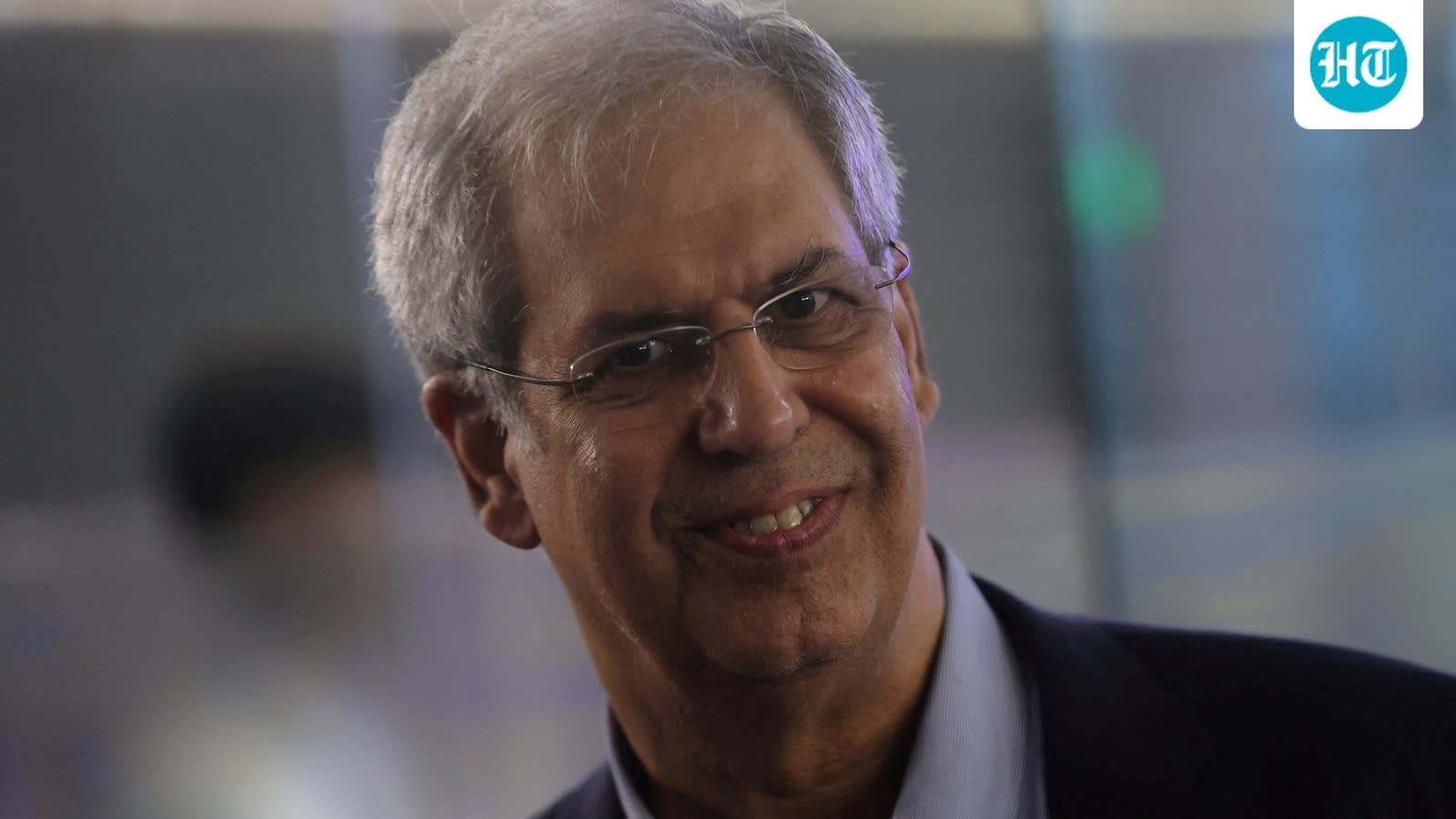
Tata Trusts Chairman Noel Tata is advocating against a public listing of Tata Sons, citing risks to the group's philanthropic mission. He is currently navigating regulatory hurdles with the RBI and internal board pressures to maintain the firm's private status.
The Strategic Dilemma of Tata Sons
The Tata Group, a conglomerate synonymous with Indian industrial history and deep-rooted philanthropy, finds itself at a critical juncture. Noel Tata, the newly appointed Chairman of Tata Trusts, has signaled a firm stance against the public listing of Tata Sons. This decision is not merely a preference for privacy but a calculated effort to safeguard the unique social-development model that has defined the group for over a century. By keeping the holding company unlisted, the leadership aims to insulate the group’s long-term investment strategy from the volatility of quarterly market expectations.
The Tension Between Profit and Philanthropy
At the heart of the debate is the fundamental difference between a public entity and a private trust-owned structure. Noel Tata has articulated a valid concern: public markets demand consistent, short-term financial performance to satisfy shareholders. Conversely, the Tata model relies on the ability to deploy capital toward long-term social impact, which often does not align with the immediate gratification required by public equity investors. The fear is that the 'quarterly pressure' of a listed company would inevitably erode the resources currently earmarked for the group's extensive philanthropic endeavors.
Regulatory Hurdles and the RBI
The path forward is complicated by the Reserve Bank of India (RBI) and its strict regulatory framework. Tata Sons is currently classified in a way that necessitates a public listing under specific guidelines, a mandate the group is actively seeking to circumvent through corporate reorganization. While Noel Tata asserts that the proposed restructuring complies with existing RBI guidelines, the regulator has historically been firm, having rejected previous appeals to ease these constraints. The success of this initiative hinges on the group's ability to negotiate a compromise that satisfies regulatory compliance without triggering a mandatory IPO.
Internal Pressures and Board Dynamics
Beyond regulatory scrutiny, Noel Tata faces a complex internal environment. Maintaining the private status of Tata Sons requires a unified front, yet the board faces potential dissent. The influence of the Shapoorji Pallonji Group, which has historically held significant stakes and differing views on the group’s corporate governance, adds a layer of instability. Any movement toward merger or reorganization will be heavily scrutinized, and the ability of the leadership to maintain consensus among stakeholders will be the ultimate test of Noel Tata’s negotiation capabilities.
Future Implications for the Conglomerate
Should the Tata Group succeed in avoiding an IPO, it would set a significant precedent for how large, family-led conglomerates manage the balance between modern regulatory demands and legacy foundations. However, if the RBI forces the listing, the group may be compelled to fundamentally alter its governance structure. This could lead to a shift in the group’s capital allocation, potentially prioritizing shareholder dividends over the legacy social-development projects that currently distinguish the Tata brand in the Indian landscape.
Verification Required?