SC refuses interim stay on MDR for UPI transactions, asks Centre to explain decision
Source Entity
AADRITA HALDER
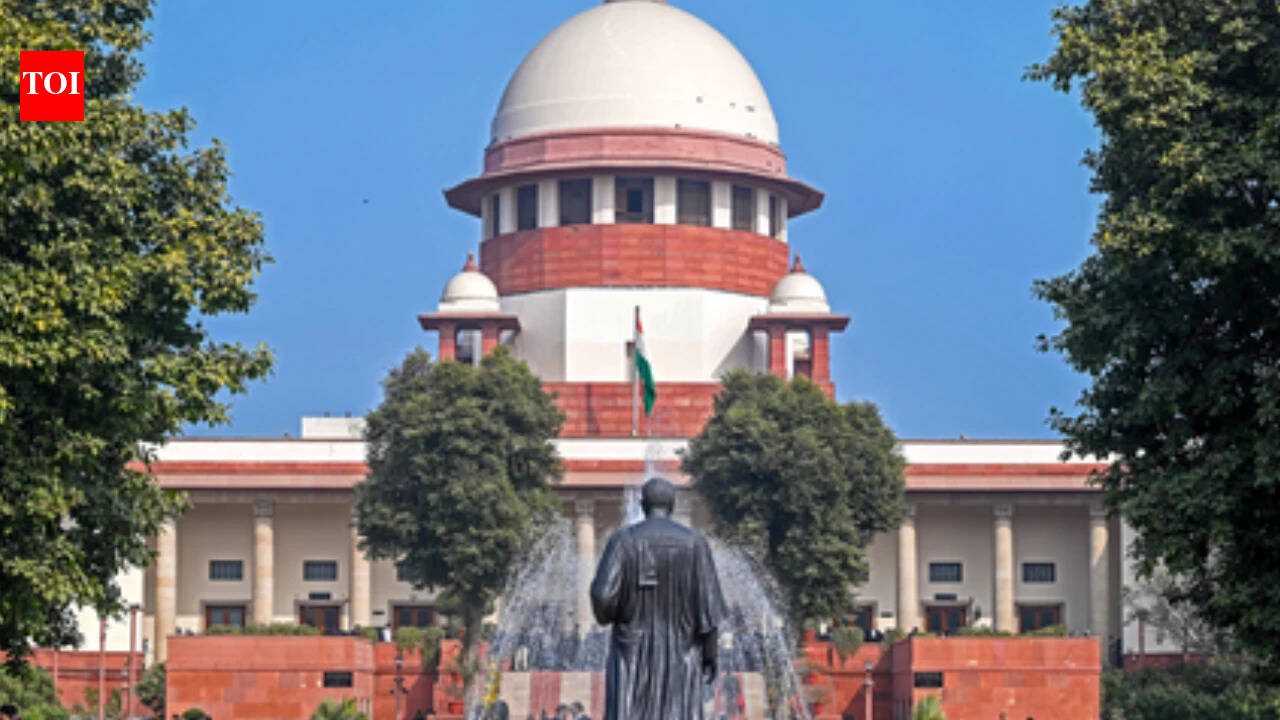
The Supreme Court has declined to stay the government's 0.4% MDR charge on UPI merchant transactions over ₹2,000. Justices have questioned the legal classification of this fee, prompting a formal inquiry into its justification.
The Legal Challenge to UPI Merchant Charges
The Supreme Court of India, led by Chief Justice Surya Kant, recently addressed a significant legal challenge regarding the government's decision to implement a 0.4% Merchant Discount Rate (MDR) on Unified Payments Interface (UPI) person-to-merchant (P2M) transactions exceeding ₹2,000. While the bench refused to grant an interim stay on the implementation, the proceedings underscored deep judicial skepticism regarding the nature of this financial levy.
Defining the Levy: Tax, Fee, or Expropriation?
During the hearing, Justice Joymalya Bagchi posed a critical question to the Additional Solicitor General: if the 0.4% charge is neither a tax nor a fee, how does the government justify the move? The court’s use of the term “expropriation” highlights the constitutional complexities of imposing mandatory charges on digital transactions. This inquiry strikes at the heart of the regulatory framework governing India’s digital payment ecosystem, which has historically been promoted as a zero-cost medium for both consumers and small merchants.
Contextualizing the MDR Framework
Introduced by the National Payments Corporation of India (NPCI) with an effective date of October 15, the MDR is intended to compensate the entities facilitating digital transactions, including banks, payment service providers, and third-party applications. By setting a threshold of ₹2,000, the government aims to balance the sustainability of the payment infrastructure with the goal of widespread digital adoption. However, the Finance Ministry has simultaneously maintained that UPI application providers are strictly prohibited from imposing additional platform fees or hidden charges on users, attempting to insulate the customer from this cost.
Broader Economic Implications
The shift from a zero-MDR environment to one where merchants pay a percentage on higher-value transactions marks a pivotal moment for the UPI ecosystem. Since its inception, UPI has been lauded for its accessibility and low cost, which served as the primary catalyst for its massive adoption across India’s retail sector. Reintroducing a fee structure raises concerns about potential friction in the digital payment journey and whether merchants might pass these costs onto consumers, despite regulatory prohibitions against hidden charges.
Judicial Oversight and Future Trends
By issuing a notice to the Union of India and demanding counter-affidavits within four weeks, the Supreme Court has signaled that the government must provide a robust legal and economic justification for the MDR. This case will likely set a precedent for how the state regulates digital payment infrastructure. If the court finds the charge lacks a clear service-based mandate, it could force a re-evaluation of how India finances its digital public infrastructure (DPI) and whether the burden should fall on private enterprises, merchants, or the state.
Conclusion
As the legal battle progresses, the focus remains on the transparency and legality of the government’s fiscal policy regarding UPI. The Supreme Court's intervention serves as a vital check on the executive branch, ensuring that the rapid digitization of India's economy is supported by a fair, transparent, and legally sound financial framework. The outcome of the upcoming government response will be critical in determining the future cost structure of digital commerce in the country.
Multiple Citing Sources