‘People came drunk’: Noida woman says she walked out of Mirzapur screening due to 'bad crowd', slams theatre management
Source Entity
Latest News: Todays Latest News Headlines from India & World | Hindustan Times | Hindustan Times
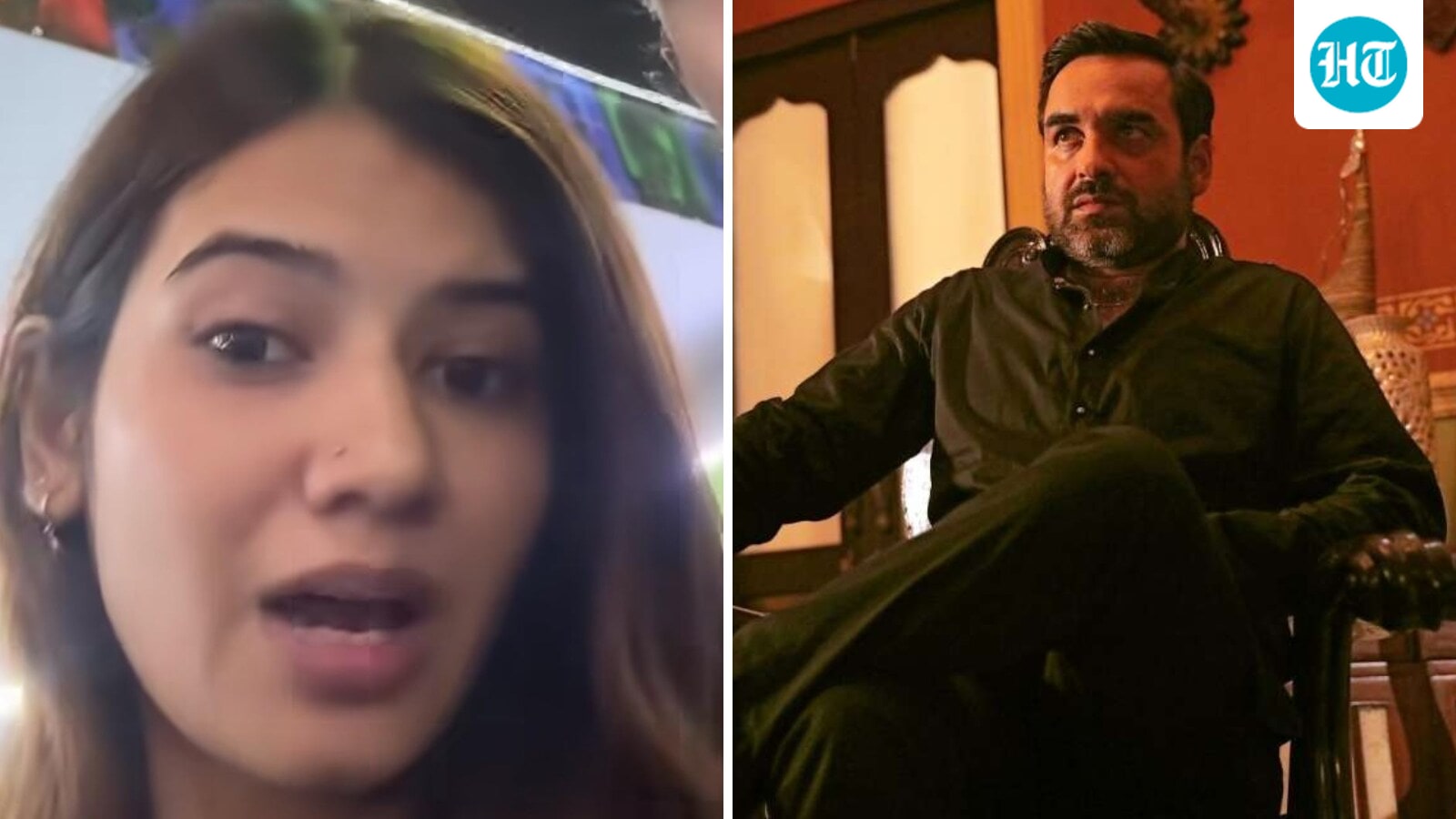
A Noida-based content creator reported a negative experience at a screening of Mirzapur: The Movie, citing an unruly, intoxicated crowd. She expressed strong dissatisfaction with the theater's management for failing to maintain order during the film.
The Intersection of Fan Culture and Cinema Etiquette
The recent incident involving a Noida-based content creator who walked out of a screening of Mirzapur: The Movie highlights a growing tension within the Indian theatrical experience. As popular streaming franchises transition to the big screen, the atmosphere inside cinema halls has become increasingly polarized. The creator's report of a 'bad crowd' and attendees behaving in an intoxicated manner suggests that the high-octane, gritty nature of the Mirzapur brand may be attracting audiences who prioritize boisterous participation over traditional viewing norms.
The Impact of 'Event Cinema' on Theater Management
This event underscores the challenges faced by multiplex management in maintaining order during screenings of cult-favorite content. When a franchise with a massive, dedicated following moves from digital platforms to theaters, the expectations for audience behavior often shift. Theater staff are tasked with balancing the enthusiasm of the fanbase with the necessity of providing a safe and comfortable environment for all patrons. The failure to curb disruptive behavior—such as the presence of intoxicated individuals—raises significant questions about security protocols and the enforcement of cinema house rules.
The Role of Social Media in Consumer Accountability
In the digital age, individual content creators serve as vital watchdogs for the consumer experience. By documenting her experience and criticizing the management, the Noida-based creator has turned a personal grievance into a broader conversation about service standards. This form of public accountability is increasingly common, forcing cinema chains to address lapses in their operations. When influencers share these experiences, it directly affects the brand image of the theater chain, potentially influencing future ticket sales and corporate policy.
Broadening the Scope: Safety and Environment
Beyond the specific frustration of one viewer, this incident touches upon the broader issue of safety in public spaces. The consumption of alcohol or unruly behavior in a confined, darkened environment like a movie theater creates a hostile setting for families and casual viewers. The Mirzapur franchise, known for its intense themes and violent narrative, naturally draws a specific demographic, but the management's inability to mitigate external disruptions suggests a systemic failure in crowd control procedures that theaters must address to remain viable public venues.
Future Trends in Cinematic Consumption
As streaming giants continue to experiment with theatrical releases for their most popular series, the industry must evolve its management strategies. This includes stricter security checks, better lighting, and proactive intervention by floor staff. If theaters fail to manage the 'vibe' of their screenings, they risk alienating a large segment of the audience that prefers a controlled and respectful environment. The future of the theatrical experience relies on balancing the excitement of the content with the safety and comfort of the public.
Conclusion
The criticism directed at the theater management regarding the Mirzapur screening is a reflection of the evolving demands placed on cinema operators. It is no longer enough to simply screen a film; theaters must actively manage the culture of their halls to ensure that the viewing experience remains accessible to everyone. This incident serves as a reminder that as content becomes more immersive and cult-driven, the responsibility of the venue to maintain decorum becomes more critical than ever.
Verification Required?