"Match Begins Tomorrow": Intercepted Messages Warned Of Imminent 9/11 Attack
Source Entity
NDTV News Search Records Found 1000
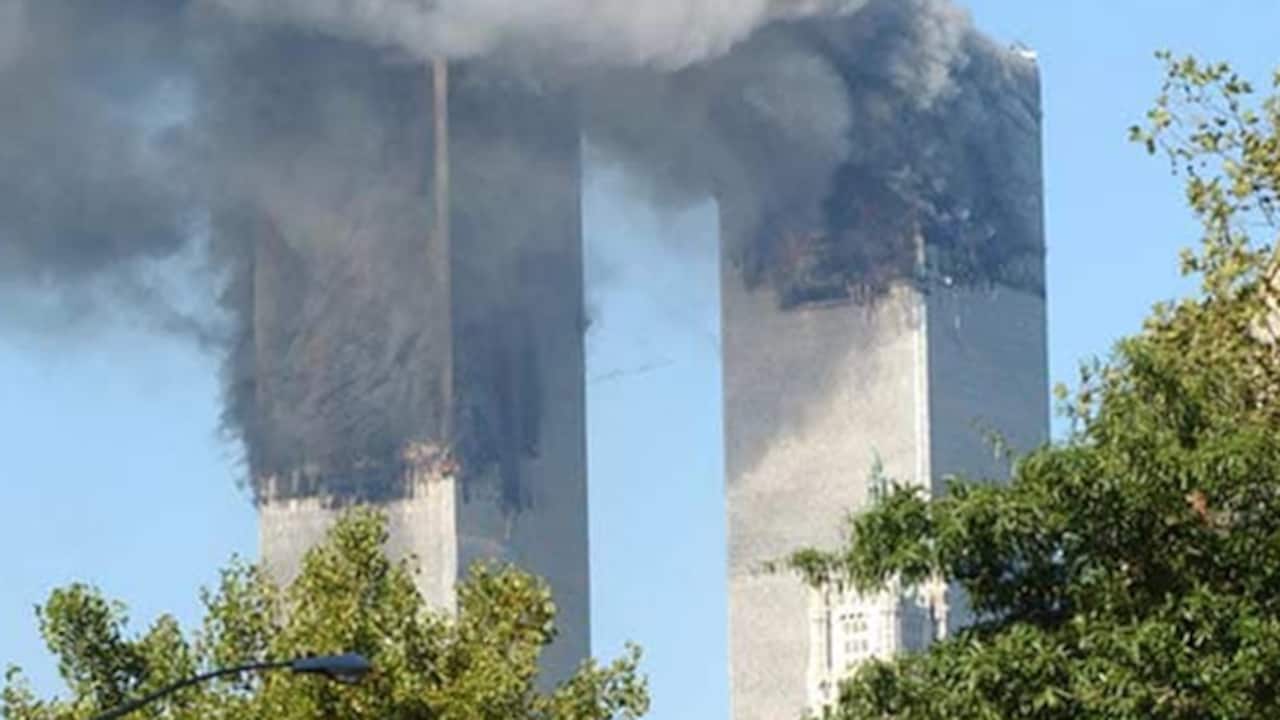
Newly highlighted NSA intercepts from September 2001 reveal that intelligence agencies captured warnings of the 9/11 attacks just days before they occurred. These messages, which included the phrase 'Match begins tomorrow,' underscore the historical intelligence failures surrounding the tragedy.
The Intelligence Gaps of September 2001
The revelation that the National Security Agency (NSA) intercepted communications hinting at imminent terror attacks just days before September 11, 2001, serves as a sobering reminder of the structural and analytical limitations within the American intelligence community at the dawn of the 21st century. The specific intercepted message, 'Match begins tomorrow,' stands as a haunting piece of evidence that the threat was not entirely invisible, yet the inability to translate this signal into actionable prevention remains a central point of historical contention.
The Failure of Synthesis
At the time, the primary obstacle was not necessarily a lack of data, but a failure of synthesis. While intelligence agencies possessed fragments of information—such as the vague warnings intercepted by the NSA—these pieces were often siloed within specific departments. The bureaucratic landscape of 2001 was characterized by a lack of inter-agency cooperation, which meant that a warning intercepted by the NSA might not have reached the desks of those capable of connecting it to immigration records or airline security protocols.
Contextualizing the 'Match' Warning
When we analyze the 'Match begins tomorrow' intercept, it is essential to understand the geopolitical climate of the era. Al-Qaeda had been escalating its rhetoric against Western interests throughout the late 1990s, including the 1998 embassy bombings and the 2000 attack on the USS Cole. Despite these markers, the intelligence apparatus was largely optimized for state-on-state threats rather than the asymmetric, decentralized nature of global terrorism that defined the early 2000s.
Broader Implications for National Security
This incident catalyzed a massive overhaul of the United States intelligence community. The subsequent creation of the Department of Homeland Security and the Office of the Director of National Intelligence was a direct response to the 'connect-the-dots' failure exemplified by the pre-9/11 intercepts. The goal was to ensure that intelligence was no longer held in silos, but shared across a unified framework to prevent similar oversights in the future.
Historical Legacy and Future Trends
Looking back, the 9/11 intercepts emphasize the difficulty of 'signal-to-noise' ratios in modern signals intelligence (SIGINT). As we move further into the digital age, the volume of data has increased exponentially, making the task of identifying a specific, actionable warning even more difficult. The lesson from 2001 is that technology is only as effective as the human analysis applied to it; without robust, cross-functional collaboration, even the most accurate warnings can be lost in the vast digital ether of global communications.
Verification Required?