NSCN-IM using Naga-Kuki tensions to divert attention, say Kuki-Zo insurgent groups
Source Entity
India Latest News: Top National Headlines Today & Breaking News | The Hindu
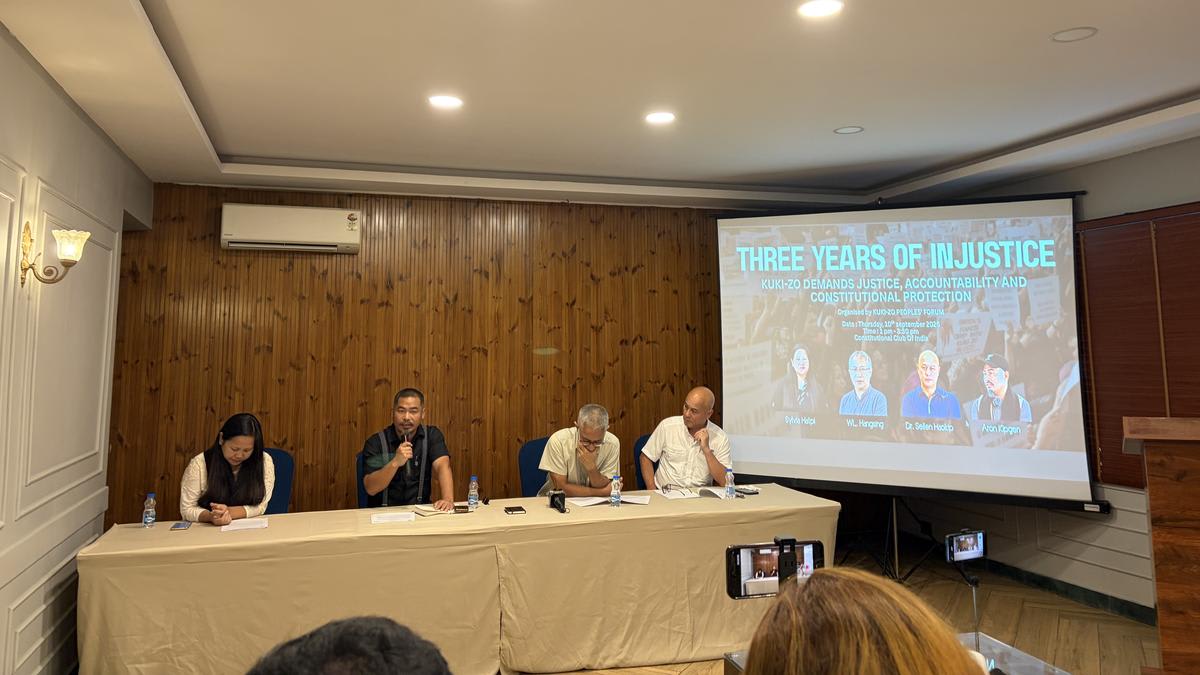
Kuki-Zo insurgent groups allege that the NSCN-IM is exploiting ethnic tensions in Manipur to manufacture a broader Naga-Kuki conflict. This strategy is reportedly aimed at reviving the group's influence amidst the ongoing unrest.
The Geopolitical Strategy Behind Manipur's Escalating Unrest
Recent allegations from the Kuki National Organisation (KNO) have cast a sharp light on the shifting dynamics of the ethnic violence in Manipur. According to spokesperson Seilen Haokip, the ongoing instability, which has plagued the region since May 2023, is being manipulated by external actors. Specifically, the KNO claims that elements associated with the National Socialist Council of Nagaland (Isak-Muivah) are attempting to reframe the conflict, shifting the narrative away from the initial Meitei-Kuki tensions to involve the Naga community, thereby creating a broader, more volatile confrontation.
The Historical Context of Conflict Zones
The conflict in Manipur has historically been characterized by complex, overlapping ethnic grievances. While the initial outbreak of violence on May 3, 2023, was defined by the friction between the Meitei and Kuki communities, the situation reached a new inflection point on February 7, 2026, when hostilities expanded to include segments of the Naga and Kuki populations. This expansion is viewed by observers as a dangerous escalation that threatens to destabilize the fragile peace agreements currently in place.
Motivations Behind the Narrative Shift
The KNO suggests that the deliberate attempt to draw the Naga and Kuki communities into direct conflict is not organic but a calculated move by the NSCN-IM. By manufacturing a narrative of a "Naga-Kuki conflict," the NSCN-IM aims to divert public and state attention from other regional issues while simultaneously seeking to revive its own waning support base. This tactic reflects a classic strategy of exploiting local grievances to bolster the relevance of insurgent organizations during periods of political uncertainty.
Implications for Peace Agreements
Central to this issue is the status of the Kuki insurgent groups, such as the KNO, which are currently operating under a Suspension of Operations (SoO) pact with the Union Ministry of Home Affairs. The introduction of the NSCN-IM into this volatile mix complicates the peace process significantly. If the NSCN-IM successfully broadens the scope of the violence, it could undermine the SoO agreements and force the government into a more difficult position regarding security management in the Northeast.
Future Trends and Regional Stability
Looking ahead, the stability of Manipur depends on the state and central government's ability to distinguish between local ethnic disputes and the machinations of external insurgent groups. If the narrative of a "Naga-Kuki conflict" gains further traction, the risk of a regional spillover increases, potentially drawing in more stakeholders and making a peaceful resolution exponentially harder to achieve. Ensuring that the existing peace processes are protected from such external manipulation remains the most critical challenge for security forces in the coming months.
Verification Required?