Nvidia is bolstering support for Chinese open AI models as it warns of White House crackdown
Source Entity
US Top News and Analysis
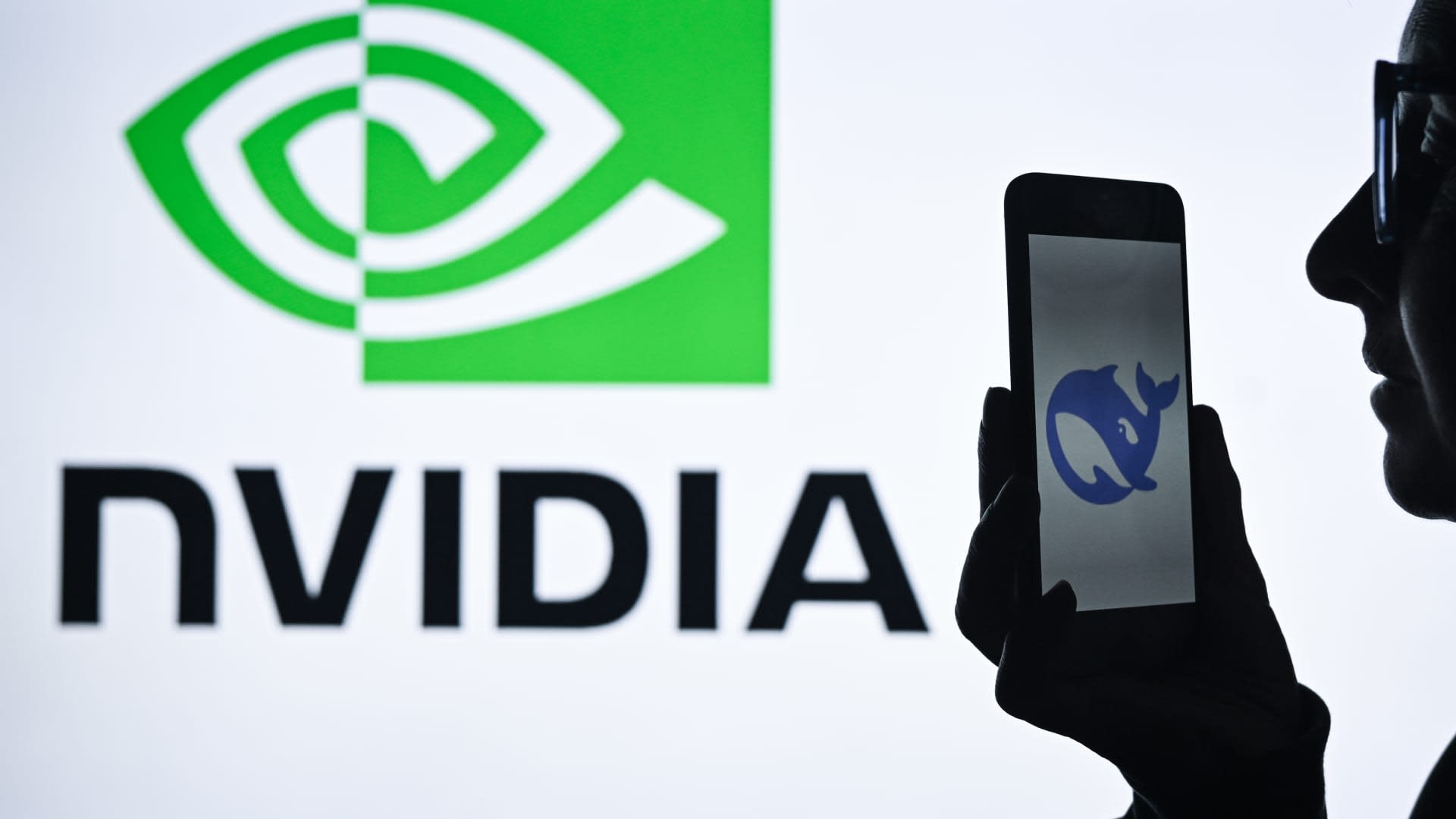
Nvidia is optimizing its hardware for Chinese AI models like DeepSeek and Qwen to maintain market share. Simultaneously, the company has warned investors that potential U.S. government restrictions on these models pose significant business risks.
Nvidia’s Strategic Pivot: Balancing Chinese Market Integration and U.S. Regulatory Risk
Navigating a Complex Geopolitical Landscape
Nvidia, the undisputed leader in the AI hardware sector, has recently initiated a strategic effort to bolster support for Chinese artificial intelligence models, specifically DeepSeek’s V4 Flash and Alibaba’s Qwen 3.8. By optimizing its high-performance hardware for these specific architectures, Nvidia is attempting to secure its foothold in a competitive landscape where domestic Chinese chipmakers are eager to capture market share. This move underscores the company's commitment to maintaining relevance in the global AI ecosystem, even as the intersection of technology and geopolitics becomes increasingly fraught.
The Competitive Imperative in AI Development
The decision to prioritize optimizations for Chinese models is a calculated response to the rapid advancement of these systems throughout 2026. As Chinese AI models demonstrate significant leaps in capability, they are becoming increasingly attractive to global developers and enterprises. Nvidia's proactive stance aims to ensure that its hardware remains the preferred platform for running these models, thereby preventing a migration toward indigenous Chinese silicon alternatives that might otherwise gain traction if Nvidia’s support were absent.
Regulatory Headwinds and Investor Warnings
Despite the clear technical benefits of this integration, Nvidia is acutely aware of the regulatory pressures mounting in Washington. In a recent SEC filing accompanying its second-quarter earnings, the company explicitly warned shareholders that potential White House restrictions on AI models originating in China could have a material impact on its future business operations. This disclosure reflects the precarious position of multinational tech firms that must navigate the divergent interests of the world’s two largest economies.
Concerns Among U.S. Lawmakers
The initiative comes amid growing unease within the U.S. legislative branch regarding the adoption of Chinese-developed AI by American corporations. Policymakers are increasingly viewing the proliferation of these models as a potential national security concern, fearing that reliance on foreign AI systems could expose U.S. data or infrastructure to unintended vulnerabilities. Nvidia finds itself at the center of this debate, attempting to provide the best possible performance for its users while simultaneously managing the reputational and legal risks associated with these geopolitical tensions.
Future Implications and Market Outlook
Looking ahead, the tension between technological cooperation and national security will likely dictate the trajectory of the AI industry. If the White House moves forward with formal restrictions on Chinese-originated models, Nvidia may be forced to recalibrate its product roadmap or face potential revenue losses. The company’s ability to balance these conflicting demands will be a critical indicator of its long-term stability. Investors and industry analysts should closely monitor how Nvidia manages this regulatory tightrope, as the outcome will set a precedent for how global technology giants operate in an era of digital protectionism.