Mamdani shares update on 'house tax' that reportedly made Google founder exit city
Source Entity
TOI TECH DESK
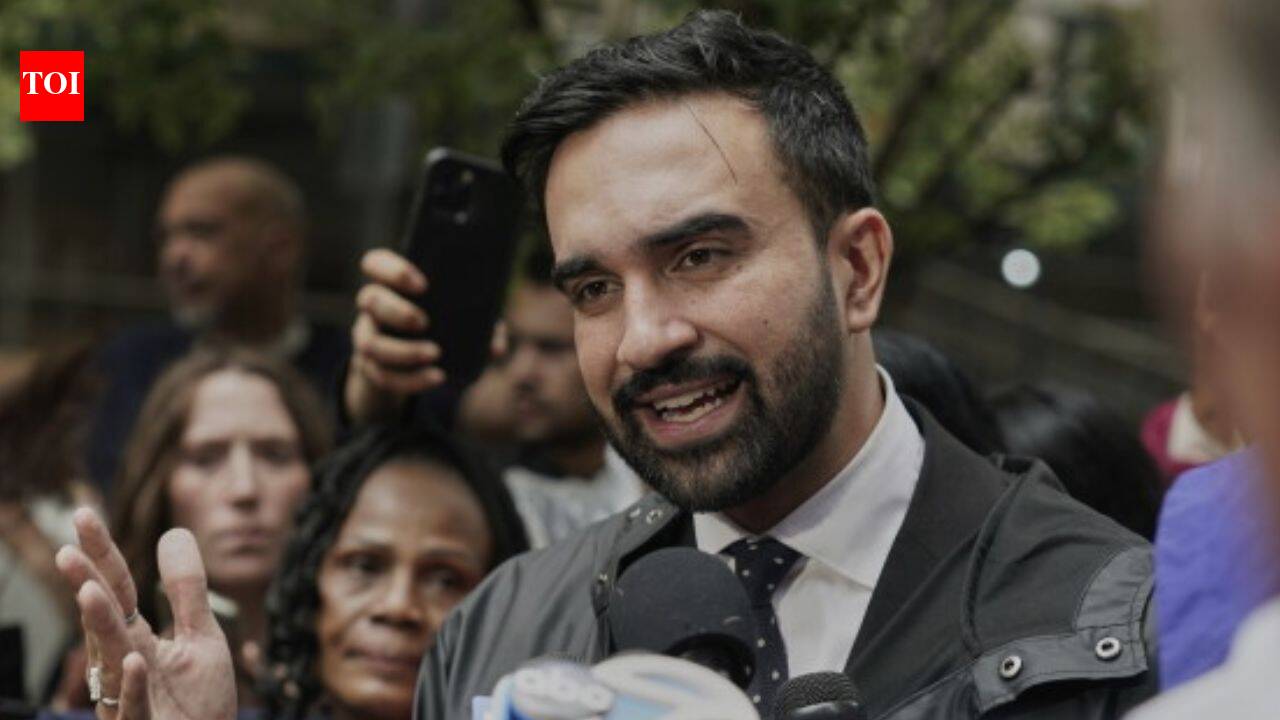
New York City has successfully billed over $500 million through a pied-à-terre tax targeting luxury secondary residences. This policy, championed by Mayor Zohran Mamdani, has drawn significant attention due to its impact on ultra-wealthy residents like Sergey Brin and Jeff Bezos.
The Financial Impact of NYC's Pied-à-Terre Tax
New York City has reached a significant fiscal milestone with its implementation of a targeted 'pied-à-terre' tax, a policy designed to extract greater tax revenue from luxury secondary residences. According to recent updates provided by Mayor Zohran Mamdani, the city has successfully billed over $500 million to wealthy homeowners who maintain properties in the city that do not serve as their primary residences. This initiative marks a pivot in urban fiscal policy, shifting the burden toward high-net-worth individuals who utilize the city's infrastructure and real estate market without contributing to the local tax base through a permanent, primary residency.
Defining the Scope of the Surcharge
The tax specifically targets properties valued at over $5 million that are classified as secondary homes. By isolating this specific segment of the luxury real estate market, the city aims to mitigate the effects of speculative investment and empty luxury units that have historically contributed to skyrocketing property values. This policy is not merely a revenue-generating tool; it is a regulatory mechanism intended to ensure that the ultra-wealthy, who often maintain homes in multiple global hubs, pay a premium for the privilege of holding significant real estate assets within New York City limits.
High-Profile Departures and Public Scrutiny
The policy has garnered significant public attention due to the high-profile individuals it affects, including Google founder Sergey Brin and Amazon's Jeff Bezos. Reports suggesting that such taxation measures have prompted individuals like Brin to exit the city underscore the friction between progressive fiscal policy and the mobility of the global elite. When billionaire residents choose to relocate their primary interests or assets away from a city due to tax burdens, it raises critical questions about the long-term sustainability of wealth-focused taxation in highly competitive global markets.
Urban Policy and Economic Implications
From a macroeconomic perspective, the success of this tax in generating $500 million provides the city with substantial capital for public services. However, the broader implications involve a delicate balancing act. While the city benefits from the immediate influx of funds, the potential for 'capital flight'—whereby the wealthiest individuals move their legal residences to jurisdictions with more favorable tax codes—remains a constant risk. Policy analysts are closely watching how this trend evolves, as it sets a precedent for other major metropolitan areas considering similar wealth-targeting strategies.
Future Trends and Conclusion
As Mayor Mamdani continues to advocate for this model, the future of urban taxation in New York appears increasingly focused on the intersection of luxury real estate and social equity. If the city can maintain its status as a global hub while effectively taxing the upper echelon of its property owners, it may serve as a template for other major cities globally. Conversely, if high-profile exits continue, the city may be forced to evaluate the elasticity of its tax base. Ultimately, the pied-à-terre tax is a bold experiment in modern municipal governance, testing the limits of fiscal policy in an era of extreme wealth concentration.