World facing fuel shortage, cut deep fried foods: Odisha diktat to colleges
Source Entity
Sujit Bisoyi
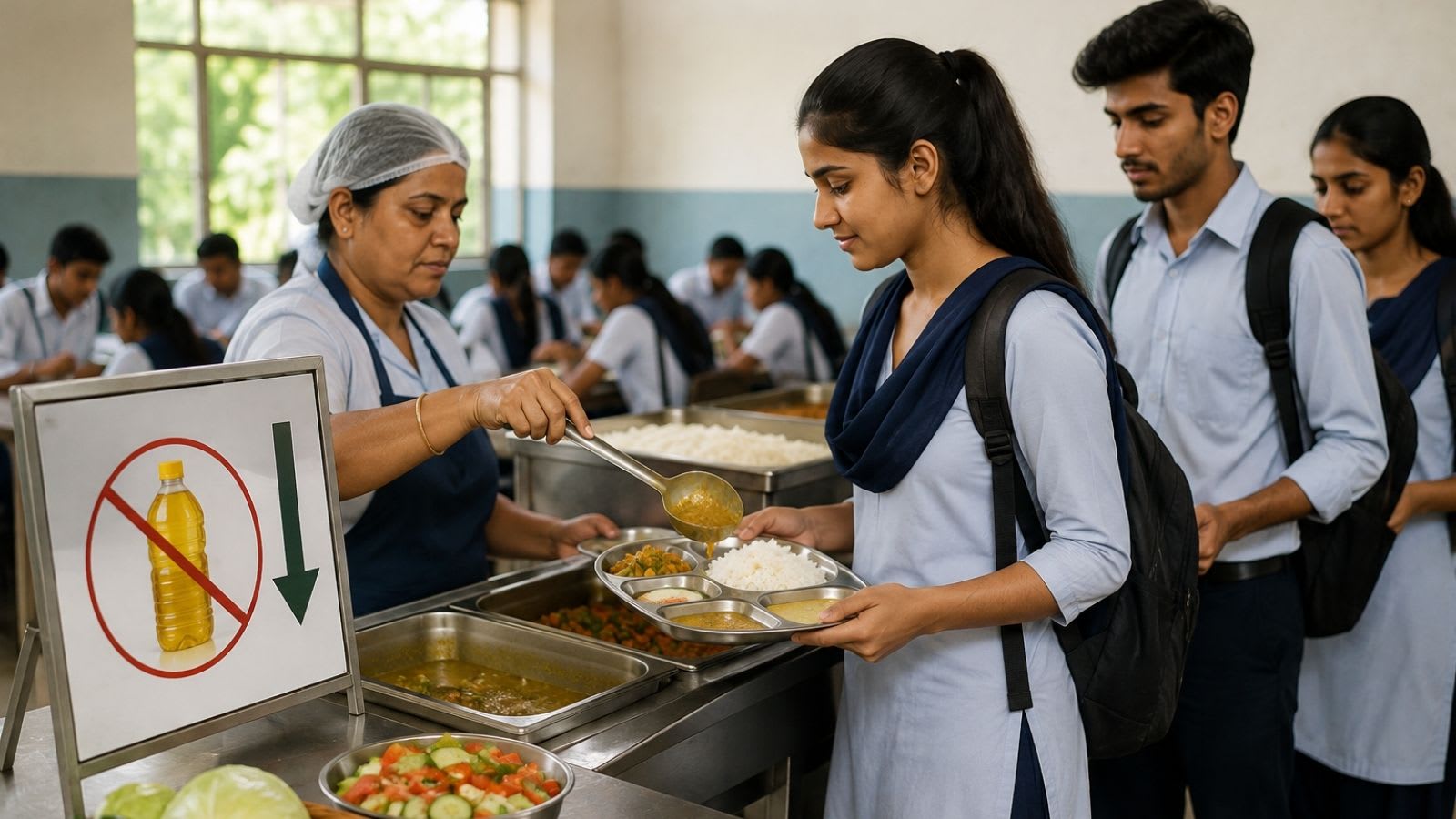
The Odisha government has directed colleges to reduce deep-fried food consumption in hostels and canteens. This initiative aims to address global fuel shortages while simultaneously promoting healthier dietary habits among students.
Odisha's Strategic Shift: Addressing Global Economic Pressures through Dietary Reform
The Odisha state government has initiated a significant directive aimed at all government and government-aided colleges, mandating a reduction in the use of cooking oil within campus canteens and hostels. This policy, issued by the higher education department, specifically targets the preparation of high-oil menu items such as puris, vadas, and bondas, urging institutions to prioritize nutritional value over deep-frying methods.
The Intersection of Global Economics and Local Policy
At the core of this decision lies the volatility of global commodity markets. The government has explicitly linked this move to the current global fuel and food supply uncertainties. By curbing excessive oil consumption, the state seeks to mitigate the rising economic burden caused by fluctuating costs in the global supply chain, effectively using localized institutional policy to hedge against broader macroeconomic instability.
Promoting Public Health through Institutional Change
Beyond the immediate economic rationale, the move is framed as a long-term strategy for public health. Officials have stated that the directive is intended to foster healthier eating habits among the youth. By moving away from deep-fried, high-oil foods, the government is attempting to influence the dietary patterns of students, potentially reducing the prevalence of lifestyle-related health risks associated with high-fat, processed diets.
Embracing Traditional Culinary Practices
An interesting facet of this directive is the explicit encouragement to revert to traditional cooking mediums. Colleges have been advised to promote the use of ghee, mustard oil, and groundnut oil. This shift not only aligns with traditional Indian culinary practices but may also support local agricultural supply chains, moving away from reliance on imported or highly processed vegetable oils.
Implementation and Future Implications
The success of this initiative will depend heavily on the adaptability of college canteens and the willingness of the student body to embrace these changes. If successful, this model of integrating economic resourcefulness with health-conscious mandates could serve as a blueprint for other states in India facing similar inflationary pressures. The long-term trend suggests that educational institutions may become key centers for promoting sustainable and healthy dietary shifts in response to global environmental and economic changes.