Odisha’s rural work does not have adequate photographic evidence, says a draft audit report
Source Entity
India Latest News: Top National Headlines Today & Breaking News | The Hindu
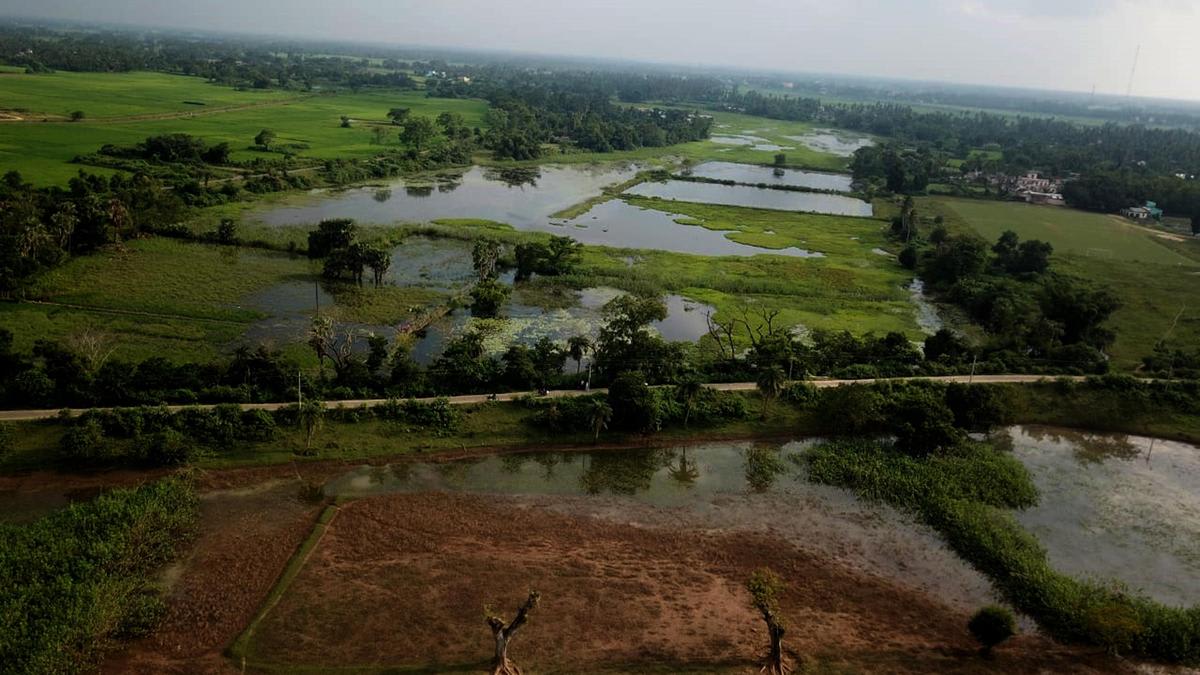
A draft audit report reveals that over 90% of Odisha's rural infrastructure projects lack sufficient photographic evidence. This failure undermines the government's mandate for real-time monitoring and geo-tagging of public works.
Audit Findings Expose Transparency Gaps in Odisha’s Rural Infrastructure
A recent draft audit report titled “Data Led Compliance Audit on Rural Works” has unveiled significant oversight issues within the Odisha Rural Development Department. The findings indicate that the state's infrastructure projects, ranging from roads to water supply systems, have largely failed to adhere to mandatory documentation protocols. Specifically, the audit found that out of 25,038 works analyzed across 12 divisions, over 90% lacked adequate photographic evidence, a critical failure that hampers the government's ability to verify project progress.
The Failure of Real-Time Monitoring Protocols
Since 2013, the department has operated under a clear directive requiring the upload of photographic evidence for all original works, including bridges, buildings, and water supply projects costing over ₹25 lakh. This policy was intended to ensure that the Works and Accounts Management Information System (WAMIS) served as a repository for real-time project status updates. However, the data reveals that 13,083 projects—or 52.25% of the sample—contained no photographic documentation whatsoever, effectively rendering the WAMIS database incomplete and unreliable for administrative oversight.
Geo-tagging Mandates Ignored
Beyond standard photography, the department had mandated the use of geo-tagged photographs in November 2013 to provide verifiable proof of location and execution stage. Geo-tagging is a standard industry practice designed to mitigate risks of project duplication or fraudulent reporting by linking a digital photograph to precise spatial coordinates. The audit's revelation that this mandate was largely ignored suggests a systemic breakdown in compliance, which could potentially mask discrepancies in the actual delivery of rural infrastructure.
Implications for Fiscal Accountability
When a government department responsible for rural development fails to document work completion, the broader implication is a loss of fiscal transparency. Public funds allocated for infrastructure must be accounted for through tangible evidence of physical progress. The absence of documentation makes it nearly impossible for independent auditors or the public to verify whether the funds were utilized effectively or if the projects were completed according to the specified technical standards.
Future Trends and Necessary Reforms
Moving forward, the Odisha Rural Development Department will likely face increased pressure to overhaul its digital compliance mechanisms. To address these findings, the department may need to implement stricter automated triggers within the WAMIS platform that prevent the processing of payment vouchers without accompanying geo-tagged uploads. Strengthening the accountability framework is essential to restoring public trust and ensuring that the state's rural development goals are met with the transparency that taxpayers expect.
Verification Required?