The 2.5-hour AI-generated Odyssey movie is 2.5 hours too long
Source Entity
Andrew Webster
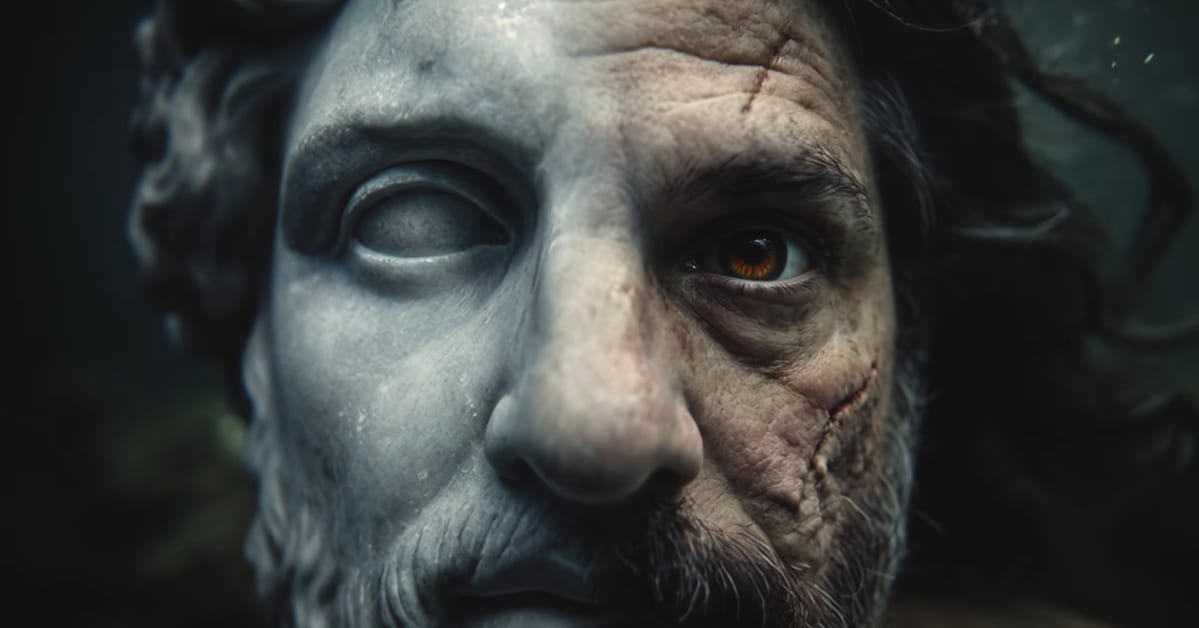
The AI-generated film 'Odysseus: The Fall' has garnered harsh criticism for its poor quality, contrasting sharply with the success of Christopher Nolan's recent adaptation. The project, created by Fountain 0, highlights the current limitations of AI in replicating high-level cinematic storytelling.
The Perils of AI-Generated Cinema: A Case Study in 'Odysseus: The Fall'
The Contrast in Cinematic Approaches
In the current landscape of film, Homer’s The Odyssey has emerged as a focal point of artistic tension. Christopher Nolan’s recent, highly successful adaptation has revitalized public interest in classic literature, demonstrating how traditional directorial vision and high production value can breathe new life into ancient narratives. Conversely, the arrival of Odysseus: The Fall, an entirely AI-generated feature, presents a starkly different outcome. While Nolan’s work captured the complexity of the epic, the AI-driven attempt has been met with severe backlash, raising fundamental questions about the viability of generative technology in narrative filmmaking.
The Technical Architecture of 'Odysseus: The Fall'
Developed by the AI firm Fountain 0, Odysseus: The Fall represents an ambitious, albeit polarizing, experiment. Written, directed, and musically composed by company cofounder Ash Koosha, the film relies heavily on AI to handle virtually every creative aspect of production. Notably, Koosha also utilized his own likeness to portray the lead character. This centralized, synthetic approach to production serves as a departure from the collaborative, human-led processes that define traditional Hollywood blockbusters. The brevity of the film's credits underscores the removal of large-scale human crews, replacing traditional departments with algorithmic processes.
Implications for AI in Hollywood
Odysseus: The Fall is marketed as the first AI-generated film produced at the scale of a Hollywood blockbuster. However, the critical reception suggests a significant gap between the technical capability of AI tools and the nuanced requirements of long-form storytelling. By attempting to automate a two-and-a-half-hour narrative, Fountain 0 has inadvertently highlighted the 'uncanny valley' and pacing issues that continue to plague long-form generative media. This failure serves as a cautionary tale for studios looking to replace human craftsmanship with automated workflows.
A Track Record of Experimental Ambition
Fountain 0 is not entirely new to the film circuit; they previously produced Dreams of Violets, which gained some recognition at the Tribeca Film Festival. That earlier project was a smaller, more focused endeavor. Moving from a niche festival entry to a 2.5-hour epic suggests a rapid scaling of their AI tools that may have outpaced the technology's ability to maintain narrative cohesion or emotional resonance. The discrepancy between the ambition of the project and the quality of the final output is a pivotal moment for the industry’s adoption of generative AI.
Conclusion: The Future of Synthetic Media
The failure of this project does not necessarily signify the end of AI in film, but it does signal a shift in expectations. As audiences become more accustomed to AI-assisted visuals, they are simultaneously becoming more critical of narrative substance. For AI to truly compete with the quality of directors like Christopher Nolan, it must transcend mere automation and demonstrate an understanding of the emotional stakes inherent in the source material. For now, Odysseus: The Fall serves as a stark reminder that technology, no matter how advanced, is only as effective as the creative vision directing it.