Resident Evil is a comedy first and a thrilling nightmare second
Source Entity
Charles Pulliam-Moore
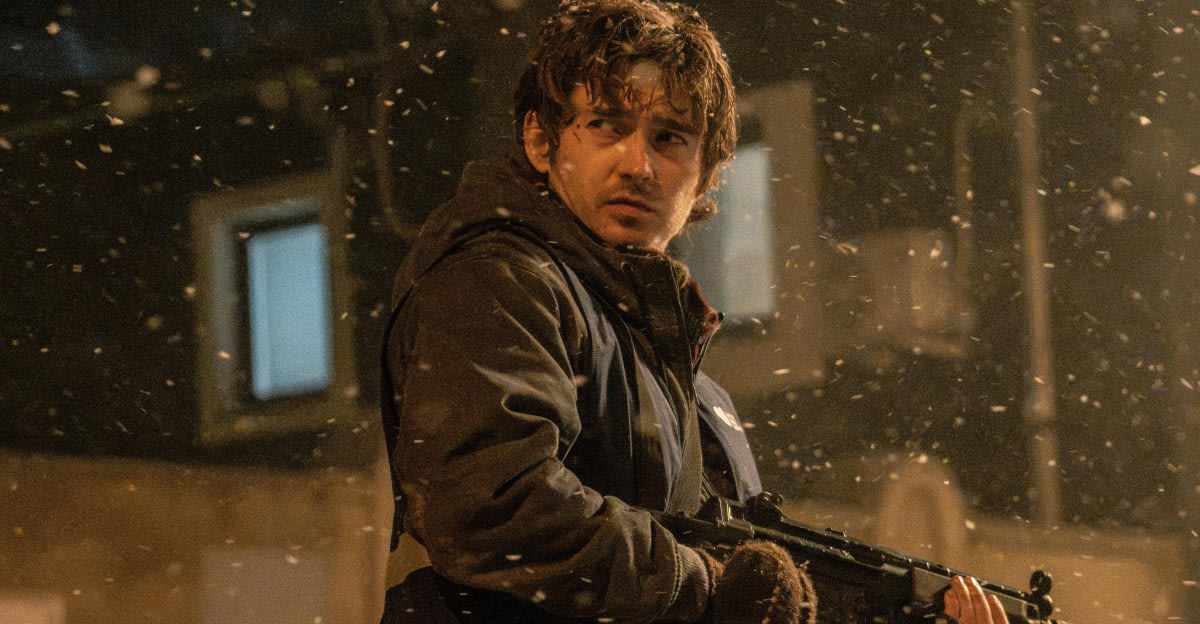
Paul W.S. Anderson's 2002 Resident Evil film challenged the stigma surrounding video game adaptations. Despite historical criticism for deviating from source material, the franchise remains a significant pop culture touchstone as new interpretations emerge.
The Legacy of Paul W.S. Anderson's Resident Evil
When Paul W.S. Anderson’s Resident Evil premiered in 2002, the landscape of video game adaptations was fraught with uncertainty. The film arrived during an era where the genre was primarily viewed as a niche market, struggling to find a balance between commercial viability and critical acclaim. While predecessors like Mortal Kombat and Tomb Raider demonstrated that these projects could draw audiences, the industry was still haunted by the infamous 1993 Super Mario Bros. adaptation, which served as a cautionary tale for studios attempting to bridge the gap between gaming consoles and cinema screens.
Navigating the Adaptation Gap
The fundamental challenge for the 2002 Resident Evil was navigating the expectations of a massive, established fanbase. Capcom’s original survival-horror games were defined by specific atmospheric tension and lore. However, Anderson’s cinematic vision frequently prioritized his own creative direction over strict adherence to the source material. This deviation created a lasting friction between the film’s general audience, who were captivated by the Raccoon City setting, and the hardcore gaming community, who felt the narrative identity of the franchise had been compromised.
Genre Perception and Evolution
Historically, video game movies have occupied an uneasy space in Hollywood, often categorized by their tendency to struggle with narrative depth. The 2002 Resident Evil was a pivotal moment in this evolution, as it dared to lean into a unique stylistic blend of horror and action. By oscillating between a 'thrilling nightmare' and a more comedic, campy tone, the film challenged viewers' perceptions of what a game-to-movie project could achieve, even if it meant alienating purists of the original game series.
The Shifting Landscape of Adaptation
Looking back, the success of the 2002 film helped pave the way for modern adaptations that now enjoy much higher production values and closer creative collaboration with game developers. The 'long shadow' cast by early failures has gradually receded, allowing for a more sophisticated approach to bringing interactive stories to the big screen. The discourse surrounding these films has shifted from merely asking if a game can be adapted, to analyzing how effectively it can capture the tone of the original medium.
Future Trends in Horror Cinema
As the industry moves forward, the influence of the Resident Evil film series continues to be felt. With new creators, such as Zach Cregger, taking interest in the franchise, the legacy of Anderson’s work serves as both a foundation and a counterpoint. The future of this genre likely lies in balancing the inherent 'comedy' or camp appeal of high-concept horror with the grounded, terrifying elements that made the original games a cultural phenomenon. This ongoing evolution suggests that Resident Evil will remain a central pillar in the conversation regarding how we translate digital nightmares into cinematic realities.