Lizzie Borden: The real story behind Netflix’s Monster, explained
Source Entity
Chandrashekar Srinivasan
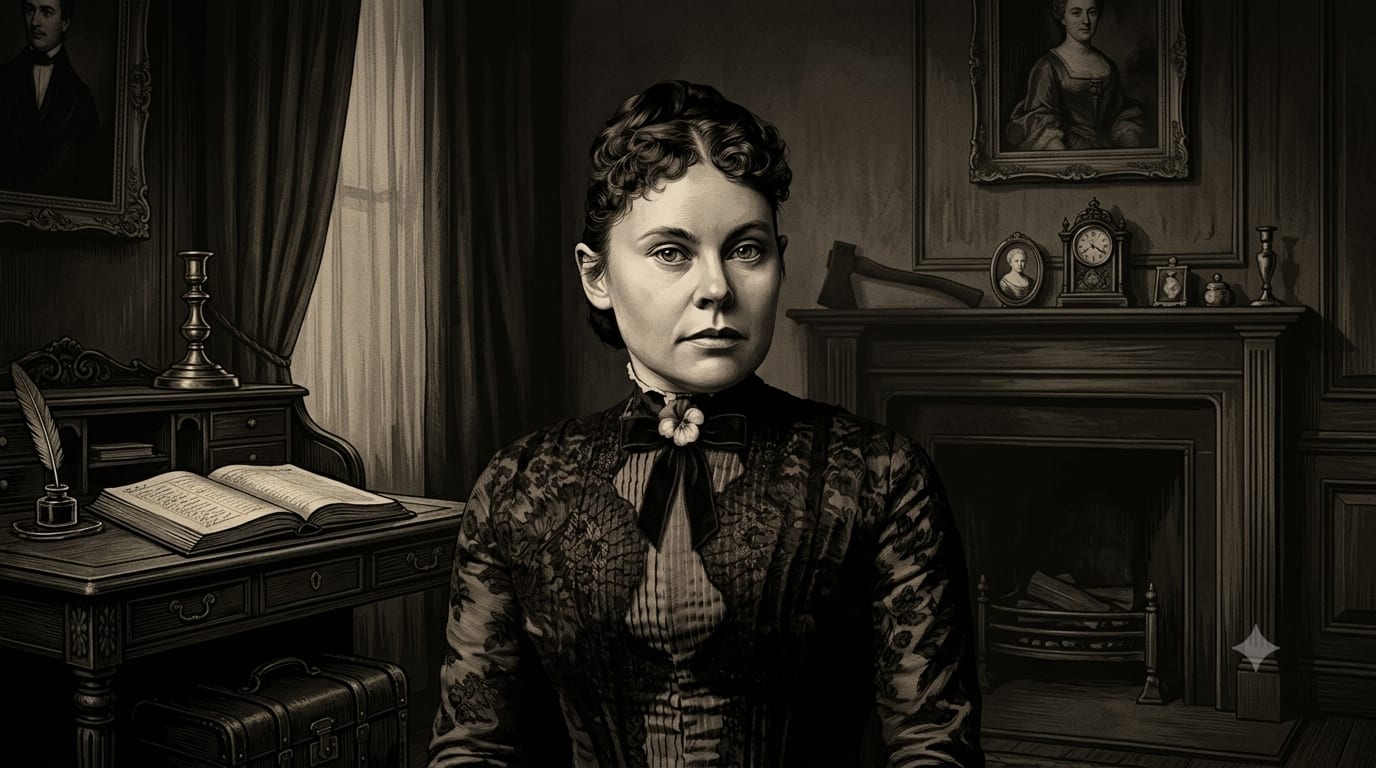
Netflix's 'Monster' series has renewed public interest in the 1892 axe murder case of Andrew and Abby Borden. While Lizzie Borden was the primary suspect, she was legally acquitted of the crimes, leaving the case as one of America's most enduring mysteries.
The Resurgence of the Borden Legend
The enduring fascination with the 1892 murders of Andrew and Abby Borden has once again reached the cultural zeitgeist with the release of the latest season of Netflix’s Monster. This true-crime anthology series delves into the grim events that transpired in Fall River, Massachusetts, on August 4, 1892, a day that remains etched in the annals of American crime history. The show revisits the grizzly details of the morning when Abby Borden was hacked to death in a guest room, followed by the murder of her husband, Andrew, in their living room just over an hour later.
The Legal Verdict and Historical Ambiguity
While the popular nursery rhyme claims Lizzie Borden gave her mother "forty whacks" and her father "forty-one," the historical reality is far more complex. In June 1892, at the age of 32, Lizzie Borden was officially charged with the murders. Despite the prosecution's efforts to piece together the events of that fateful August day, the judicial system ultimately ruled in her favor. Lizzie was acquitted of all charges, leaving the murders of her father and stepmother as one of the most debated unsolved mysteries in American history.
Familial Dynamics in the 19th Century
To understand the context of the crimes, one must look at the household structure of the Borden family. Andrew Borden was a wealthy businessman who had remarried after the death of his first wife. Abby Borden, his second wife, was 64 at the time of her death. Lizzie and her older sister, Emma, were the unmarried daughters from Andrew’s first marriage. This domestic arrangement is often scrutinized by historians and true-crime enthusiasts alike as a potential breeding ground for the tensions that may have culminated in the double homicide.
The Impact of True-Crime Media
Netflix’s decision to feature the Borden case in Monster highlights a broader trend in modern entertainment: the re-examination of historical cold cases through a serialized, dramatic lens. By focusing on the narrative of a young woman accused of such a violent act, the series invites a new generation of viewers to weigh the evidence for themselves. This resurgence in interest often leads to a blend of historical fact-checking and speculative storytelling, which can sometimes blur the lines between established court records and dramatized scenarios.
Broader Implications and Future Trends
As the Monster series continues to influence public perception, it underscores the cultural appetite for exploring the darker side of American heritage. The Borden case remains a touchstone for the true-crime genre because it lacks a definitive resolution, allowing it to be perpetually re-interpreted. Future trends in media will likely continue to lean into these 'unsolved' narratives, as they provide a unique canvas for exploring human psychology, the limitations of 19th-century investigative techniques, and the lasting power of local folklore on national consciousness.