Artistes, promoters, venues have their own kind of power on troubled tours like Ed Sheeran’s
Source Entity
The Indian Express
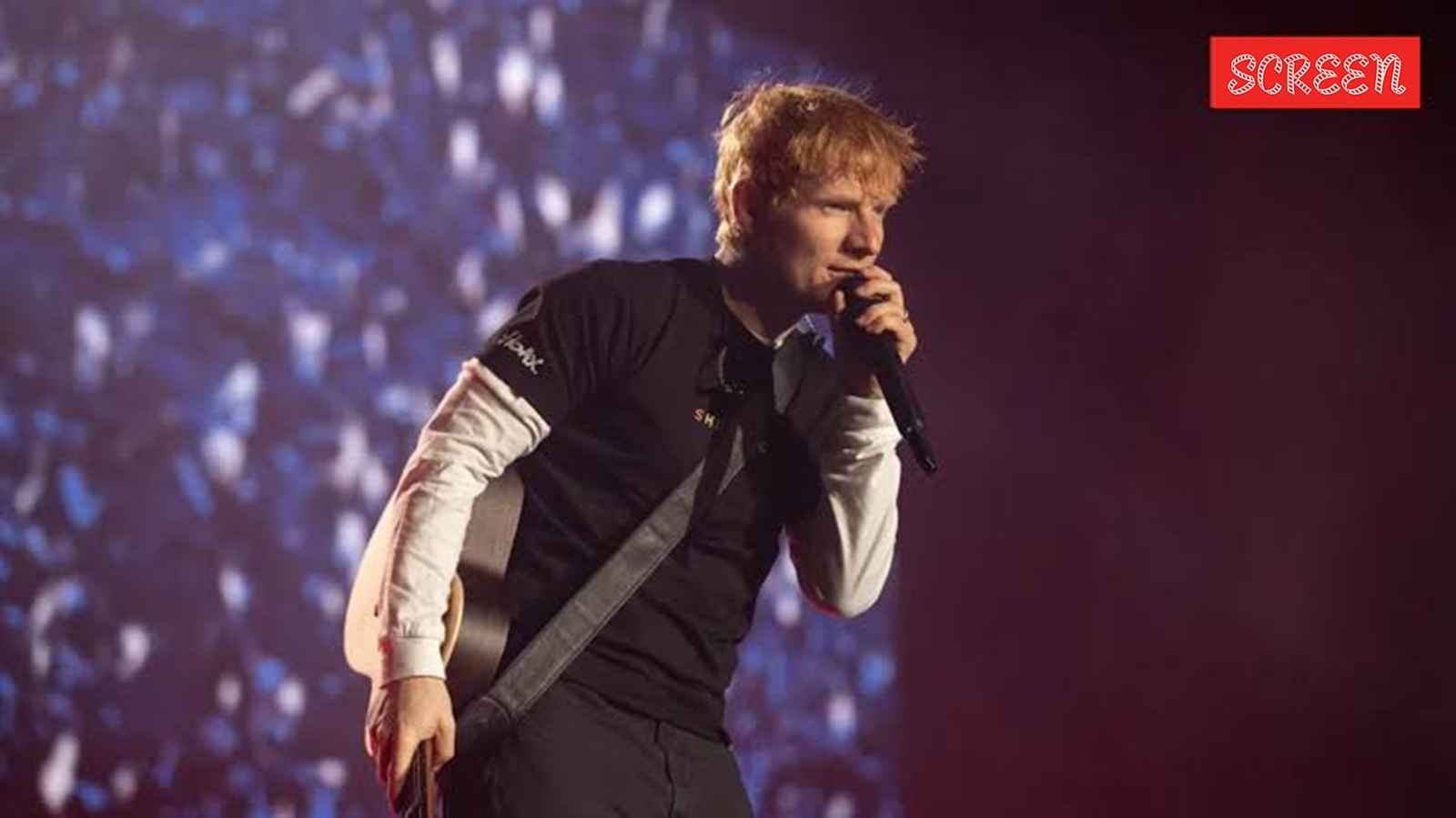
Ed Sheeran's 'Loop Tour' is facing internal discord as supporting acts withdraw following the removal of rapper Macklemore. The incident highlights the complex power dynamics between promoters, venue owners, and headline artists during global stadium tours.
The Power Dynamics of Global Stadium Tours
The recent turmoil surrounding Ed Sheeran’s 'Loop Tour' offers a rare window into the opaque, high-stakes world of international concert promotion. At the center of this controversy is the sudden removal of rapper Macklemore from the tour lineup following his pro-Palestinian remarks at New Jersey’s MetLife Stadium, an act that triggered a cascade of resignations from other supporting artists in solidarity. This situation underscores the tension between individual artistic expression and the rigid contractual frameworks that govern massive touring operations.
The Role of Concert Promoters and Venue Owners
In the music industry, concert promoters serve as the primary architects of live events, wielding significant control over logistics, billing, and contractual obligations. While venue owners possess the ultimate authority to dictate terms—often citing safety, liability, or public relations concerns—they frequently defer to the operational decisions of promoters. In this case, the promoter claimed that the decision to drop Macklemore was forced by venue-level pressure, highlighting how third-party entities can inadvertently dictate the creative makeup of a tour through restrictive performance policies.
The Illusion of Artist Autonomy
Ed Sheeran’s public statement—asserting that he had no involvement in the decision to remove Macklemore—clashes with the industry consensus that headliners of his magnitude usually maintain oversight over their tour’s personnel and branding. This discrepancy reveals a critical aspect of modern music business: even the most successful global stars are often bound by complex legal agreements and insurance clauses that limit their ability to intervene when promoters or venues make unilateral decisions to avoid controversy.
The Ripple Effect of Solidarity
The withdrawal of four supporting acts in response to Macklemore’s removal marks a significant shift in how touring artists navigate political discourse. By choosing to exit the tour, these performers have prioritized collective solidarity over individual career exposure. This creates a challenging environment for tour organizers, as the loss of supporting talent can lead to logistical voids and potential contractual breaches, further complicating an already strained touring schedule.
Broader Implications for Live Music
The 'Loop Tour' crisis serves as a case study for the increasing intersection of global politics and the entertainment industry. As artists become more vocal about their political stances, venue owners and promoters are finding it harder to maintain a neutral environment. This incident suggests that future stadium tours may require more robust crisis management protocols to handle the inevitable friction between high-profile guest speakers and the commercial interests of venues and promoters.
Concluding Observations
Ultimately, the situation surrounding Ed Sheeran’s tour demonstrates that the power to shape a performance is rarely held by a single entity. It is a fragile ecosystem of promoters, venue stakeholders, and artists, all of whom are susceptible to the pressures of public opinion. As this event continues to unfold, it sets a precedent for how touring entities may choose to handle controversial speech, potentially leading to more restrictive performance contracts in the future.