Oil slips 1% as traders hope for US-Iran truce amid fresh attacks on Saudi pipeline
Source Entity
SHIVANGHI PAYAL
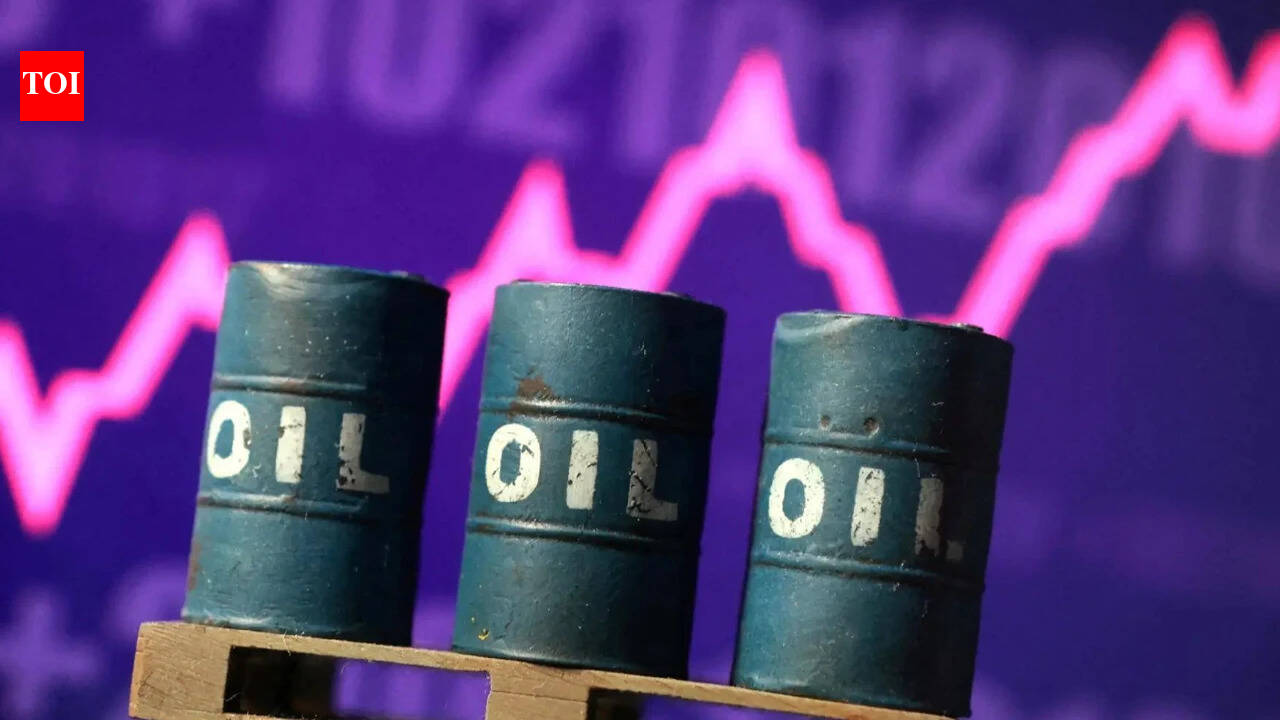
Oil prices have retreated as markets react to potential diplomatic progress between the US and Iran. Despite the easing, concerns remain high due to ongoing attacks on Saudi energy infrastructure and regional instability.
Market Volatility and the Geopolitical Tug-of-War
Global energy markets are currently navigating a period of extreme sensitivity, characterized by a sharp tug-of-war between diplomatic optimism and persistent physical threats to infrastructure. Following a week of significant price swings, WTI crude has settled at $93.52 per barrel, while Brent crude has retreated to $105.80. This volatility is a direct reflection of how closely the global economy remains tethered to the stability of the Persian Gulf, a region that serves as a critical artery for the world's energy supply.
The Diplomatic Pivot: US-Iran Negotiations
The primary driver of the recent price decline is the renewed optimism surrounding a potential phased deal between the United States and Iran. Reports indicate that negotiators in New York are exploring a framework that could alleviate the long-standing standoff in the region. The proposed path involves Tehran ensuring safe navigation through the vital Strait of Hormuz—a global maritime chokepoint—in exchange for the United States easing its naval blockade. This development is being closely monitored by investors who are desperate for a de-escalation that could stabilize supply chains.
Infrastructure Vulnerability in Saudi Arabia
Despite the diplomatic glimmer of hope, the market remains on edge due to fresh military operations targeting Saudi Arabia’s oil infrastructure. The vulnerability of these facilities continues to serve as a stark reminder of the persistent instability in the Middle East. Even when diplomatic talks progress, the physical threat to pipelines and processing facilities acts as a "risk premium" that prevents oil prices from falling significantly, as traders factor in the possibility of sudden, supply-disrupting attacks.
Analyzing Recent Market Trends
The current price action follows a week of erratic behavior. After a six-session losing streak for WTI, the market saw a sharp 5% rebound on Thursday, highlighting how quickly sentiment can shift based on news reports. While WTI ended the week down 6.42%, Brent managed a 2.09% gain over the same period. This discrepancy underscores the complexity of the global market, where different benchmarks react to varying regional pressures and geopolitical developments.
Broader Economic Implications
The ongoing conflict has created a scenario where energy prices are dictated more by headlines than by traditional supply-demand fundamentals. For the global economy, this represents a significant challenge. High oil prices act as a tax on consumers and businesses, exacerbating inflationary pressures. Should the current negotiations fail to produce a lasting agreement, the resulting uncertainty could lead to further price spikes, potentially stifling industrial growth and increasing costs for energy-dependent sectors worldwide.
Future Outlook and Conclusion
Looking ahead, the trajectory of oil prices will remain inextricably linked to the success of the US-Iran memorandum of understanding. The June 17 agreement, which had previously faced hurdles, remains the focal point for market stability. If the parties can successfully implement a phased de-escalation, we may see a period of cooling prices. However, until there is a tangible reduction in military operations near key energy infrastructure, the market will likely remain in a state of high alert, prone to sudden reactions to any news emerging from the Persian Gulf.