Oil rises amid uncertainty over U.S.-Iran Strait of Hormuz deal
Source Entity
US Top News and Analysis
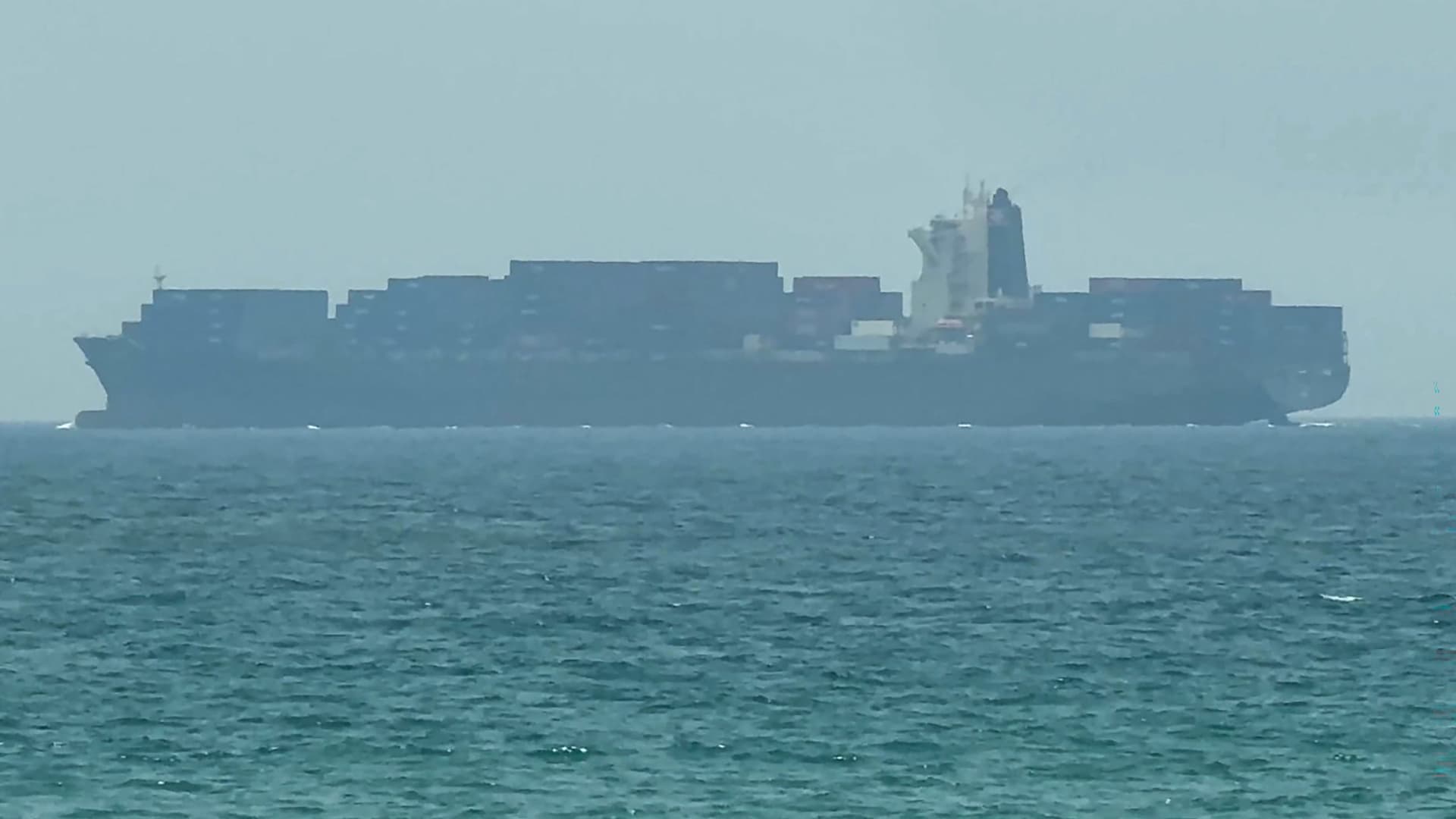
Oil prices have risen as negotiations to reopen the Strait of Hormuz face delays due to new Iranian demands and regional security threats. Investors remain cautious, balancing these geopolitical uncertainties against upcoming U.S. inflation data.
Market Volatility and the Geopolitical Shadow
Financial markets are currently navigating a period of heightened sensitivity as U.S. stock-index futures remain largely stagnant, reflecting a broader 'wait-and-see' approach. This hesitation is driven by a dual-threat environment: the immediate uncertainty regarding the reopening of the Strait of Hormuz and the looming release of critical U.S. inflation data later this week. Investors are clearly factoring in the potential for macro-economic volatility, choosing to remain sidelined until clarity emerges on both the geopolitical and monetary policy fronts.
The Strait of Hormuz Dilemma
The Strait of Hormuz, historically a vital artery for global energy, remains a central point of contention. While initial optimism suggested that Iran and Oman were nearing a deal to restore shipping lanes—a development that recently contributed to a 7% weekly decline in oil prices—that momentum has stalled. Iranian Foreign Minister Abbas Araghchi has clarified that Tehran is not currently engaged in direct talks with the U.S. to end hostilities. Instead, Iran is leveraging the situation to demand additional concessions from Washington, effectively placing the reopening of the waterway back in limbo.
Energy Markets Respond
Crude oil prices have reacted sharply to this impasse. Brent crude and West Texas Intermediate (WTI) have both seen gains exceeding 1%, reversing some of the previous week's losses. The market's reaction highlights the premium investors are willing to pay for energy security. With the Strait of Hormuz previously accounting for the passage of nearly one-fifth of the world’s oil, any delay in normalization directly translates into upward price pressure, as traders fear a sustained disruption to global supply chains.
Regional Instability and Security Risks
Beyond the diplomatic friction between Washington and Tehran, the physical security of energy infrastructure has deteriorated. Recent reports indicate that Houthi rebels have targeted Saudi Aramco’s Jazan refinery, resulting in a fire, while simultaneous attacks continue to plague the Red Sea and the Gulf of Aden. These kinetic actions add a layer of complexity to the shipping crisis, forcing market participants to account for not just diplomatic failures, but also the physical threat to tankers and processing facilities.
Future Trends and Outlook
Looking ahead, the trajectory of oil prices will likely remain tethered to two volatile variables: the success of the Iran-Oman shipping lane agreement and the broader regional security situation. Should Iran continue to hold out for further U.S. concessions, the 'risk premium' on oil is expected to persist. Conversely, if the upcoming U.S. inflation data shows unexpected strength, the Federal Reserve’s potential policy response could further dampen investor sentiment, creating a 'double-whammy' effect for global markets. For now, the combination of stalled diplomacy and ongoing regional conflict ensures that energy markets will remain in a state of high alert.
Multiple Citing Sources