Oil gains over 2% as fresh military strikes threaten Hormuz shipments
Source Entity
Yahoo Finance
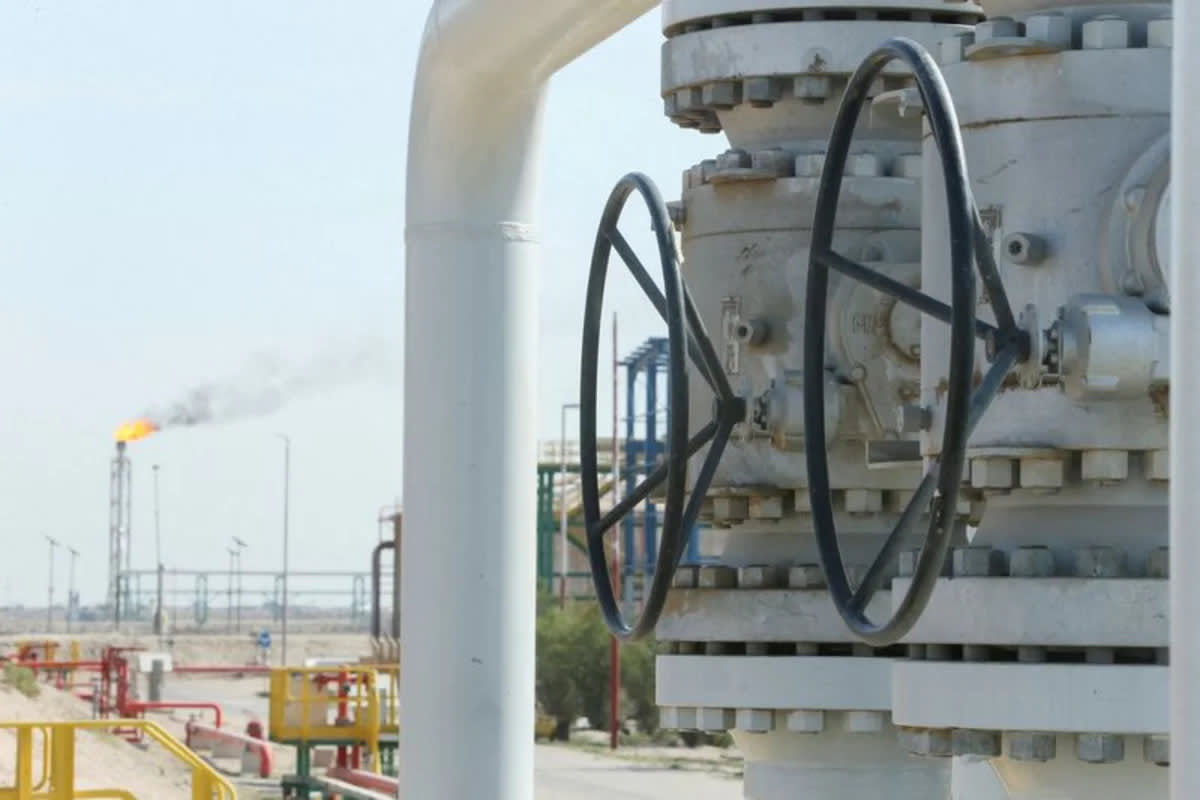
By Anushree Mukherjee July 13 (Reuters) - Oil prices surged more than 2% on Monday after renewed military strikes between the United States and Iran reignited concerns over energy shipments through t...
Geopolitical Volatility and the Energy Market: Analyzing the Oil Price Surge
Introduction
On July 13, global oil markets experienced a sharp uptick, with prices surging over 2% in response to renewed military strikes between the United States and Iran. This price movement is a direct reflection of the market's sensitivity to geopolitical instability in the Middle East, specifically regarding the security of crude oil transit. The immediate reaction of traders and investors underscores a persistent 'fear premium' that is embedded in oil pricing whenever tensions escalate between these two adversarial powers, as the threat of supply disruption outweighs short-term demand fundamentals.
The Strategic Criticality of the Strait of Hormuz
At the heart of this market volatility is the Strait of Hormuz, one of the world's most vital maritime chokepoints. A significant portion of the world's total oil consumption passes through this narrow waterway, connecting the Persian Gulf with the Gulf of Oman and the Arabian Sea. Any military strike or perceived threat of closure in this region creates an immediate bottleneck risk. Because there are limited viable alternative routes for the massive volumes of crude exported from Saudi Arabia, Iraq, and the UAE, the market reacts violently to any news suggesting that shipments could be hindered, leading to the rapid price gains observed in this instance.
Historical Context of US-Iran Tensions
The current escalation is not an isolated event but part of a long-standing cycle of confrontation between Washington and Tehran. Historically, the relationship has been characterized by a struggle over nuclear proliferation, regional influence, and maritime security. Previous incidents, including the seizure of tankers and drone strikes, have established a pattern where military skirmishes serve as leverage in broader diplomatic negotiations. The market has learned from these historical precedents that military strikes often precede periods of heightened risk, which explains why a 2% jump occurs almost instantaneously following reports of aggression.
Market Psychology and the 'Fear Premium'
From an analytical perspective, the 2% surge represents the activation of the 'fear premium.' In commodity trading, prices are driven not just by current supply and demand, but by the expectation of future scarcity. When military strikes occur, speculators and hedge funds move to buy futures contracts to protect against a potential price spike if the Strait of Hormuz were to be closed. This speculative buying creates a feedback loop that pushes prices higher, even before any actual oil shipment is delayed or destroyed. This psychological driver demonstrates how geopolitical narratives can override economic data in the short term.
Broader Economic Implications
Rising oil prices triggered by geopolitical conflict have a ripple effect across the global economy. For oil-importing nations, a sustained increase in crude costs contributes directly to inflationary pressures, raising the cost of transportation and manufacturing. Central banks, already struggling to balance inflation and growth, may find their monetary policies complicated by external energy shocks. Furthermore, if the military strikes lead to a prolonged blockade or systemic instability, the resulting energy crisis could slow global GDP growth, making the stability of the Hormuz shipments a matter of global macroeconomic security rather than just a regional conflict.
Future Outlook and Conclusion
Looking forward, the trajectory of oil prices will depend on whether these strikes lead to a full-scale escalation or a diplomatic cooling-off period. If the US and Iran engage in successful de-escalation, the 'fear premium' will likely evaporate, leading to a price correction. However, if the strikes signal a new phase of asymmetric warfare in the Gulf, oil prices could enter a period of sustained volatility. In summary, the recent price jump is a stark reminder of the world's precarious dependence on a few narrow geographic corridors and the enduring impact of Middle Eastern geopolitics on the global financial system.