J&K CM Omar Abdullah backs Centre on UPI charges
Source Entity
India Latest News: Top National Headlines Today & Breaking News | The Hindu
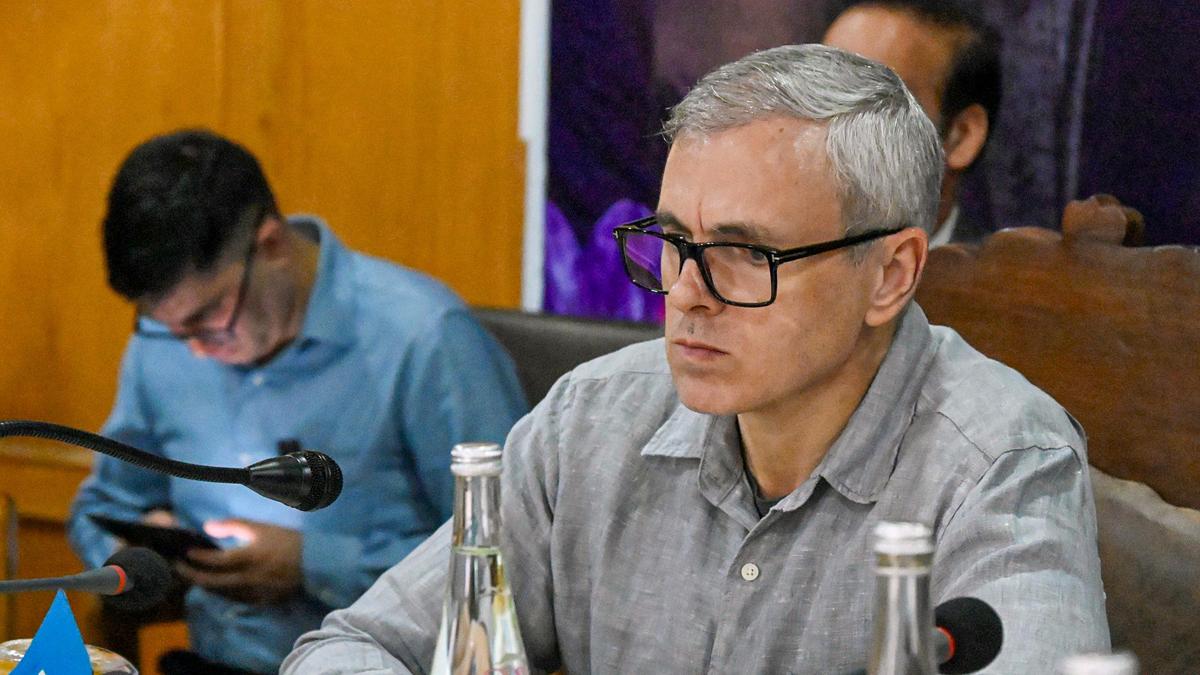
J&K CM Omar Abdullah has publicly supported the Centre's move to introduce charges for certain UPI transactions. He emphasized the high costs of maintaining digital infrastructure while advising that retail consumers should remain protected.
The Economics of Digital Public Infrastructure
Jammu and Kashmir Chief Minister Omar Abdullah recently voiced support for the central government's proposal to implement a levy on specific Unified Payments Interface (UPI) transactions. This development marks a significant shift in the discourse surrounding India’s digital public infrastructure (DPI), which has long been celebrated for its zero-cost model for users. The Chief Minister’s stance highlights the growing tension between maintaining a free-to-use public service and the escalating operational costs required to keep such a massive, high-frequency system functional.
Understanding the Cost of Digital Payments
At the core of the debate is the financial reality of maintaining UPI, a system that processes billions of transactions monthly. As Omar Abdullah noted, the infrastructure is not cheap to operate. It requires consistent investment in cybersecurity, server capacity, and real-time settlement technologies to ensure the system remains resilient against fraud and technical outages. Moving away from a purely subsidized model suggests that stakeholders are now looking for sustainable long-term funding mechanisms that do not rely solely on government grants or bank absorption of costs.
Protecting the Retail Consumer
Despite his support for the levy, Abdullah was careful to couch his endorsement with a call for consumer protection. The proposed structure, as outlined in his statement, aims to shield the average retail user. By exempting person-to-person (P2P) transfers and setting a specific transaction ceiling for individuals, the government seeks to preserve the convenience that has made UPI a cornerstone of India’s digital economy. This tiered approach is designed to ensure that the burden of cost recovery falls primarily on high-volume commercial users rather than the common citizen.
The Psychology of Value
An interesting aspect of the Chief Minister’s argument is the psychological dimension of free services. Abdullah suggested that when a service is offered completely free of charge, users often fail to value it appropriately. By introducing a nominal fee for certain segments, the government may be attempting to foster a culture of fiscal responsibility and awareness regarding the technological resources powering India's cashless transition. This shift could potentially normalize the idea that digital services, like physical utilities, carry inherent costs.
Future Trends in Digital Finance
Looking ahead, the implementation of these charges could set a precedent for how other digital public goods are managed in India. If this model succeeds in balancing infrastructure sustainability with consumer affordability, it may be replicated across other sectors of the digital economy. However, the government will need to navigate public sentiment carefully, as the success of UPI is deeply tied to its perception as an accessible, low-barrier tool for financial inclusion. The coming months will likely see a refined policy framework that balances the need for revenue with the imperative of maintaining the platform's widespread adoption.
Verification Required?