'See how many allies of Pak were in that room': Omar praises Centre for Brics
Source Entity
ABHISHEK MISHRA
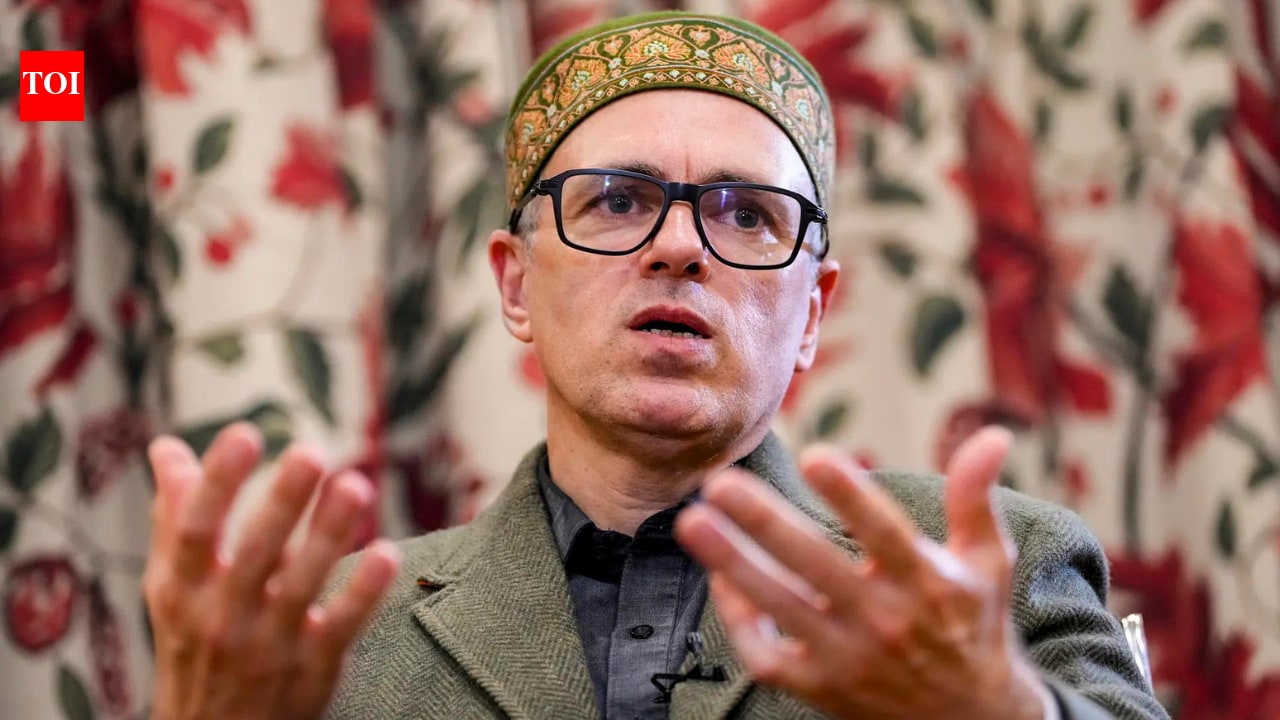
Jammu and Kashmir Chief Minister Omar Abdullah has commended the Indian government's diplomatic efforts at the BRICS summit. He highlighted the significance of the bloc's condemnation of the Pahalgam terror attack as a major success for India's foreign policy.
Diplomatic Significance of the BRICS Summit
The recent BRICS summit has emerged as a focal point of geopolitical discourse, particularly following the inclusion of a condemnation regarding the Pahalgam terror attack in the joint declaration. Jammu and Kashmir Chief Minister Omar Abdullah has publicly lauded the Central government for this diplomatic achievement, framing it as a testament to India's growing influence on the international stage. By securing such a statement within a multilateral forum, India has effectively utilized its diplomatic capital to highlight regional security concerns to a global audience.
Analyzing the 'Allies' Narrative
Omar Abdullah’s commentary specifically noted the presence of Pakistan's traditional allies within the BRICS room, underscoring the shift in diplomatic dynamics. The fact that countries often aligned with Pakistan signed off on a document explicitly condemning a terror incident in Pahalgam serves as a strategic victory for New Delhi. This suggests that India’s persistent advocacy for a zero-tolerance policy toward cross-border terrorism is gaining traction even among nations that maintain close ties with Islamabad.
The Impact of Multilateral Pressure
Historically, obtaining unified statements on specific regional security incidents in large, diverse blocs like BRICS has been a challenge due to varying national interests. The Pahalgam condemnation signals a maturation of the bloc’s stance on terrorism, moving beyond generic rhetoric toward addressing specific threats. This development forces member states to reconcile their bilateral relations with Pakistan against the collective interest of maintaining regional stability and security in South Asia.
Domestic Political Ramifications
For the internal politics of Jammu and Kashmir, Omar Abdullah’s praise for the Centre indicates a rare moment of alignment between regional leadership and the national government on foreign policy matters. By acknowledging the Centre’s success, Abdullah reinforces the narrative that national security is a shared priority that transcends partisan divides. This stance potentially stabilizes the regional discourse, shifting the focus toward the state's integration into the broader national security framework.
Future Trends in Regional Security
Looking ahead, the inclusion of the Pahalgam incident in the BRICS communique sets a precedent for future summits. It indicates that India will likely continue to leverage its membership in influential groups like BRICS, the G20, and the SCO to isolate state-sponsored terrorism. As the global geopolitical landscape shifts, the ability to build consensus on security issues will remain a core pillar of India's foreign policy, with the 'Pahalgam consensus' serving as a blueprint for future diplomatic engagements.