J&K: Pahalgam cloudburst damages hotels, huts, washes away road; tourists moved to safety
Source Entity
NASEER GANAI
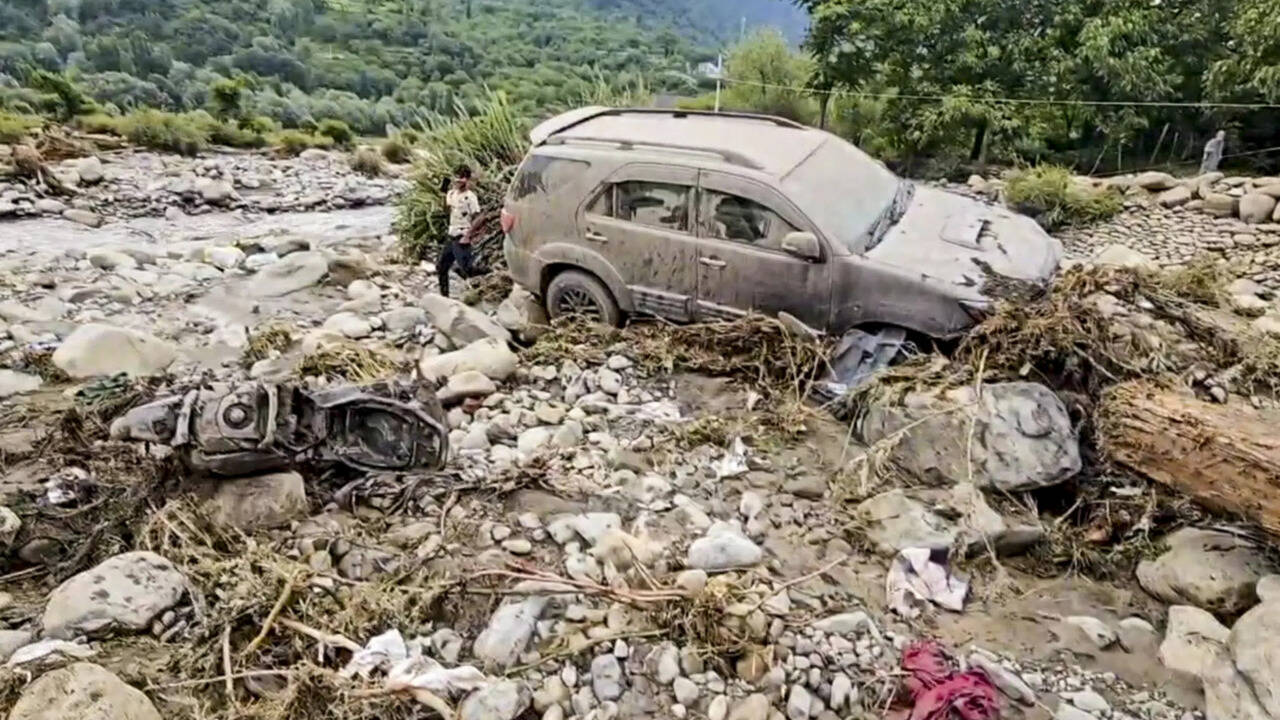
Flash floods inundated hotels and huts in Pahalgam after a cloudburst on Saturday evening. The deluge damaged roads, power infrastructure, and agricultural fields along Overa stream. Around eleven villages experienced severe effects, with roads cut off and utilities disrupted. Tourists described sudden water gushing into hotels, leading to swift evacuations. Questions arose regarding hotel constructions within flood channels over recent years.
Analysis of the Pahalgam Cloudburst and its Socio-Environmental Implications
On a Saturday evening, the serene landscape of Pahalgam in Jammu and Kashmir was transformed into a zone of crisis following a sudden and violent cloudburst. This meteorological phenomenon triggered immediate flash floods, with the Overa stream overflowing its banks and inundating nearby settlements. The resulting deluge caused extensive damage to hotels, residential huts, and agricultural fields, cutting off vital transportation links and disrupting power infrastructure across approximately eleven villages. The speed and intensity of the water influx left locals and visitors with very little time to react, underscoring the volatility of the Himalayan ecosystem.
Immediate Infrastructure and Human Impact
The scale of the destruction is most evident in the disruption of essential services. With roads washed away and power grids failing, the eleven affected villages faced immediate isolation, complicating rescue and relief efforts. For the tourists present in the region, the experience was one of sheer panic; reports indicate that water gushed into hotel lobbies and rooms with startling speed, necessitating rapid evacuation procedures. While the prompt movement of tourists to safety prevented a higher casualty rate, the event highlights the extreme vulnerability of the region's hospitality infrastructure when faced with sudden climatic shifts.
The Crisis of Unplanned Urbanization
One of the most critical takeaways from this event is the emerging discourse regarding land use and zoning. The reports specifically highlight a growing concern over the construction of hotels and commercial structures within natural flood channels. In the rush to capitalize on Pahalgam's popularity as a premier tourist destination, regulatory oversight regarding 'no-construction zones' may have been compromised. When buildings are erected in the direct path of a stream's natural overflow area—such as the Overa stream—they not only increase the risk to human life but also act as obstructions that can exacerbate the severity of flash floods by diverting water into residential areas.
Himalayan Vulnerability and Climate Context
To understand the broader context, it is essential to recognize that cloudbursts are becoming increasingly frequent in the Himalayan belt. These events occur when an intense amount of precipitation falls over a small geographical area in a very short period, often caused by the collision of warm, moist air with the cold mountain terrain. As global temperatures rise, the moisture-carrying capacity of the atmosphere increases, making these localized but violent storms more common. The Pahalgam incident is not an isolated weather event but a symptom of a larger trend of climatic instability affecting the high-altitude regions of India.
Future Trends and Necessary Mitigations
Looking forward, the Pahalgam disaster serves as a wake-up call for the Jammu and Kashmir administration to implement stricter environmental auditing. Future trends suggest that without a transition toward 'sustainable tourism,' the region will face recurring economic losses and safety crises. There is an urgent need for the mapping of all flood-prone channels and the potential relocation of structures that jeopardize public safety. Furthermore, the installation of early warning systems (EWS) specifically designed for cloudburst detection could provide the critical minutes needed to evacuate tourists and locals more efficiently.
Conclusion
In summary, the cloudburst in Pahalgam was a devastating reminder of nature's power and the perils of ignoring environmental boundaries. While the successful evacuation of tourists is a positive outcome, the structural damage to eleven villages and the disruption of the Overa stream's basin reveal a systemic failure in urban planning. Balancing the economic benefits of tourism with the geological realities of the Himalayas is no longer optional; it is a necessity for the long-term survival and safety of the region.