Pakistan's crypto push clouded by Islamic edict, regulator asks for clarification
Source Entity
Yahoo Finance
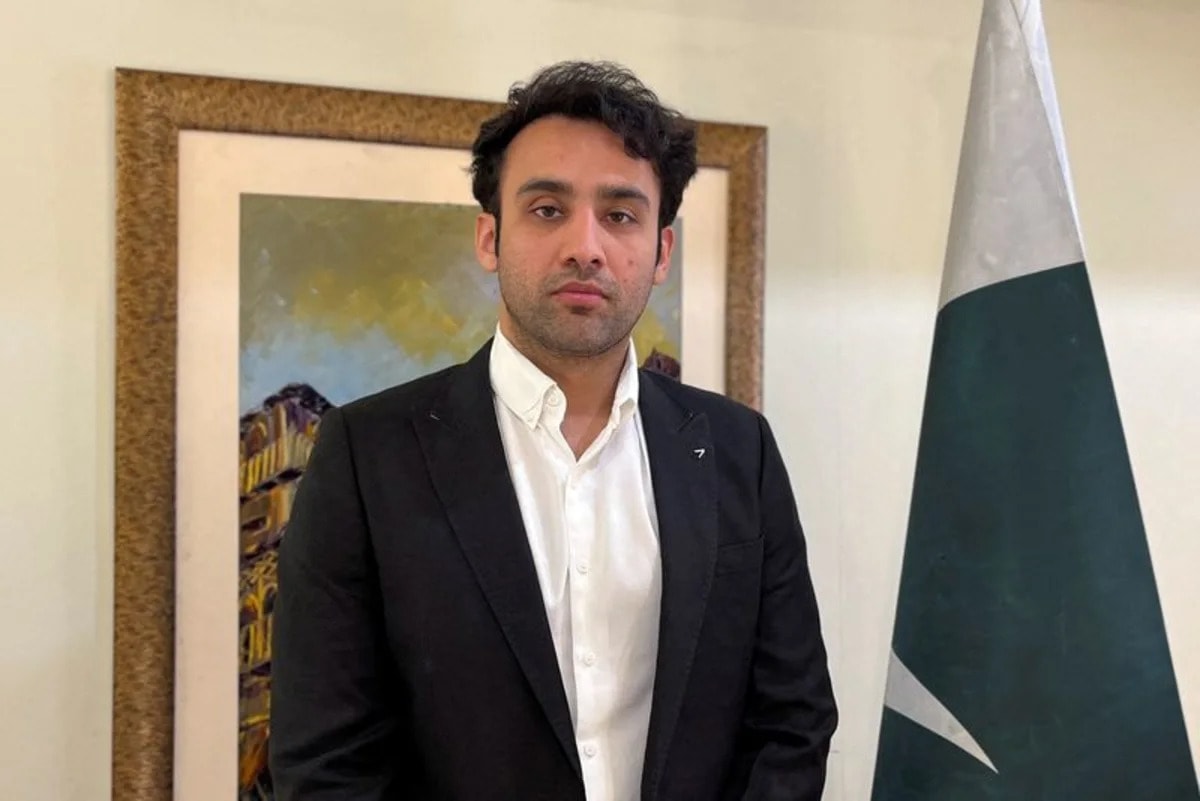
Pakistan's virtual assets regulator is seeking a formal clarification from the country's top Islamic seminary to distinguish between speculative cryptocurrencies and asset-backed digital assets, aiming to resolve religious objections to crypto adoption.
Navigating the Intersection of Faith and Finance: Pakistan's Crypto Dilemma
Pakistan is currently at a critical crossroads regarding the integration of digital assets into its national financial framework. The recent move by the country's virtual assets regulator to seek guidance from the top Islamic seminary highlights a profound tension between the rapid global ascent of blockchain technology and the strict adherence to Sharia law. This request for clarification is not merely a bureaucratic formality but a strategic attempt to find a legal and religious loophole that would allow the state to embrace the economic benefits of cryptocurrency without alienating the influential religious establishment.
The Theological Hurdle: Speculation vs. Utility
At the heart of the conflict is the Islamic concept of gharar (excessive uncertainty or speculation) and riba (usury/interest). Many Islamic scholars have historically viewed cryptocurrencies as forms of gambling due to their extreme volatility and lack of intrinsic value, which aligns them with prohibited speculative activities. By asking the seminary to draw a clear distinction between "speculative cryptocurrencies" and "asset-backed" tokens, the regulator is attempting to shift the conversation. Asset-backed tokens—such as those pegged to gold, real estate, or other commodities—provide a tangible underlying value, which significantly increases their likelihood of being deemed halal (permissible) under Islamic jurisprudence.
Economic Imperatives and Digital Transformation
From an economic perspective, Pakistan faces significant pressure to modernize its financial systems to attract foreign investment and empower its tech-savvy youth. A large number of Pakistanis are already engaging in cryptocurrency trading through unofficial channels, creating a shadow economy that the state cannot tax or regulate. By establishing a Sharia-compliant framework, the government could potentially bring these activities into the formal economy, reducing the risk of money laundering and capital flight while fostering a homegrown fintech ecosystem that leverages blockchain for transparency and efficiency.
Global Context and Islamic Fintech Trends
Pakistan's struggle reflects a broader trend across the Muslim world. Other nations, such as the UAE and Saudi Arabia, have taken more aggressive steps toward becoming global hubs for digital assets, often by creating specialized regulatory zones that balance innovation with Islamic principles. The emergence of "Islamic Fintech" is a growing global sector, focusing on ethical investing and profit-sharing models rather than interest-based lending. If Pakistan's seminary provides a favorable ruling on asset-backed tokens, it could open the door for the issuance of "Islamic Stablecoins," which could revolutionize remittances—a vital source of income for the Pakistani economy.
Regulatory Risks and Future Outlook
Despite the potential gains, the path forward is fraught with risk. A total ban, should the seminary rule against all forms of crypto, would likely push the market further underground, making it harder to protect consumers from scams. Conversely, a permissive ruling without robust oversight could expose the fragile economy to systemic risks associated with digital asset volatility. The regulator's request for a nuanced distinction suggests a desire for a middle path: a regulated environment where only "safe," backed assets are permitted, while high-risk speculative coins remain restricted.
Conclusion: A Precedent for Modernity
Ultimately, the decision of the Islamic seminary will serve as a pivotal precedent for how Pakistan balances traditional values with the demands of the digital age. The outcome will determine whether the country remains a cautious observer of the blockchain revolution or becomes an active participant in the new digital economy. By anchoring the technological push in religious legitimacy, the regulator is attempting to ensure that Pakistan's leap into the future is culturally sustainable and legally sound.