‘Rested in lotus’: Pankaja slams claim that father Gopinath Munde wanted to join Congress
Source Entity
Manoj Dattatrye More
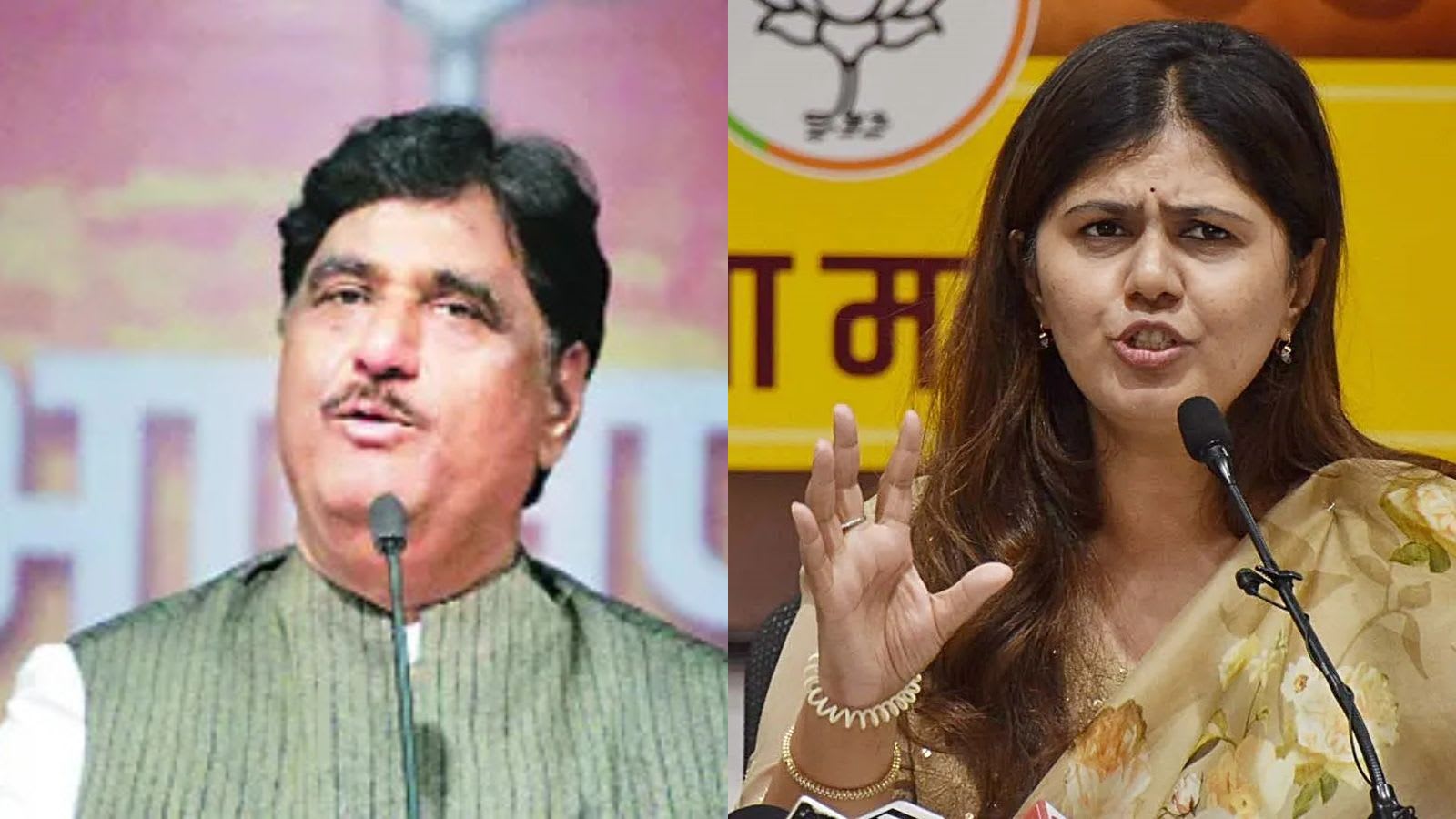
Pankaja Munde has strongly refuted claims by Congress leader Prithviraj Chavan that her late father, Gopinath Munde, intended to join the Congress party. She dismissed the allegations as irrelevant and a disrespectful politicization of a deceased leader's legacy.
The Controversy Surrounding Gopinath Munde's Political Allegiance
A fresh political firestorm has erupted in Maharashtra following assertions by former Chief Minister Prithviraj Chavan. Chavan claimed that the late BJP stalwart Gopinath Munde, a towering figure in state and national politics, had been on the verge of defecting to the Congress party. According to Chavan, Munde had allegedly sought a central ministerial position during the UPA-2 government era, a statement that has sparked intense debate regarding the integrity of historical political narratives.
Pankaja Munde’s Rebuttal
In a swift and sharp response, Pankaja Munde, a minister in the Maharashtra government and Gopinath Munde’s daughter, rejected these claims outright. Speaking from Beed, she characterized the comments as "inappropriate and irrelevant." Her rebuttal serves as a defensive wall for her father's legacy, emphasizing that the late leader remained steadfast in his commitment to the BJP throughout his life. By labeling the discussion as lacking significance, she aimed to shut down speculation that could potentially damage her father's long-standing reputation as a loyalist to the saffron party.
The Ethics of Posthumous Politics
The timing and nature of Chavan’s revelation raise significant questions about the ethics of political discourse in India. Pankaja Munde highlighted the impropriety of discussing the private conversations of a deceased individual, noting that since Munde can no longer defend himself or clarify his intentions, such claims are inherently unverifiable and opportunistic. This incident underscores a recurring trend where historical political figures are invoked to score contemporary political points, often at the cost of familial sensitivity and historical accuracy.
Historical Context and Political Legacy
Gopinath Munde was an instrumental figure in building the BJP's base in Maharashtra, particularly among the Other Backward Classes (OBC). His influence was pivotal in the state’s political transformation over the last few decades. The attempt to link such a central figure of the BJP to the Congress party is not merely a biographical assertion; it is a strategic maneuver aimed at challenging the narrative of ideological purity that the BJP often utilizes to galvanize its voter base. By suggesting that even stalwarts were once willing to cross the aisle, the opposition attempts to soften the image of rigid party loyalties.
Broader Implications for Maharashtra Politics
This incident highlights the volatility of Maharashtra's political landscape, where alliances are fluid and historical narratives are frequently contested. As the state moves toward future electoral cycles, the battle over the legacy of icons like Gopinath Munde will likely intensify. Both the ruling coalition and the opposition are eager to claim the moral high ground by aligning themselves with the perceived values of past leaders. However, as demonstrated by Pankaja Munde's firm stance, the families of these leaders remain key gatekeepers of their political memory.
Conclusion
Ultimately, the controversy underscores the tension between political opportunism and the preservation of personal legacy. While Prithviraj Chavan sought to reframe the political history of the UPA-2 era, the firm rejection from the Munde family has served to reinforce the late leader's association with the BJP. For now, the narrative remains firmly anchored in the denial of these claims, leaving the political discourse focused on the integrity of the statements rather than the alleged facts themselves.