Paramount, Warner Bros. shares rally on report of merger settlement agreement
Source Entity
Yahoo Finance
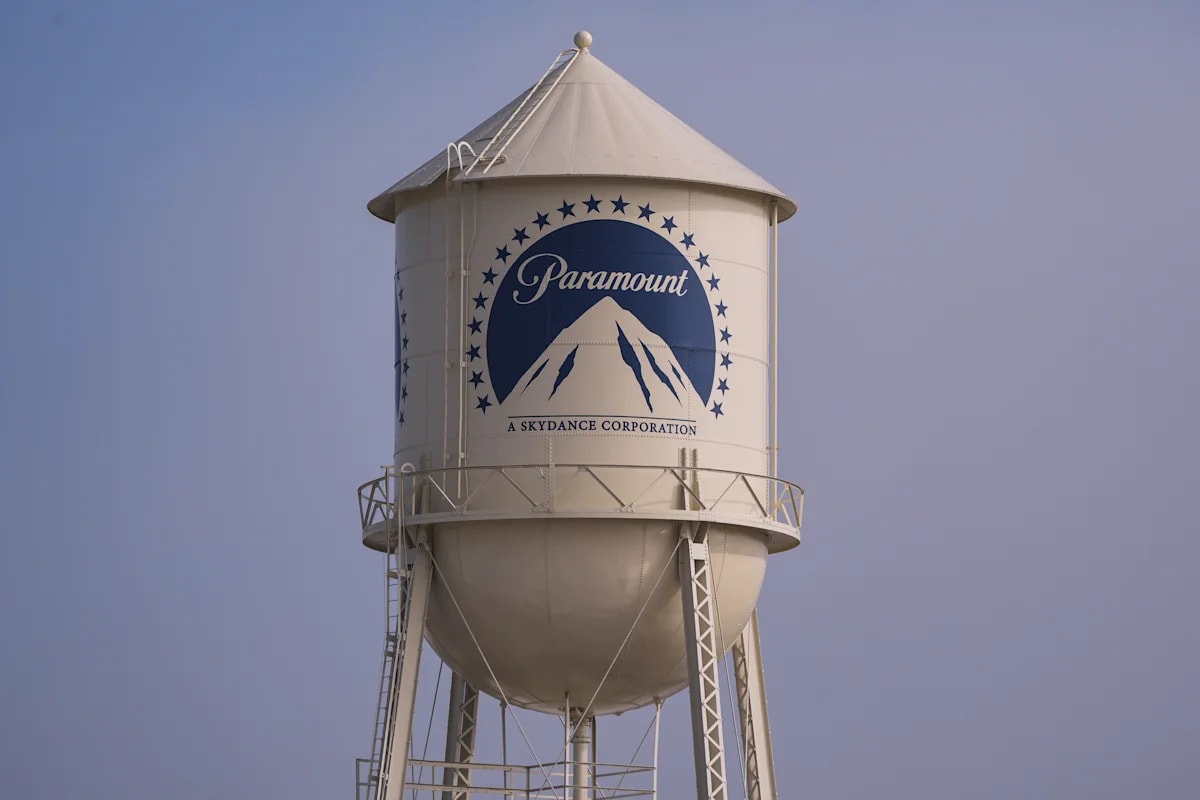
Paramount and Warner Bros. Discovery have reached a settlement with state attorneys general to allow their $111 billion merger to proceed. The agreement includes strict mandates on theatrical film production and prevents the sale of major studio lots for five years.
The Paramount-Warner Bros. Merger: A Regulatory Breakthrough
Recent reports indicate that Paramount and Warner Bros. Discovery (WBD) have reached a significant settlement with state officials, effectively clearing the path for their massive $111 billion merger. The market reaction was swift, with Paramount and WBD shares rallying 5% and 7% respectively, signaling investor confidence in the resolution of antitrust hurdles that previously threatened to derail the deal.
Antitrust Hurdles and Legal Compromise
The merger faced intense scrutiny from a coalition of twelve Democratic state attorneys general who initially sought to block the transaction on antitrust grounds. By addressing these concerns through a formal settlement, the companies have avoided a prolonged legal battle. The agreement represents a strategic compromise, balancing the corporate objective of massive consolidation against the regulatory mandate to maintain competition and local economic stability.
Mandates for Theatrical Distribution
One of the most notable conditions of the settlement involves a commitment to theatrical distribution. To ensure that the merger does not lead to a reduction in creative output, the combined entity is required to release at least 30 films in theaters annually. Failure to meet this threshold carries significant financial weight, with a $30 million penalty per missing film. Furthermore, the company faces the potential divestiture of its 49% stake in Miramax if the production targets are not met, providing a strong incentive for the firm to maintain its cinematic footprint.
Protecting Real Estate and Local Commitments
Beyond production quotas, the settlement imposes strict constraints on the company's real estate assets. The agreement mandates that the combined company cannot sell its namesake studio lots in Los Angeles for the first five years post-merger. This clause is clearly designed to protect local jobs and the cultural infrastructure of the Hollywood production ecosystem, ensuring that the consolidation does not result in the immediate liquidation or repurposing of historic studio space.
Future Implications for Media Consolidation
This settlement also requires the combined entity to uphold all outstanding contracts regarding the lease or development of studio facilities within the states involved for a five-year period. By securing these commitments, the state attorneys general have established a blueprint for how future mega-mergers in the entertainment sector might be regulated. This "stability-first" approach ensures that while corporate entities may scale up to compete in a global streaming market, they must remain anchored to the regional production facilities that support the broader industry.
Conclusion
The resolution of these antitrust concerns marks a pivotal moment for Paramount and Warner Bros. Discovery. By agreeing to these stringent operational and real estate conditions, the companies have secured the regulatory green light necessary to pursue their integration strategy. Whether this settlement successfully balances the demands of corporate growth with the public interest in a robust, competitive film industry remains a subject of great interest for media analysts and market observers alike.