Stakeholders: PM, CMs removal clause 'unconstitutional'
Source Entity
TNN
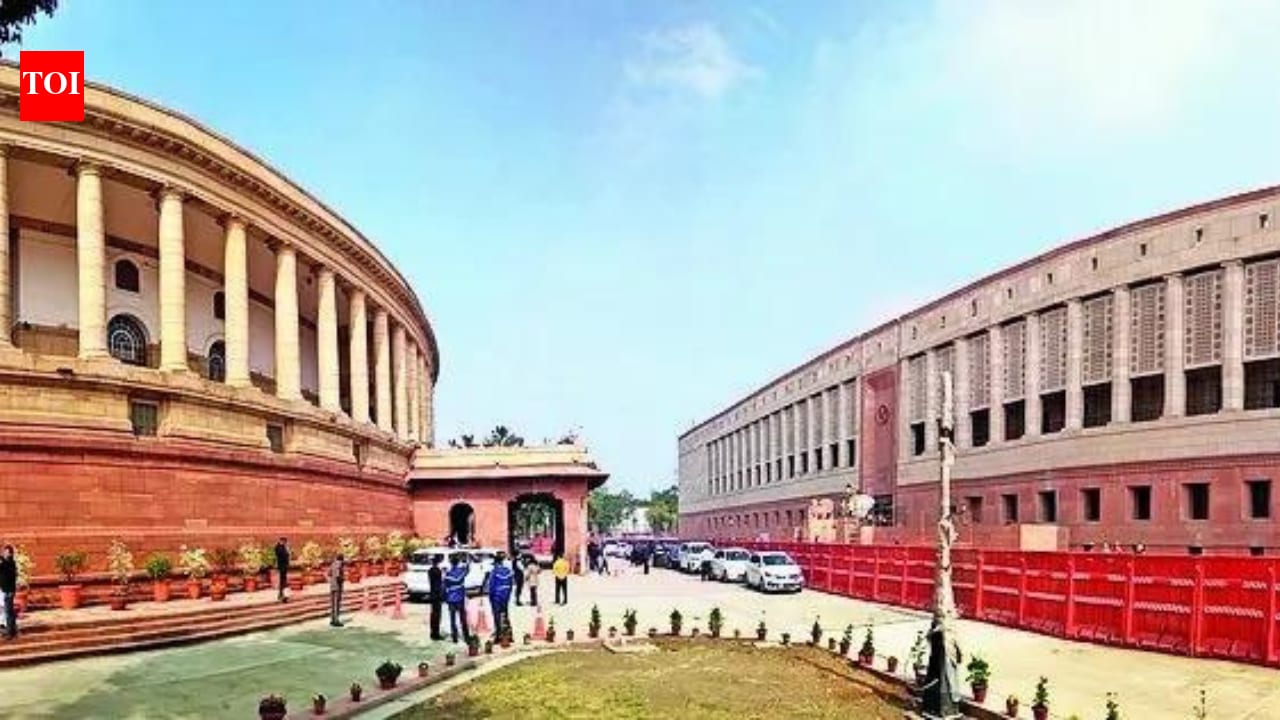
A parliamentary panel noted concerns about the anti-corruption bill's arrest clause. Stakeholders found removing officials after thirty days constitutionally problematic. The draft report suggests a sunset clause for automatic reversal of barring. It also proposes using "suspension" instead of "removal" to avoid stigma. The committee's recommendations will be tabled in Lok Sabha soon.
Legal and Constitutional Analysis of the Anti-Corruption Bill's Removal Clause
Introduction
The intersection of anti-corruption legislation and constitutional mandates often creates a friction point between the necessity of accountability and the stability of democratic governance. The recent findings by a parliamentary panel regarding the proposed anti-corruption bill highlight a critical legal tension: the attempt to mandate the removal of high-ranking officials—specifically the Prime Minister (PM) and Chief Ministers (CMs)—following a period of arrest or detention. While the goal of the bill is to cleanse the executive branch of corruption, the mechanism proposed has been flagged as potentially unconstitutional, sparking a debate over due process and the preservation of elected mandates.
The Constitutional Conflict of Automatic Removal
The core of the controversy lies in the 'thirty-day' threshold for removal. Stakeholders have argued that automatically stripping a head of government of their power based on a period of detention, rather than a final judicial conviction, violates fundamental constitutional principles. In most democratic frameworks, the presumption of innocence is a cornerstone of the legal system. By institutionalizing removal upon arrest, the bill risks bypassing the judiciary and creating a scenario where administrative or politically motivated arrests could effectively topple a government without a trial. This creates a precarious precedent where the executive's stability is tied to the actions of investigative agencies rather than the will of the electorate or a court of law.
Mitigating Stigma: The Shift from 'Removal' to 'Suspension'
A significant nuance in the parliamentary panel's recommendation is the proposed change in terminology from "removal" to "suspension." This is not merely a semantic adjustment but a strategic legal safeguard. "Removal" implies a permanent termination of tenure and carries a heavy social and political stigma that can be nearly impossible to reverse, even if the official is later exonerated. In contrast, "suspension" suggests a temporary state of being sidelined during an investigation, allowing for a smoother restoration of duties if the charges are dropped. This shift acknowledges the high stakes involved when dealing with the highest offices of the land, ensuring that the dignity of the office is maintained while the legal process unfolds.
The Safeguard of the Sunset Clause
To further protect against the potential weaponization of this law, the draft report suggests the implementation of a "sunset clause" for the automatic reversal of barring. A sunset clause in this context would ensure that if certain legal milestones are not met within a specific timeframe, the barring of the official would automatically expire. This mechanism is crucial because it prevents an official from being held in a state of permanent limbo. Without such a clause, a prolonged trial could leave a state or the nation without its legitimate elected leader for years, creating a power vacuum and administrative paralysis that could be exploited by opposing political factions.
Broader Implications for Governance and Stability
If the original removal clause were to be enacted without these modifications, it could lead to unprecedented political volatility. The ability to remove a CM or PM based on a 30-day detention period could incentivize the use of corruption charges as a tool for political engineering. In a highly polarized political climate, the threat of such a clause could be used to coerce executive leadership or destabilize state governments. By recommending these safeguards, the parliamentary panel is attempting to balance the imperative of fighting corruption with the necessity of maintaining institutional stability and the rule of law.
Conclusion
The recommendations of the parliamentary panel represent a critical corrective measure to ensure that anti-corruption efforts do not inadvertently undermine the constitutional fabric of the government. By advocating for "suspension" over "removal" and insisting on a sunset clause, the panel is prioritizing due process over expediency. As these recommendations are tabled in the Lok Sabha, the resulting debate will likely define the boundaries between executive accountability and constitutional protection for the highest offices in the country.