Passport regulates departure, not proof of citizenship: Centre
Source Entity
Divya A
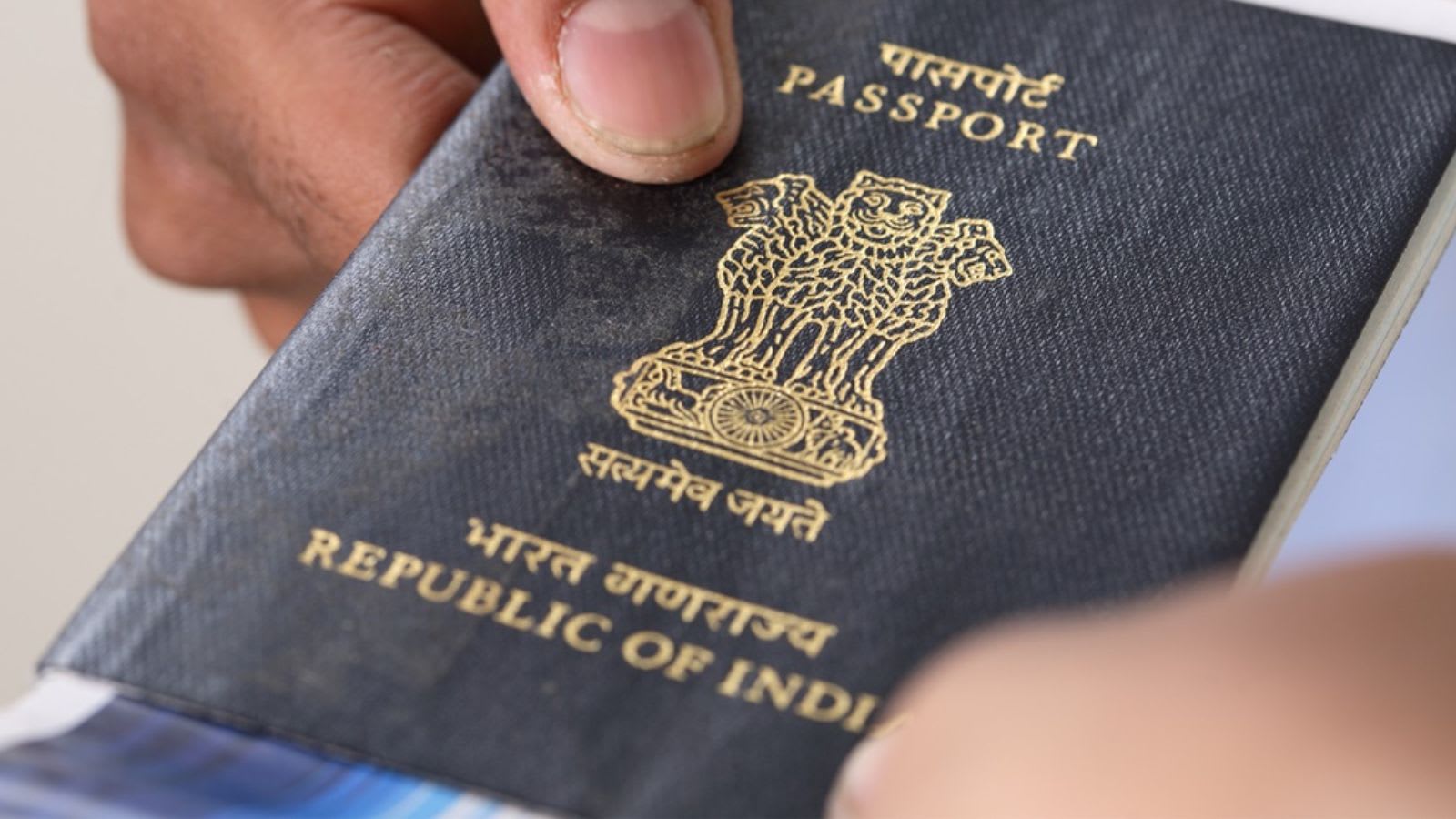
The Indian government has clarified that a passport is primarily a travel document used to regulate international departures and does not serve as conclusive proof of citizenship, particularly during electoral revision processes.
Clarifying the Boundary Between Travel Documentation and Legal Citizenship
In a significant administrative clarification, the Central Government has reiterated a critical legal distinction: a passport is a document designed to regulate a person's departure from and entry into a country, rather than serving as an absolute proof of citizenship. This clarification emerges amidst ongoing electoral revision processes, where the government is streamlining voter lists to ensure that only eligible citizens are permitted to exercise their franchise. The move underscores a rigorous approach to identity verification, separating the utility of travel permits from the legal status of nationality.
The Functional Role of the Passport
To understand the government's stance, it is essential to analyze the functional purpose of a passport. Historically and legally, a passport is an international travel document issued by a sovereign state to its nationals, but its primary utility is to facilitate movement across borders and ensure the holder can be identified by foreign authorities. While the issuance of a passport typically requires a verification of identity and nationality, the document itself is a tool of regulation for travel. By stating that it does not prove citizenship, the Centre is highlighting that the administrative process of issuing a travel document does not supersede the statutory requirements for proving citizenship under the Citizenship Act.
Implications for Electoral Revision
This distinction becomes particularly crucial during the process of electoral revision. The primary goal of these revisions is to determine the eligibility of individuals to be included in the electoral rolls. Because voting is a right reserved exclusively for citizens, the government is emphasizing that possessing a passport is not sufficient evidence to bypass other citizenship verification protocols. This prevents a scenario where a travel document—which might have been issued based on a specific set of criteria at a certain point in time—is used as a shortcut to claim voting rights without providing the comprehensive evidence required for citizenship certification.
Historical and Legal Context
Legally, this position aligns with the principle that citizenship is a status derived from birth, descent, registration, or naturalization, all of which require specific legal documentation such as birth certificates or naturalization certificates. In previous administrative disputes, the government has maintained that various identity documents (including passports or driver's licenses) are "proofs of identity" rather than "proofs of citizenship." This nuance is vital in a complex legal landscape where nationality can be contested or changed, and where the state must maintain a high threshold of evidence to protect the integrity of the democratic process.
Broader Administrative Trends and Future Outlook
Looking forward, this clarification suggests a trend toward more stringent and layered verification processes for government benefits and political rights. As India continues to integrate digital identity frameworks like Aadhaar with other databases, the government is likely to move toward a more centralized and verified "citizenship registry" or a more robust verification system that does not rely on secondary documents like passports. This will likely lead to a clearer separation between documents used for administrative convenience (travel, identification) and those used for legal status (citizenship).
Summary
By decoupling the passport from the proof of citizenship, the Centre is reinforcing the legal rigor required for electoral eligibility. This ensures that the electoral rolls remain accurate and that the distinction between a traveler and a citizen is maintained according to the letter of the law, thereby safeguarding the integrity of the electoral process.