63 of its reserved plots encroached, PCMC takes steps to free them
Source Entity
Manoj Dattatrye More
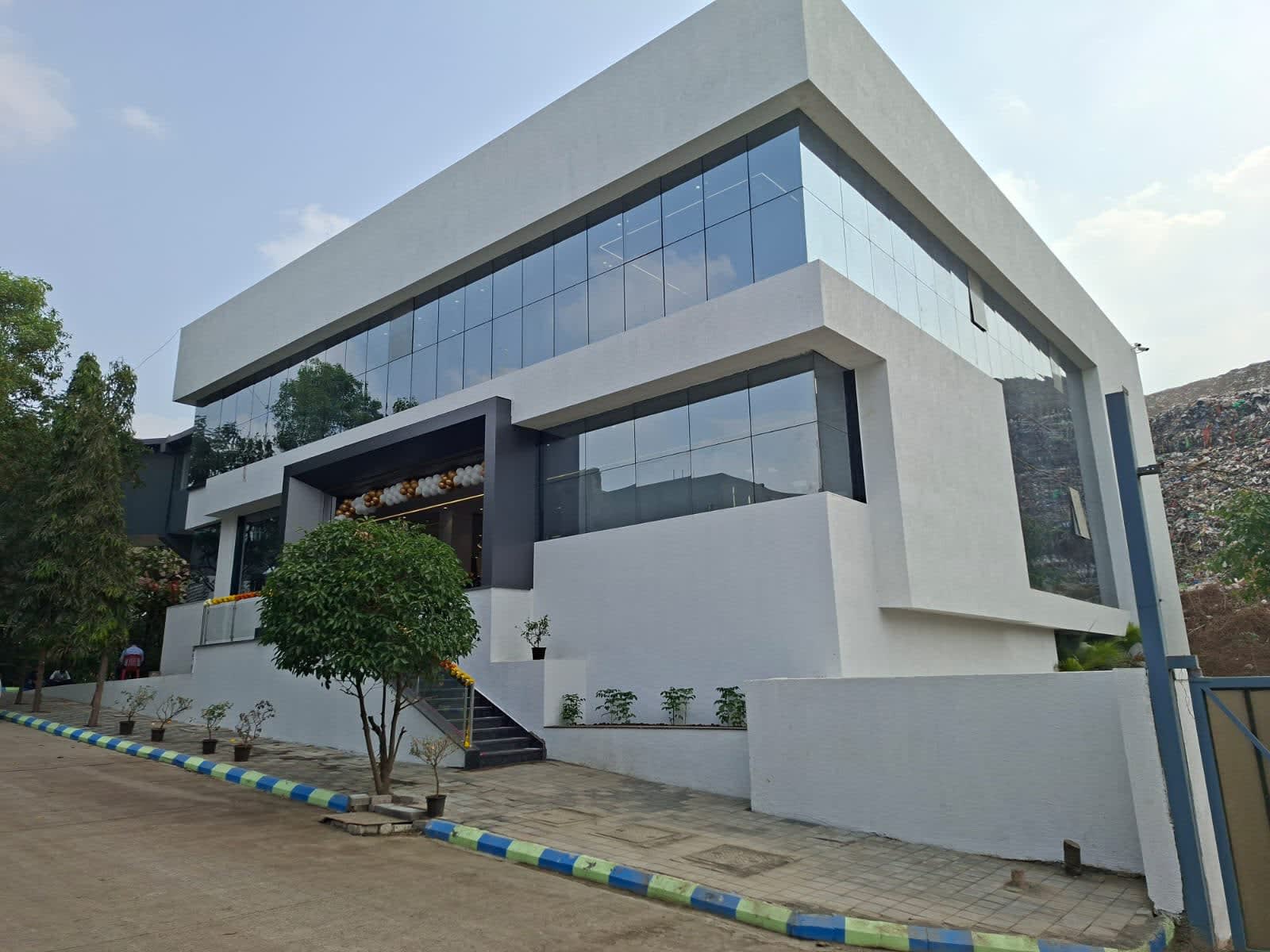
The Pimpri-Chinchwad Municipal Corporation (PCMC) is reclaiming 63 municipal plots previously reserved for civic amenities. Authorities are demolishing illegal structures such as sheds and nurseries to repurpose the land for public use.
PCMC Launches Drive to Reclaim Reserved Land
The Pimpri-Chinchwad Municipal Corporation (PCMC) has initiated a significant enforcement drive to reclaim 63 plots of land that were originally reserved for public amenities, such as playgrounds and gardens. These plots, which are legally owned by the civic body, had been occupied by local residents and, according to reports, influential political figures. The encroachment has hindered the city's ability to provide essential public spaces, prompting the municipal administration to take decisive action to restore these assets for community benefit.
The Mechanism of Acquisition and Neglect
These specific plots were acquired by the PCMC through the Transferable Development Rights (TDR) mechanism. TDR is a policy tool that allows landowners to receive development rights in exchange for surrendering their land to the government for public infrastructure. While this method is effective for securing land without upfront cash payments, the subsequent failure to develop these sites immediately left them vulnerable. Because the land remained idle, it became an easy target for encroachment, leading to the construction of unauthorized nurseries, tin sheds, and cowsheds.
Challenges in Urban Governance
The issue of land encroachment in rapidly urbanizing areas like Pimpri-Chinchwad highlights the persistent challenges faced by municipal corporations in managing public property. When land remains vacant for extended periods, the lack of fencing or active oversight invites illegal occupation. The involvement of local political figures complicates the removal process, as these individuals often wield influence that can impede administrative actions. By publicly acknowledging the presence of such figures, the PCMC is signaling a shift toward more transparent and assertive land management.
Enforcement and Demolition Strategy
Additional Municipal Commissioner Trupti Sandbhor has confirmed that the PCMC has begun the demolition of illegal structures currently occupying these 63 plots. The focus of the cleanup includes removing structures that are clearly non-compliant with urban zoning laws, such as commercial nurseries and animal shelters. This systematic removal is a necessary step to clear the path for the intended development of playgrounds and gardens, which are critical for the quality of life in densely populated urban centers.
Broader Implications and Future Outlook
The reclamation of these plots serves as a broader test for urban governance in India's industrial hubs. If the PCMC succeeds in clearing these 63 plots, it will likely set a precedent for recovering other encroached municipal properties. Moving forward, the city must implement stricter monitoring protocols—such as regular site inspections and physical perimeter fencing—to ensure that once these lands are cleared, they are swiftly developed into the public amenities for which they were originally acquired. This proactive approach will be essential to preventing future re-encroachments and ensuring that public land serves the public interest.