Pentagon CTO says U.S. government shouldn't take stakes in tech giants, questions adding AI rules
Source Entity
US Top News and Analysis
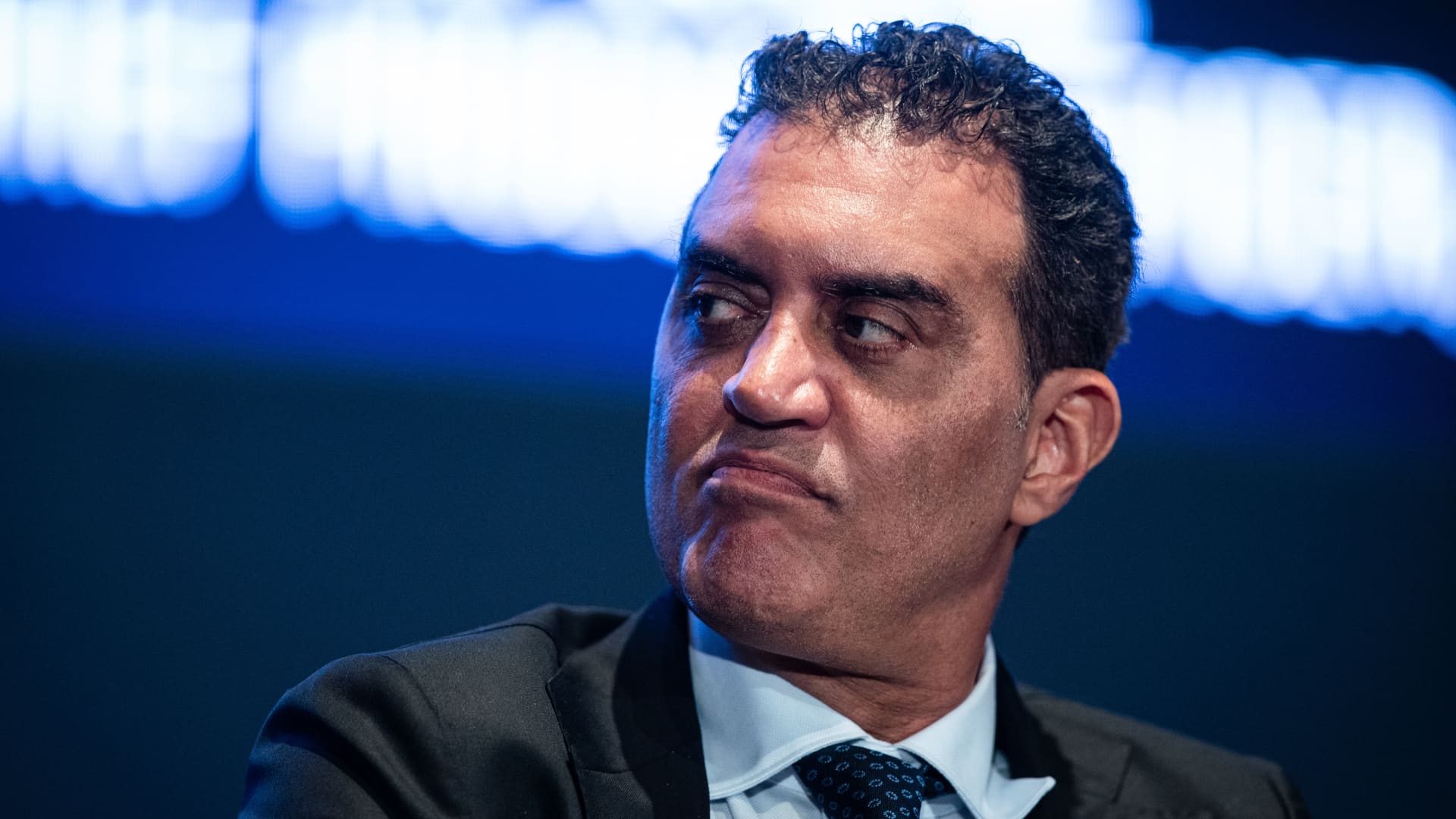
Pentagon CTO Emil Michael has rejected the idea of the U.S. government taking stakes in AI firms, signaling a preference for private sector autonomy. This stance contrasts with the administration's recent acquisitions of stakes in companies like Intel and U.S. Steel.
The Pentagon's Stance on AI Sovereignty
In a recent development regarding the intersection of national security and emerging technology, Department of Defense Chief Technology Officer Emil Michael has publicly distanced the Pentagon from the concept of government-led ownership of artificial intelligence companies. During an appearance on CNBC, Michael explicitly stated that the administration should avoid taking equity stakes in AI firms, marking a critical policy boundary as the global race for AI dominance intensifies.
Contradictions in Administrative Policy
The administration's current approach to industrial policy presents a complex narrative. While the Pentagon CTO advocates for a hands-off approach regarding AI, President Donald Trump’s second administration has concurrently pursued a strategy of direct intervention in other sectors. This includes a notable 10% stake in Intel and a 'golden share' in U.S. Steel, which is currently a subsidiary of Nippon Steel. These moves reflect a broader trend of state-capitalist tendencies that seem to conflict with the administration's stated rhetorical opposition to 'big-government socialism.'
The AI Regulatory Dilemma
Beyond ownership, the administration faces significant pressure regarding the regulation of AI. President Trump has been vocal in his opposition to calls from both lawmakers and industry leaders for a potential 'slowdown' or increased regulatory oversight of AI development. This pushback suggests that the White House views the rapid advancement of AI as a strategic imperative that could be stifled by bureaucratic red tape, even as others raise alarms about the societal risks posed by unchecked development.
Strategic Implications for National Security
By rejecting government stakes in AI, the Pentagon appears to be prioritizing the agility of the private sector over state control. The logic implies that the Department of Defense believes the innovation required for national security is best fostered in a competitive, market-driven environment rather than through direct federal ownership. This decision carries significant weight, as AI is increasingly viewed as the foundational technology for future defense systems and geopolitical influence.
Future Outlook and Market Impact
Looking forward, the tension between the desire for government oversight and the commitment to free-market innovation will remain a defining feature of the current administration. If the Pentagon maintains this stance, investors and tech giants can expect a regulatory environment that favors speed and private capital allocation. However, the administration's inconsistent history with other industrial sectors leaves the door open for future shifts should national security concerns regarding AI supply chains or foreign influence become more acute.