PM Modi invites suggestions from India Inc on further reforms
Source Entity
India Latest News: Top National Headlines Today & Breaking News | The Hindu
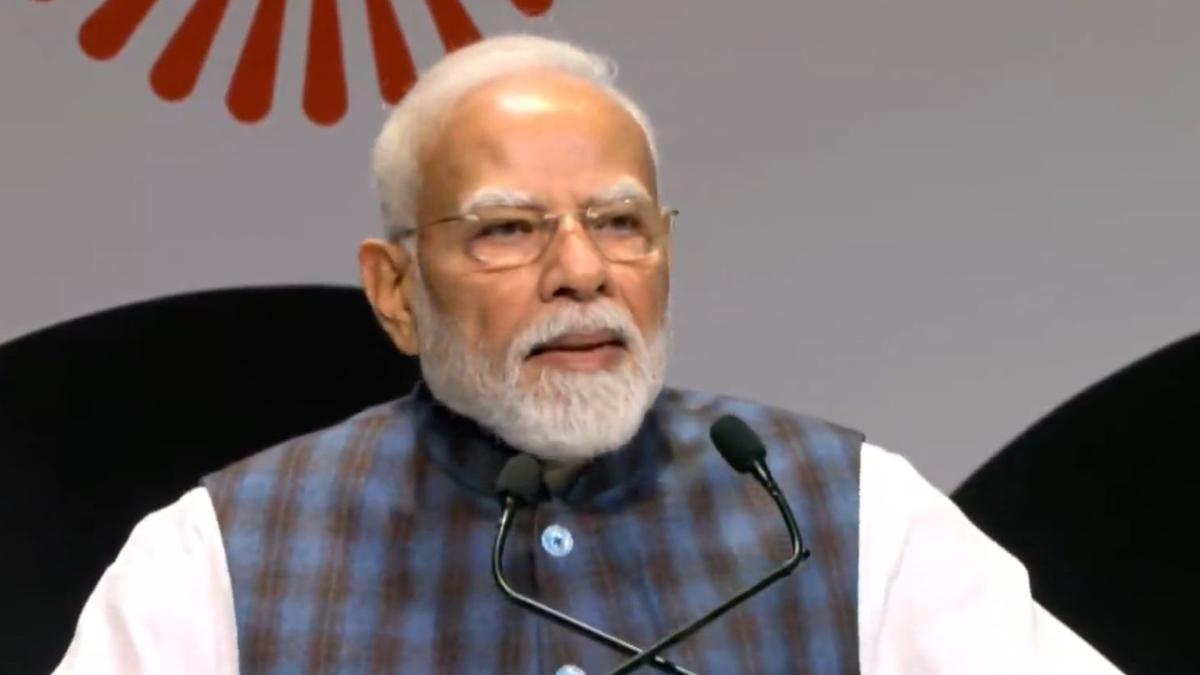
Prime Minister Narendra Modi has invited India Inc to suggest further economic reforms while challenging them to pass on the benefits of tax cuts to employees. He emphasized the need for self-reliance and increased investment in the agricultural sector to sustain India's growth trajectory.
PM Modi Challenges India Inc to Translate Tax Relief into Workforce Gains
Prime Minister Narendra Modi’s address at the FICCI centenary convention on November 19, 2026, marked a significant pivot in the government’s engagement with the private sector. While extending an open invitation for industry leaders to suggest further reforms, the Prime Minister simultaneously placed the onus on corporations to demonstrate social responsibility. By asking industry leaders to suggest changes without hesitation, the government is signaling a shift toward a more collaborative, yet accountable, economic policy framework.
The Reciprocity of Economic Reform
A core theme of the address was the explicit linkage between government-led fiscal policy and private-sector labor practices. Mr. Modi highlighted that his administration had aggressively reduced the corporate tax rate from 30% in 2014 to 22% today, alongside implementing income tax relief for individuals earning up to ₹12 lakh. However, the Prime Minister challenged the efficacy of these measures, directly questioning whether industry leaders have responded by increasing employee headcount or raising wages. This public inquiry suggests a government expectation that fiscal incentives must result in tangible improvements for the middle and working classes.
Self-Reliance and the Agricultural Frontier
Beyond fiscal accountability, the Prime Minister urged India Inc to prioritize 'Atmanirbhar Bharat' (Self-Reliant India). A notable directive from the speech was the call for corporations to invest heavily in agriculture and allied sectors. By bridging the gap between urban-centric corporate growth and the rural agrarian economy, the government aims to diversify investment and ensure that the benefits of India's growth story are not limited to manufacturing or services alone, but are felt across the primary sector.
Socio-Economic Progress and Poverty Alleviation
The Prime Minister contextualized these economic demands within the broader success of his administration over the past 12-13 years. Citing the achievement of 50 crore people overcoming poverty during this period, he framed the current economic environment as one of immense opportunity. By grounding his appeal in these historical achievements, Mr. Modi is signaling that the 'growth story' is now at a stage where the private sector must take the lead in consolidating these gains.
Future Trends: Accountability in the Private Sector
Looking ahead, this speech signals a changing dynamic where the government is likely to monitor the 'trickle-down' effects of tax reforms more closely. The rhetoric used—'Modi ji aap karo hum dekh lenge' (Modi ji, you do it, we will see)—serves as a warning against corporate complacency. Future policy discussions are likely to involve more stringent assessments of how private firms utilize tax savings, potentially tying future fiscal benefits to workforce expansion and wage growth metrics.
Conclusion
In summary, Prime Minister Modi’s address to FICCI serves as both an invitation and a mandate. By fostering an environment where industry leaders are encouraged to suggest reforms while simultaneously being held accountable for employee welfare, the government is attempting to balance pro-business policies with populist economic goals. The success of this strategy will depend on whether India Inc adopts the Prime Minister's call to integrate agricultural investment and labor-centric growth into their long-term corporate strategies.
Verification Required?