Kate and William in Mumbai: No autographs and other royal protocol rules they must follow
Source Entity
Latest News: Todays Latest News Headlines from India & World | Hindustan Times
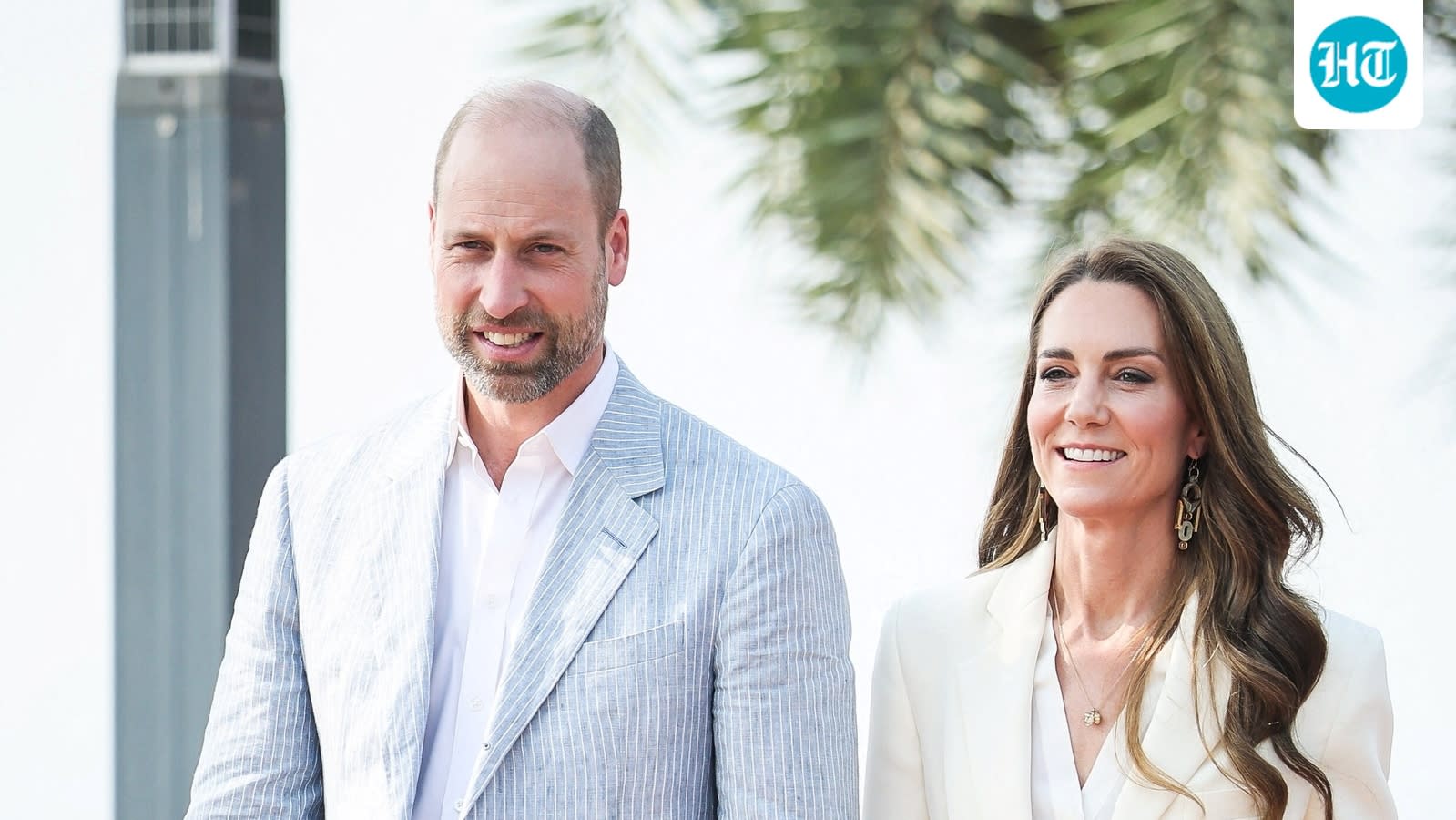
Prince William and Princess Catherine are visiting India for the Earthshot Prize, where they must adhere to strict royal protocols. Among these is a long-standing ban on signing autographs to prevent forgery and protect royal security.
The Protocol of Presence: Royal Constraints in India
The arrival of the Prince and Princess of Wales in India for a three-day visit centered on the Earthshot Prize represents a significant moment for the British monarchy on the global stage. As they navigate their official engagements, the couple must balance their public-facing duties with the rigid, centuries-old protocols that govern the behavior of the Royal Family. These rules, while often perceived as rigid by the general public, serve as essential safeguards for the institution’s security and integrity.
The Ban on Autographs
One of the most frequently misunderstood constraints facing Prince William and Princess Catherine is the strict prohibition against signing autographs. This is not a reflection of personal preference but a mandated security measure. As Catherine herself noted during a 2022 visit to the Chelsea Flower Show, the rule is absolute: she cannot sign her name, identifying herself simply as "Catherine" when interacting with fans. This protocol is rooted in the practical necessity of preventing forgery; a royal signature, if accessible, could be misused to authenticate fraudulent documents or manipulate public perception.
Security and Institutional Integrity
Beyond the risk of forgery, the prohibition on signatures highlights the unique vulnerability of the Royal Family. Every public interaction is managed through a lens of risk assessment. By refusing to sign autographs, the royals maintain a professional distance that prioritizes their personal safety and the security of the Crown. This practice ensures that their official communications remain formal and that their identity is not commodified through individual memorabilia that could be easily replicated or exploited.
Modern Diplomacy and Public Engagement
Despite these restrictions, the Prince and Princess of Wales remain highly effective in their diplomatic outreach. Their visit to India to promote the Earthshot Prize—an initiative focused on environmental sustainability—demonstrates how the monarchy uses its influence to champion global causes. The challenge lies in maintaining this level of engagement while adhering to protocols that were established in eras long before modern celebrity culture. Their ability to politely navigate these requests while remaining accessible to the public is a testament to the training and discipline required of their roles.
Historical Context and Future Trends
These protocols have evolved over generations, adapting to the changing media landscape. Historically, the "mystique" of the monarchy was a primary source of its power; today, that mystique must coexist with the demands of social media and constant public scrutiny. As the monarchy continues to modernize, we can expect these core security protocols to remain, even as the couple finds new, creative ways to connect with audiences worldwide without compromising their safety or the dignity of the institution.
Conclusion
In summary, the rules followed by Prince William and Princess Catherine during their Indian tour are not mere formalities but essential components of the constitutional framework they represent. By declining autograph requests, they uphold a standard of security that protects the monarchy from potential exploitation. Their focus remains firmly on the Earthshot Prize, ensuring that their visit serves the broader purpose of environmental advocacy while adhering to the historic decorum that defines their public life.
Verification Required?