Your ’80s style AI photo is temporary: What happens to images you upload?
Source Entity
Tech Desk
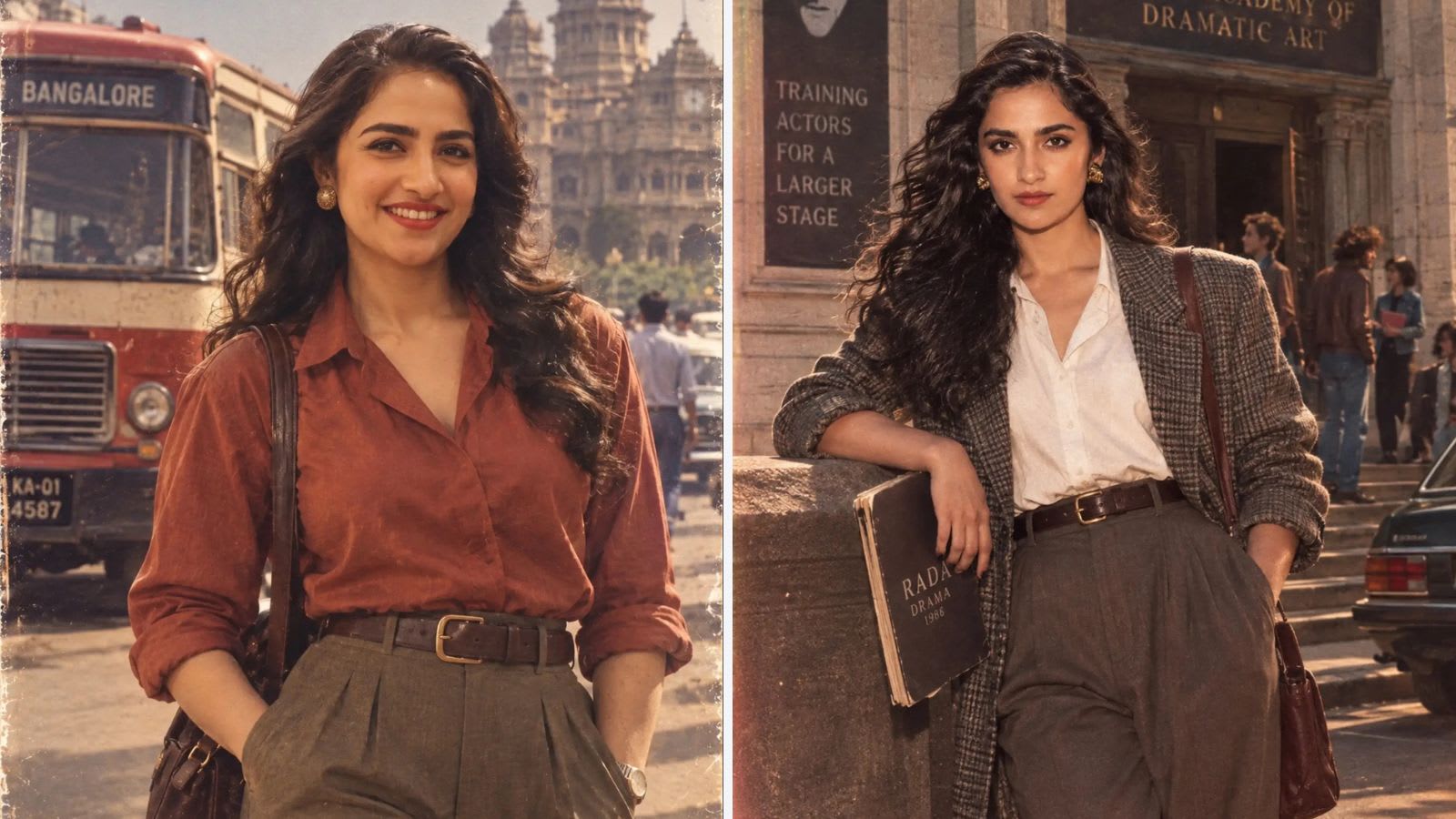
The viral trend of using AI to transform personal photos into 1980s or royal-style portraits has sparked significant privacy concerns. Experts warn that users may be inadvertently compromising their biometric data by uploading personal images to AI platforms without fully understanding the data retention policies.
The Hidden Cost of Viral AI Trends
The digital landscape is currently witnessing a massive surge in popularity for AI-driven photo transformation trends, specifically those that reimagine personal photographs in 1980s-inspired aesthetics or regal Rajasthan royalty styles. While these tools offer an alluring, nostalgic experience—turning everyday selfies into cinematic, vintage-themed portraits—they have simultaneously reignited a critical debate regarding digital privacy and the security of biometric data.
A Pattern of Data Exposure
This is not the first time users have flocked to such platforms; previous viral phenomena like the 'Ghiblify' trend and various AI-based caricature generators served as precursors to the current craze. In each instance, cybersecurity experts have issued consistent warnings. The core issue is not the artistry of the output, but the process of input: by uploading clear, high-resolution photographs of their faces to AI chatbots, users are voluntarily providing sensitive biometric data to third-party services.
Beyond the 'Fun' Factor
Many users treat these AI interactions as transient, viewing the resulting image as the final product of a harmless social media game. However, privacy advocates and reports from outlets like Wired suggest that the risks are far more profound. When an image is uploaded, it is rarely just a 'picture.' It enters a data processing pipeline where the terms of service—often overlooked by the average user—may permit the platform to store, analyze, or even train future models on the submitted facial data.
The Architecture of Risk
The allure of being depicted in a vintage Contessa-style 1980s photo or a sandstone-adorned palace courtyard can overshadow the potential for identity misuse. As users experiment with specific prompts designed to alter their appearance while 'preserving identity,' they are essentially providing high-fidelity training sets to AI developers. This creates a long-term vulnerability, as once biometric data is processed or stored in a cloud environment, the user loses control over its future utilization.
Navigating the Digital Future
As we look forward, the trend of 'personalized AI' is likely to accelerate, with more sophisticated prompts becoming available for niche aesthetics like Rajasthan royalty-inspired portraits. However, the future of user safety depends on a shift in public awareness. The convenience of instant transformation must be weighed against the permanence of digital footprints. Experts suggest that before participating in the next viral trend, users must scrutinize the privacy policies of the underlying AI platforms to understand exactly what becomes of their uploaded portraits once the 'share' button is pressed.
Conclusion
While the creativity enabled by AI is undeniable, the current trend serves as a cautionary tale. The intersection of nostalgia and technology is a powerful motivator for engagement, but it should not come at the expense of personal privacy. Users are encouraged to exercise caution, treat their biometric information as a highly sensitive asset, and remain skeptical of any platform that requires the mass uploading of personal photos for the sake of a fleeting digital trend.