Priyank Kharge is speaking about RSS only to gain media space, says Joshi
Source Entity
India Latest News: Top National Headlines Today & Breaking News | The Hindu
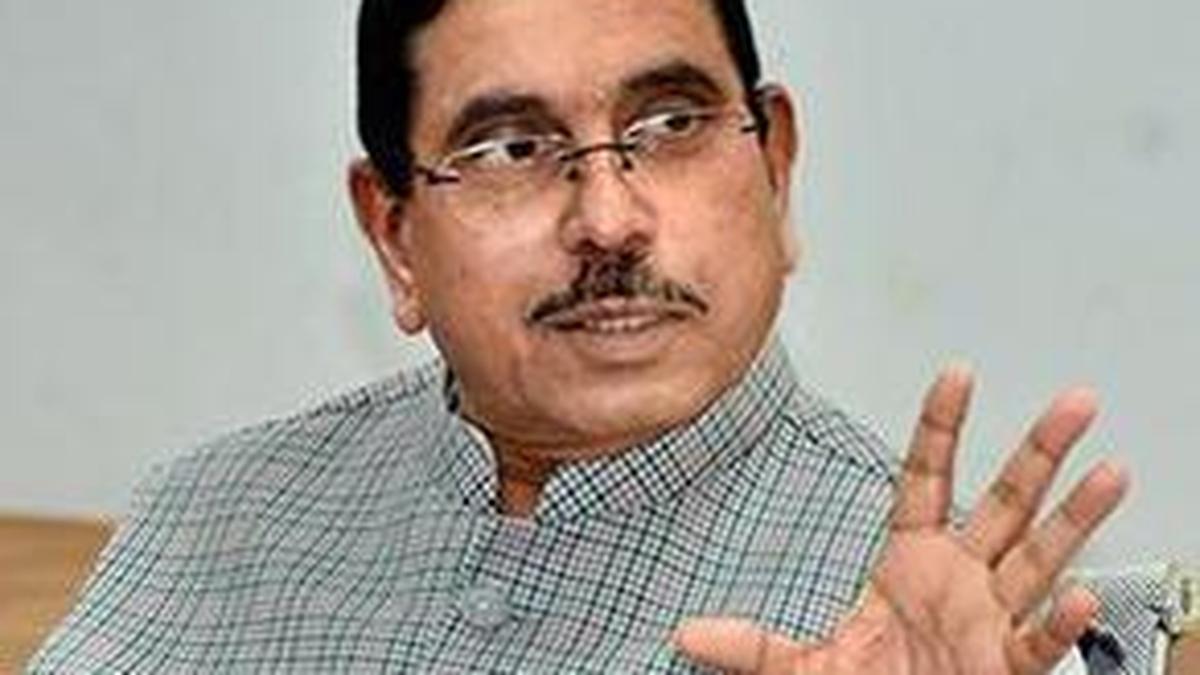
We have decided not to respond to his statement, says Central Minister
Political Friction: Analyzing the Clash Between Priyank Kharge and the Central Ministry
In a recent development highlighting the ongoing ideological battle in Indian politics, Central Minister Joshi has publicly dismissed statements made by Priyank Kharge regarding the Rashtriya Swayamsevak Sangh (RSS). Joshi characterized Kharge's comments not as a substantive critique, but as a calculated attempt to "gain media space." This exchange underscores the highly polarized nature of the current political landscape, where rhetoric often serves as a tool for visibility as much as for policy debate.
The Strategy of Media Visibility
The claim that a political leader is speaking primarily to attract media attention points to the modern "attention economy" within political communication. In a crowded news cycle, provocative statements against powerful organizations like the RSS often guarantee headlines and social media traction. By framing Kharge's comments as a bid for visibility, Minister Joshi is attempting to delegitimize the substance of the critique, shifting the narrative from the actual content of Kharge's words to the perceived motivation behind them.
The RSS as a Political Focal Point
To understand the weight of this clash, one must consider the role of the RSS in Indian socio-political discourse. As the ideological parent organization of the BJP, the RSS is frequently a primary target for opposition leaders, including those from the Congress party. Attacks on the RSS are often used by opposition figures to signal their ideological commitment to secularism or to challenge the governing party's core philosophy. Priyank Kharge, as a prominent voice in the Congress, fits into this broader strategic pattern of challenging the RSS to mobilize specific voter bases.
The Logic of Strategic Silence
One of the most notable aspects of this report is the decision by the Central Minister and his office to "not respond" to the specific statements made by Kharge. In political communication, this is known as strategic silence. By refusing to engage with the specifics of the accusation, the government avoids giving the opposition's claims more "oxygen" or legitimacy. When a leader decides that a statement is merely a ploy for media space, the most effective counter-strategy is often to deny the speaker the very engagement and visibility they are seeking.
Broader Implications and Future Trends
This interaction is indicative of a wider trend where political discourse is increasingly centered on the motivations of the speaker rather than the merits of the argument. As elections approach or political tensions rise, such skirmishes are likely to increase. We can expect a continuing cycle where opposition leaders use the RSS as a focal point for critique, while the ruling dispensation dismisses such claims as opportunistic or performative. This cycle reinforces the ideological divide and simplifies complex political debates into binary conflicts of "intent" versus "truth.
Summary
The clash between Priyank Kharge and Minister Joshi is a microcosm of the broader ideological war in India. While Kharge utilizes the RSS as a catalyst for political messaging, the Central Ministry has responded with a combination of dismissal and strategic silence, aiming to neutralize the impact of the statements by labeling them as media-seeking maneuvers.
Verification Required?