Project head arrested, safety officer booked in Pune building collapse case
Source Entity
The Indian Express
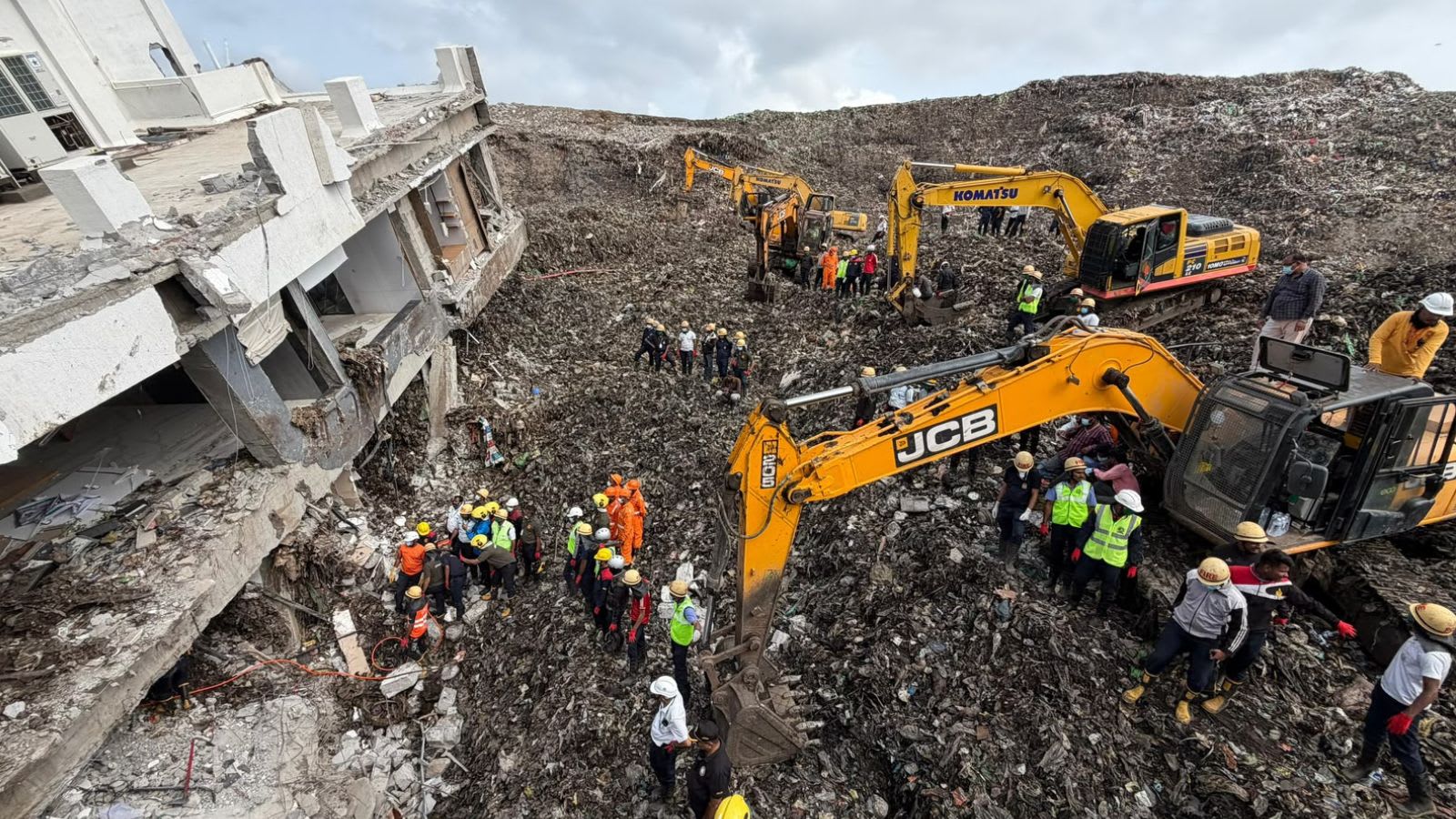
Twenty-three employees of Anthony Lara Renewable Energy Limited were inside the building on July 8, when a huge mound of waste collapsed on it. (File Photo) The Pimpri Chinchwad police have arrested ...
Industrial Negligence and Accountability: The Pune Building Collapse
On July 8, a catastrophic incident occurred at the premises of Anthony Lara Renewable Energy Limited in Pimpri Chinchwad, Pune, where a building housing 23 employees was struck by a massive mound of waste. The resulting collapse has sparked a significant legal response, with the Pimpri Chinchwad police taking decisive action by arresting the project head and booking the safety officer. This event highlights a critical failure in industrial safety protocols and waste management, raising urgent questions about the operational standards maintained by the company.
The Mechanics of the Disaster
The core of the tragedy lies in the precarious placement of a 'huge mound of waste' adjacent to an active workspace. In industrial settings, the stability of waste heaps—often consisting of construction debris, soil, or industrial byproducts—is subject to gravitational and environmental pressures. When such a mound collapses, it exerts immense lateral force that standard office or utility buildings are not designed to withstand. The fact that 23 employees were inside the building at the time of the collapse underscores a systemic failure in risk assessment, as the proximity of a hazardous waste pile to a populated structure represents a clear violation of basic safety zoning.
Legal Implications and Corporate Responsibility
The arrest of the project head and the booking of the safety officer signal that authorities are treating this not as a random accident, but as a case of criminal negligence. In the Indian legal framework, safety officers are mandated to conduct regular audits and ensure that workplace environments adhere to the Factories Act and other municipal safety codes. By booking the safety officer, the police are targeting the individual responsible for identifying and mitigating risks. Meanwhile, the arrest of the project head suggests a failure in top-down management, implying that warnings may have been ignored or that cost-cutting measures led to the unsafe storage of waste materials.
Broader Context of Industrial Safety in Pune
Pune, and specifically the Pimpri Chinchwad industrial belt, is a hub for manufacturing and energy sectors. However, rapid industrial expansion often outpaces the enforcement of safety regulations. This incident is symptomatic of a broader trend where companies prioritize project timelines over structural integrity and employee safety. The irony of this event is particularly sharp given that the company, Anthony Lara Renewable Energy Limited, operates in the 'green' sector; the collapse caused by waste accumulation contradicts the sustainable and safe image typically associated with renewable energy firms.
Potential Long-term Consequences
Following this incident, Anthony Lara Renewable Energy Limited is likely to face severe regulatory scrutiny, including potential shutdowns of site operations until a comprehensive safety audit is completed. Beyond the immediate legal battles, the company faces significant reputational damage. For employees and stakeholders, this event serves as a grim reminder of the dangers inherent in industrial sites where safety is treated as a formality rather than a priority. We can expect this case to prompt local municipal authorities to conduct wider inspections of waste disposal sites across the Pimpri Chinchwad industrial zone to prevent similar tragedies.
Summary of Findings
In conclusion, the building collapse at Anthony Lara Renewable Energy Limited was a preventable disaster rooted in poor site management. The immediate legal action against the project head and safety officer reflects a necessary push toward corporate accountability. To prevent future occurrences, there must be a shift toward rigorous adherence to safety blueprints and a total separation of waste management zones from employee workspaces. The tragedy serves as a cautionary tale for the industrial sector in India regarding the lethal cost of negligence.