FDA takes action against six food vendors at Pune’s Sinhagad road
Source Entity
The Indian Express
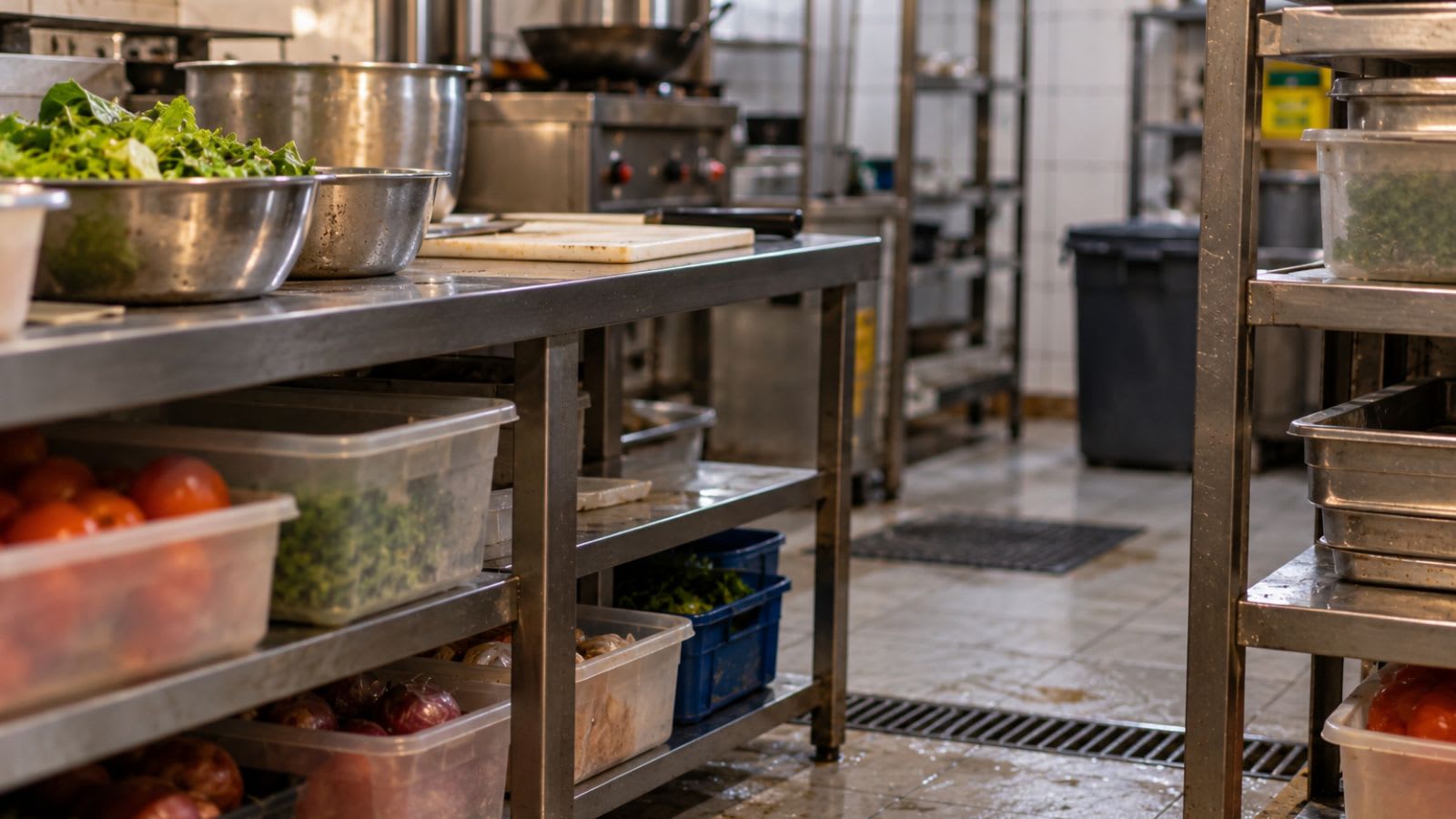
The Maharashtra FDA has launched a robust enforcement drive in Pune, shutting down 11 unlicensed street food stalls and seizing ₹50.27 lakh worth of suspected substandard edible oil from a major retailer. These actions fall under the 'Safe Food, Safe Maharashtra' campaign aimed at ensuring regulatory compliance and public health safety.
Pune FDA Intensifies Food Safety Crackdown
The Maharashtra Food and Drug Administration (FDA) has escalated its regulatory oversight in Pune, initiating a series of decisive actions against both street-side vendors and large-scale retail distributors. This surge in enforcement, conducted under the state government’s 'Safe food, safe Maharashtra' campaign, follows mounting public scrutiny regarding the consistency and efficacy of food safety inspections in the region.
Targeting Unlicensed Street Food Operators
In the Pune Camp area, authorities conducted inspections at Khau Galli on MG Road, resulting in 'stop business' notices for five establishments: Classic Club Sandwich, Shree Krishna Chole Bhature, A-1 Sandwich, Let’s Barbecue, and Shree Krishna Chowpatty. These vendors were found to be operating without the mandatory food safety licenses or registrations required by law. This action was mirrored on Sinhagad Road, where inspectors visited Manikbagh Khau Galli, finding six out of nine inspected vendors in violation of safety norms, leading to closure notices for establishments including Neelanka Rice Centre and Natural Fresh Juice Centre.
Large-Scale Seizures and Quality Concerns
Beyond the street food sector, the FDA has turned its attention to industrial-scale distribution. On November 17, 2026, authorities inspected a facility in Ambi village, Maval taluka, operated by Avenue Supermarts Limited, the parent company of the D-Mart retail chain. The inspection resulted in the seizure of 20,085 litres of edible oil, valued at ₹50.27 lakh. The stock was sequestered due to suspected violations concerning substandard quality and misbranding under the Food Safety and Standards Act.
Implications of Regulatory Rigor
The simultaneous crackdown on small-scale vendors and major retail entities signals a shift toward comprehensive oversight. By addressing both the informal economy—which often lacks formal infrastructure—and the organized retail sector, the FDA is attempting to mitigate health risks associated with unhygienic preparation and adulterated ingredients. The collection of nine samples from the seized oil stock suggests a rigorous, lab-based approach to enforcement that will likely determine future legal proceedings.
Future Trends in Food Safety
This trend of increased inspections is expected to continue as consumer awareness regarding food safety grows. For small vendors, the challenge lies in navigating the bureaucratic requirements for licensing, while for large retailers, the stakes involve significant financial losses and reputational damage. As the 'Safe food, safe Maharashtra' campaign progresses, it is likely that the FDA will maintain high-frequency monitoring to ensure that the standards of the Food Safety and Standards Act are upheld across all segments of the food supply chain.
Conclusion
The recent actions by the Pune FDA represent a critical effort to harmonize food safety compliance in a rapidly growing urban environment. By holding both small Khau Galli stalls and major retail chains accountable, the administration is reinforcing the necessity of regulatory adherence to protect public health.