PMC orders all departments to intensify drive against mosquito breeding
Source Entity
Latest News: Todays Latest News Headlines from India & World | Hindustan Times | Hindustan Times
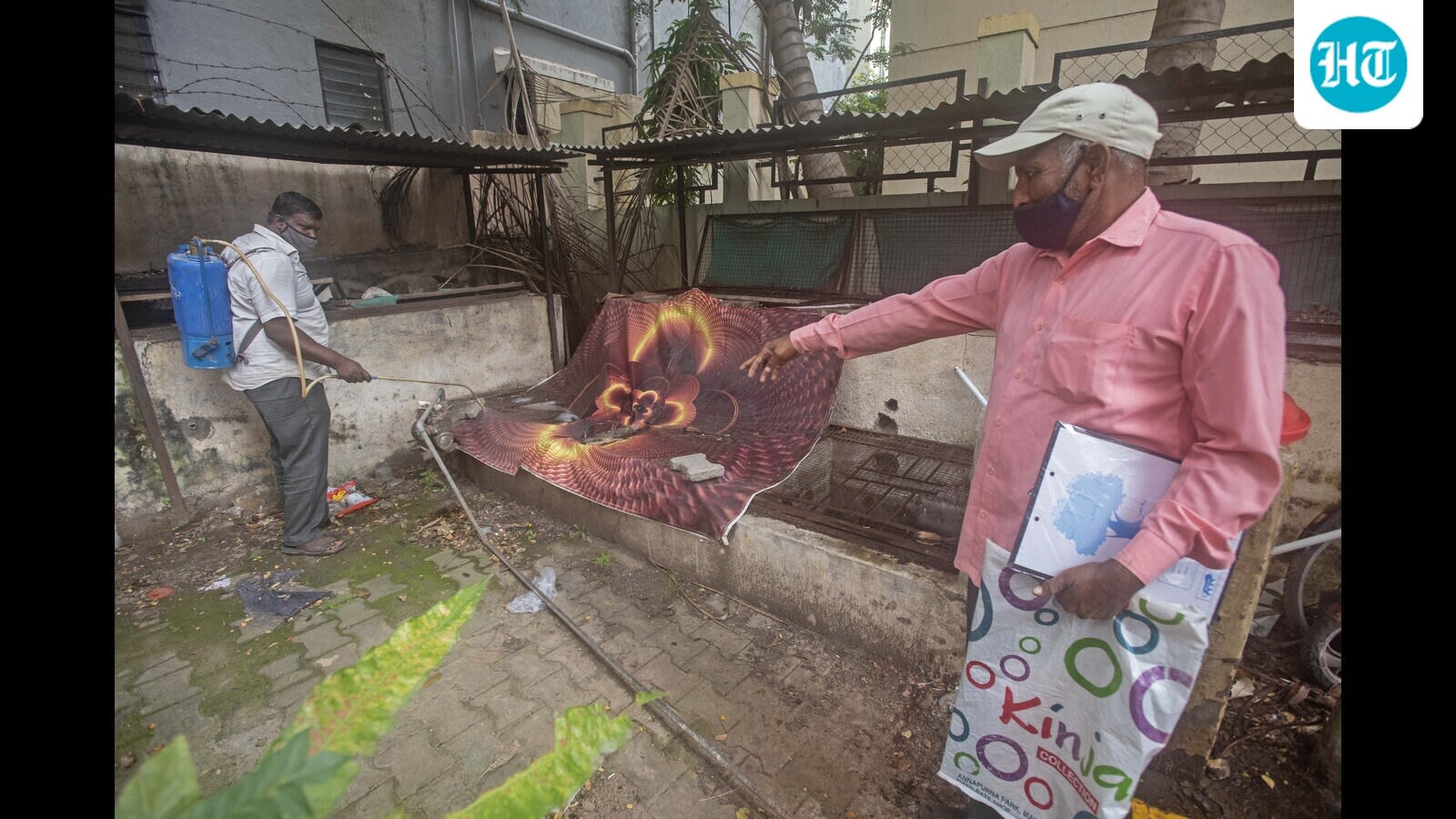
The Pune Municipal Corporation has launched an intensified anti-mosquito drive following a surge in dengue and chikungunya cases. Officials are mapping hotspots across 41 wards to curb vector-borne disease transmission during favorable weather conditions.
PMC Escalates Anti-Mosquito Campaign Amid Rising Vector-Borne Threats
The Pune Municipal Corporation (PMC) has officially mobilized all municipal departments to implement a rigorous anti-mosquito breeding campaign. This directive, issued by Additional Municipal Commissioner Pavneet Kaur, comes as a direct response to the current environmental conditions in Pune, which have proven highly conducive to the proliferation of vectors responsible for dengue, chikungunya, and malaria. By mandating a unified departmental approach, the city seeks to preemptively mitigate the risks posed by these pathogens before they reach epidemic levels.
Current Epidemiological Landscape
According to the latest data released by the PMC, the city has identified 1,155 suspected cases of dengue, with 47 cases definitively confirmed through laboratory testing at the National Institute of Virology. Furthermore, the report highlights the presence of 21 confirmed cases of chikungunya. These figures serve as a critical baseline for health authorities, indicating that while the confirmed case count remains manageable, the high number of suspected cases underscores a significant public health vulnerability that requires immediate intervention.
Strategic Data-Driven Response
In a recent meeting with senior civic officials, the PMC conducted a comprehensive review of comparative disease data spanning the last three years. This historical analysis is essential for identifying seasonal trends and patterns in disease transmission. By mapping the incidence of dengue, chikungunya, and malaria across all 41 municipal wards, the PMC is moving toward a highly targeted strategy. This granular approach allows the corporation to deploy resources and sanitation teams specifically to identified hotspots, ensuring that preventive measures like fogging and water stagnation removal are prioritized where they are most needed.
Broader Public Health Implications
Vector-borne diseases represent a recurring seasonal challenge for urban centers in India, often exacerbated by fluctuating weather patterns that create favorable breeding grounds in stagnant water. The PMC’s strategy reflects a proactive shift in municipal governance—moving from reactive healthcare to preventative sanitation. By involving all departments rather than relying solely on the health wing, the PMC aims to address structural issues such as waste management, drainage maintenance, and urban planning that contribute to mosquito proliferation.
Future Outlook and Preventive Measures
Looking ahead, the success of this campaign will depend heavily on the sustained collaboration between municipal departments and the local citizenry. As the PMC intensifies its drive, the focus remains on eliminating breeding sites and monitoring high-risk zones. The systematic mapping of the 41 wards provides a roadmap for long-term vector control. If the current trend of proactive surveillance and targeted sanitation continues, Pune may successfully contain the spread of these diseases, potentially reducing the burden on the city's healthcare infrastructure throughout the peak monsoon and post-monsoon seasons.
Verification Required?