Shivajinagar court attack: Police probe ‘supari’ for revenge killing, jailed teenager linked to pistols
Source Entity
The Indian Express
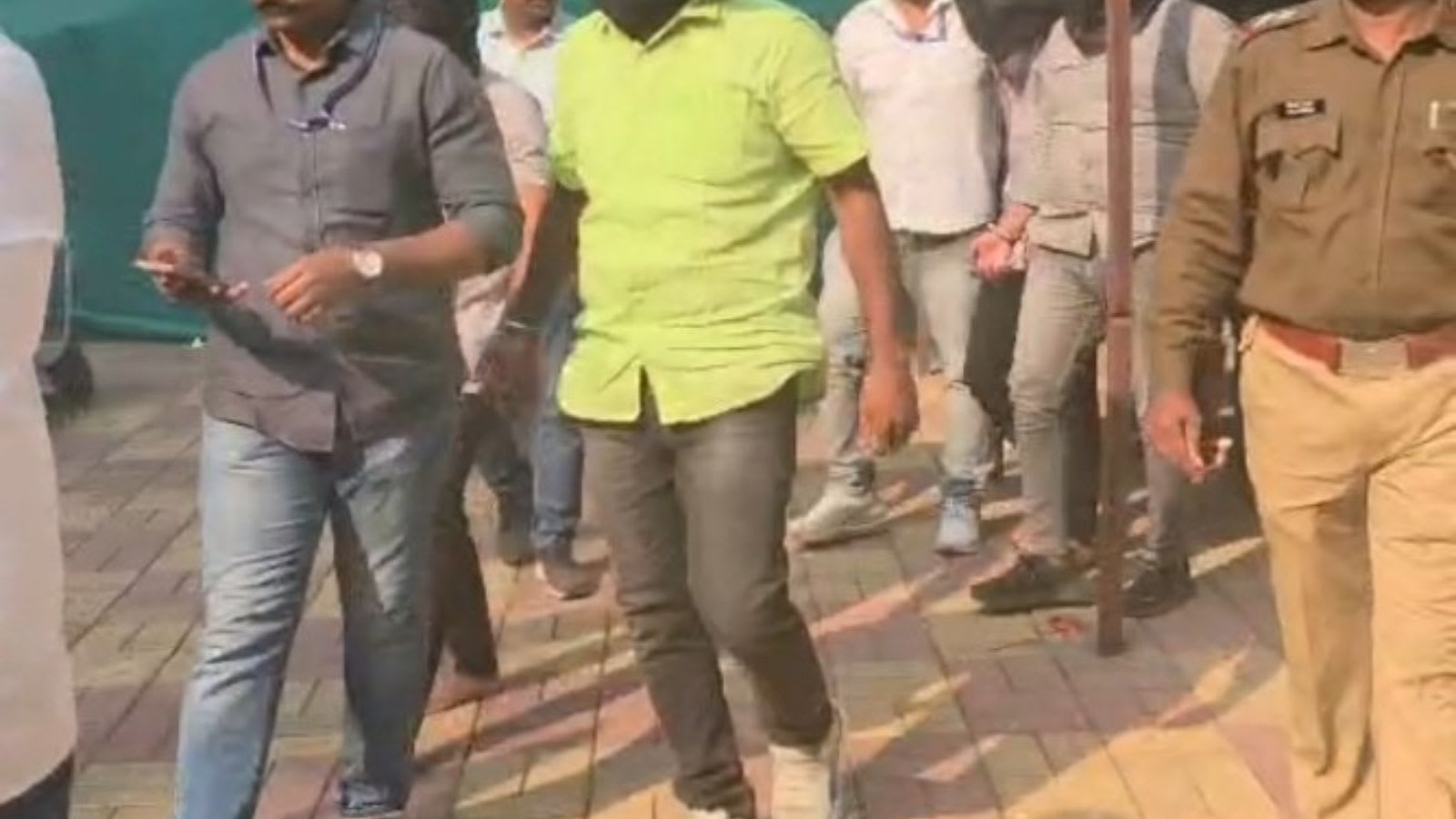
Pune police are investigating a revenge-motivated attack on a murder accused outside the Shivajinagar court. The probe involves links to a 'supari' contract and the involvement of a teenager currently in prison for supplying firearms.
Investigation into the Shivajinagar Court Attack
The recent violent incident outside the Pune District court in Shivajinagar has sent shockwaves through the local legal and law enforcement communities. The attack targeted 35-year-old Mandar Maruti Kiwale, a man already facing murder charges, who was assaulted in broad daylight in a highly public, sensitive area. Pune city police are currently treating this as a targeted act of retribution, focusing their investigation on the mechanics of a premeditated 'supari' (contract killing) plot.
The Motive: A Cycle of Retaliation
At the heart of the investigation is the motive of revenge. The primary accused, 20-year-old Akshay Subhash Chavan, is believed to have orchestrated the attack in response to the murder of his brother, Shubham Chavan. Shubham, who operated an eatery, was killed on April 20, 2025, following a dispute over a plot of land in Santosh Nagar. This sequence of events highlights the dangerous intersection of real estate disputes and the propensity for local criminal elements to bypass the judicial process in favor of street-level vigilante justice.
Criminal Network and Juvenile Involvement
One of the most alarming aspects of this investigation is the involvement of younger individuals in organized crime. Beyond the six adult men already arrested, police have detained a minor and are investigating the role of a teenager currently incarcerated in Yerwada prison. The fact that a jailed individual allegedly facilitated the procurement of firearms for an attack outside a courthouse suggests a sophisticated, albeit illicit, network that operates even from behind bars. This points to a significant failure in prison security protocols and the ease with which external criminal activities are being coordinated by inmates.
The 'Supari' Angle and Tactical Planning
Police reports indicate that the attack was not a spontaneous outburst but a planned operation involving a meeting at a local hotel. The mention of 'supari' money suggests that the accused may have hired external support or professionalized the hit to ensure success. By targeting Kiwale while he was attending court proceedings, the perpetrators deliberately chose a location that underscores a blatant disregard for law enforcement presence and judicial authority, turning a place of justice into a crime scene.
Broader Implications and Future Trends
This incident raises critical questions regarding witness protection and security measures at district court premises. If individuals can be targeted effectively while arriving at or leaving court, it erodes public confidence in the legal system’s ability to protect those within its jurisdiction. Furthermore, the reliance on teenagers and minors by established criminal syndicates indicates a trend of 'juvenilization' of crime, where younger individuals are used to carry out high-risk tasks, potentially to exploit legal protections afforded to minors. Moving forward, authorities will likely need to implement stricter surveillance and intelligence gathering to intercept such revenge-motivated plots before they manifest in public spaces.