Pune woman quits office job to build app connecting organic farmers with buyers
Source Entity
TOI LIFESTYLE DESK
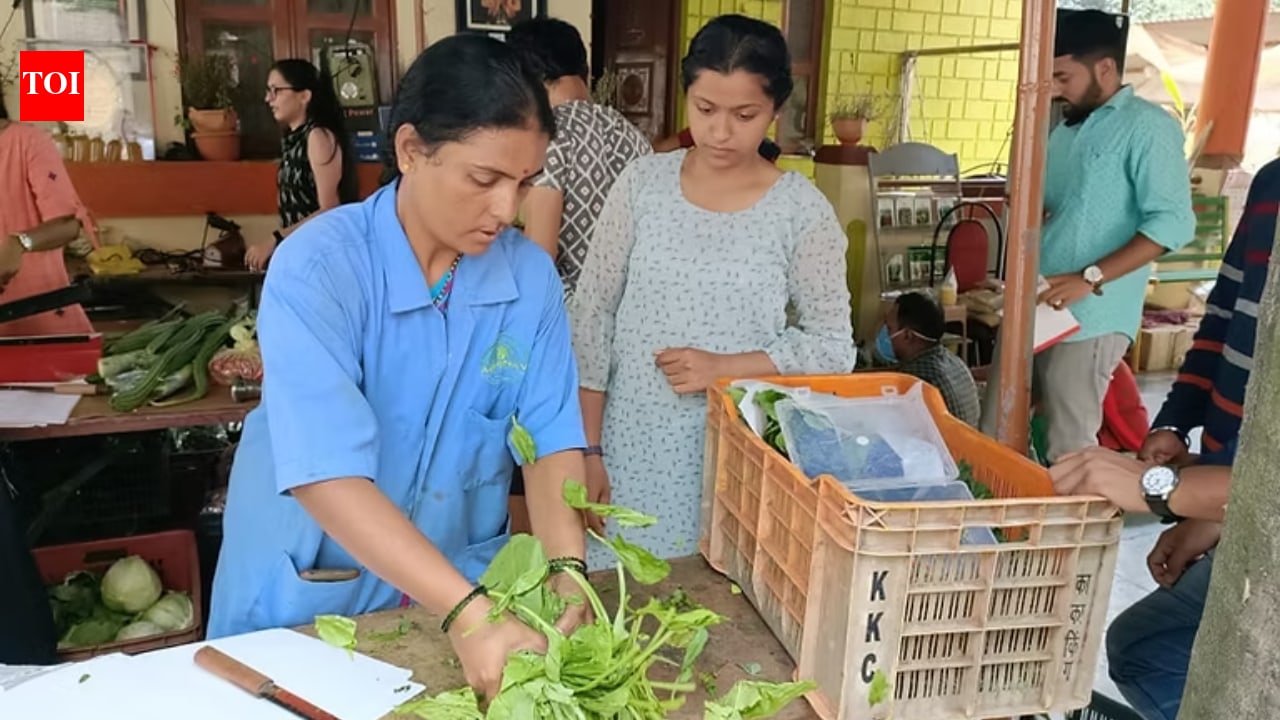
Priya Bodke, a 29-year-old from Maan village, left the IT sector to create an app connecting organic farmers directly with consumers. Her initiative supports local agriculture while empowering young women through technical training in app and web development.
Bridging the Gap: The Digital Transformation of Organic Farming
In a significant shift from the traditional corporate trajectory of Pune’s IT corridor, 29-year-old Priya Bodke has redefined professional success by pivoting from the tech sector to the agricultural fields of Maan village. Her transition represents a growing trend where young professionals leverage their technical expertise to modernize rural economies. By bypassing traditional intermediaries, Bodke’s initiative ensures that organic farmers receive a more equitable share of profits, directly addressing the systemic price exploitation often faced by small-scale growers.
Digital Infrastructure for Sustainable Agriculture
At the heart of Bodke’s enterprise is a sophisticated digital platform designed to streamline the supply chain between the farm and the table. By utilizing an app that hosts a diverse catalog of approximately 123 products—ranging from fresh seasonal vegetables to artisanal ghee—she has created a transparent marketplace. This digital storefront not only simplifies the logistics for the consumer but also provides farmers with predictable demand cycles, which is essential for maintaining the integrity of organic farming practices.
Empowering the Next Generation
Bodke’s commitment extends beyond mere distribution; she is actively fostering a culture of self-sufficiency within her community. By teaching local young women the intricacies of app development and web design, she is equipping them with future-proof skills that are rarely accessible in rural settings. This educational component is vital, as it transforms the community from passive participants in the digital economy into active creators and maintainers of their own technological tools.
The Socio-Economic Impact of 'Farm-to-Fork'
This model serves as a microcosm for broader agricultural reform in India. By integrating technology into the agricultural sector near a major IT hub like Hinjawadi, Bodke is effectively bridging the divide between urban consumption and rural production. This integration helps preserve organic farming traditions by making them economically viable, thereby preventing the migration of rural talent to urban centers in search of basic livelihood opportunities.
Future Trends and Sustainability
Looking ahead, the scalability of Bodke’s model suggests a promising future for regional agri-tech startups. As consumer demand for organic and locally-sourced produce continues to rise, platforms that emphasize direct-to-consumer interactions will likely become the standard. By proving that one can successfully combine software engineering with traditional farming, Bodke has established a replicable blueprint for sustainable community development that prioritizes both environmental health and economic welfare.