The Reasons Behind Bhagwant Mann's U-Turn On Chief Minister's Murder Convict Jagtar Singh Hawara
Source Entity
NDTV News Search Records Found 1000
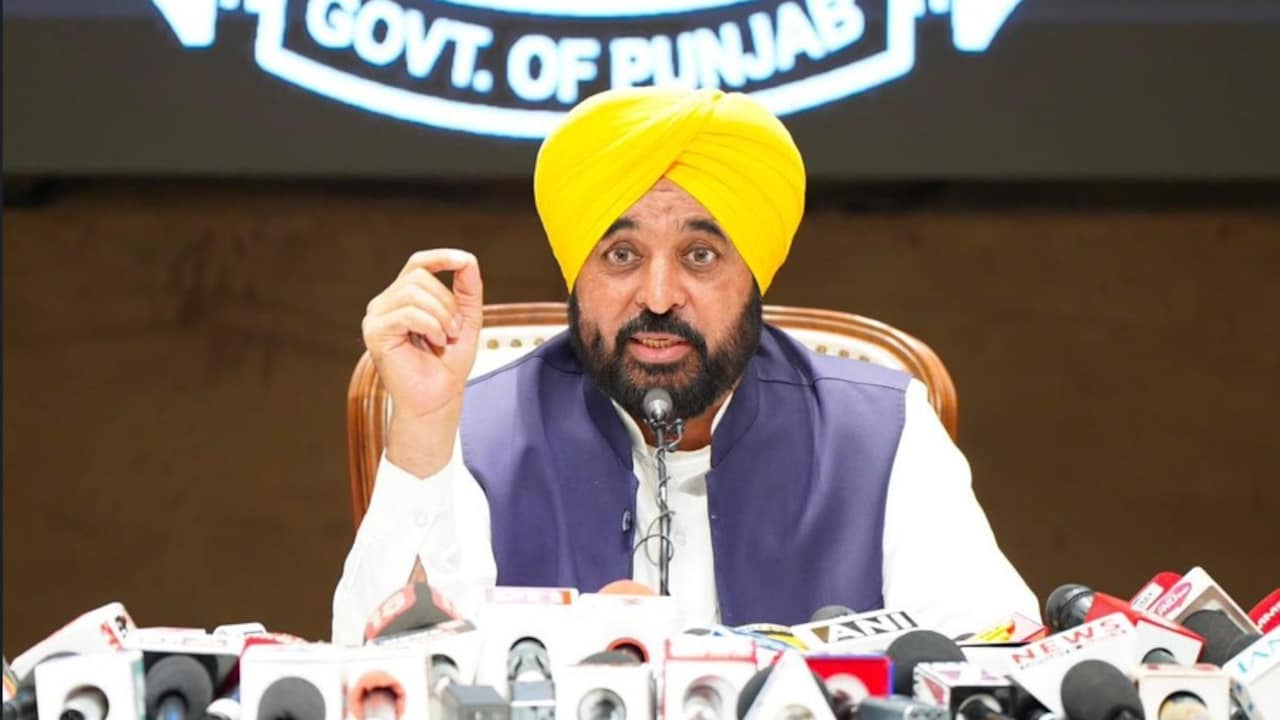
Punjab CM Bhagwant Mann has requested a 10-day parole for Jagtar Singh Hawara, who is serving a life term for the 1995 assassination of former CM Beant Singh. The move is viewed as a strategic political outreach to the panthic constituency amid shifting regional alliances.
The Strategic Pivot: Analyzing CM Mann's Parole Request for Jagtar Singh Hawara
A Departure from Precedent
In a move that marks a significant shift in Punjab's political landscape, Chief Minister Bhagwant Mann has formally written to Governor Gulab Chand Kataria to advocate for a 10-day parole for Jagtar Singh Hawara. Hawara is currently serving a life sentence for his involvement in the 1995 assassination of former Punjab Chief Minister Beant Singh. This development is historically unprecedented; it is the first time a sitting Chief Minister of Punjab has intervened to seek parole for the individual responsible for the death of a predecessor, highlighting the complex intersection of humanitarian appeal and political maneuvering.
Humanitarian Grounds and Legal Context
CM Mann’s petition is officially anchored in the declining health of Hawara’s elderly mother. By citing age-related health deterioration as the primary justification for this request, the state government attempts to frame the intervention within the scope of basic human rights and compassion. The CM’s communication to the Governor, who also serves as the Administrator of Chandigarh, references an ongoing petition filed by Hawara before the Punjab and Haryana High Court, suggesting that the government is looking to align its administrative stance with the legal process currently underway.
Navigating the Panthic Landscape
The decision to pursue this parole request is widely interpreted as a deliberate outreach to the 'panthic' belt—a critical electoral constituency in Punjab. By adopting a stance that resonates with segments of the population that have long advocated for the release or temporary relief of long-term prisoners, the Aam Aadmi Party (AAP) government appears to be attempting to consolidate its influence. This move is a clear signal that the administration is recalibrating its approach to sensitive issues that hold significant weight in the state's socio-political discourse.
The Shadow of Shifting Alliances
Political analysts point to the potential re-emergence of an Akali Dal-BJP alliance as a primary catalyst for this shift in policy. As the political climate in Punjab becomes increasingly fluid, the AAP government is likely seeking to preemptively strengthen its position by addressing issues that have historically been championed by opposition factions. By taking the initiative on this matter, CM Mann is attempting to neutralize potential narratives that could be used against his administration by rival parties looking to reclaim their traditional base.
Broader Implications for Governance
This development raises broader questions about the role of the Chief Minister in judicial and correctional matters. While parole is typically a matter of administrative and judicial discretion, the direct involvement of the state's highest executive office underscores the high-stakes nature of Punjab's political environment. The move reflects a broader trend where administrative decisions are increasingly influenced by the need to maintain political relevance and manage regional sentiments in a highly volatile political theater.
Conclusion: A Calculated Risk
Ultimately, the request for Jagtar Singh Hawara’s parole serves as a multifaceted instrument of statecraft. Whether this will lead to long-term political gains or provoke controversy remains to be seen. However, it is evident that the Mann administration is prioritizing strategic positioning in the face of evolving electoral threats, choosing to engage directly with the most sensitive aspects of Punjab's political history to maintain its grip on power.
Verification Required?