Advocate claims nerve damage post-surgery, gets Rs 20,000 compensation hike
Source Entity
Somya Tyagi
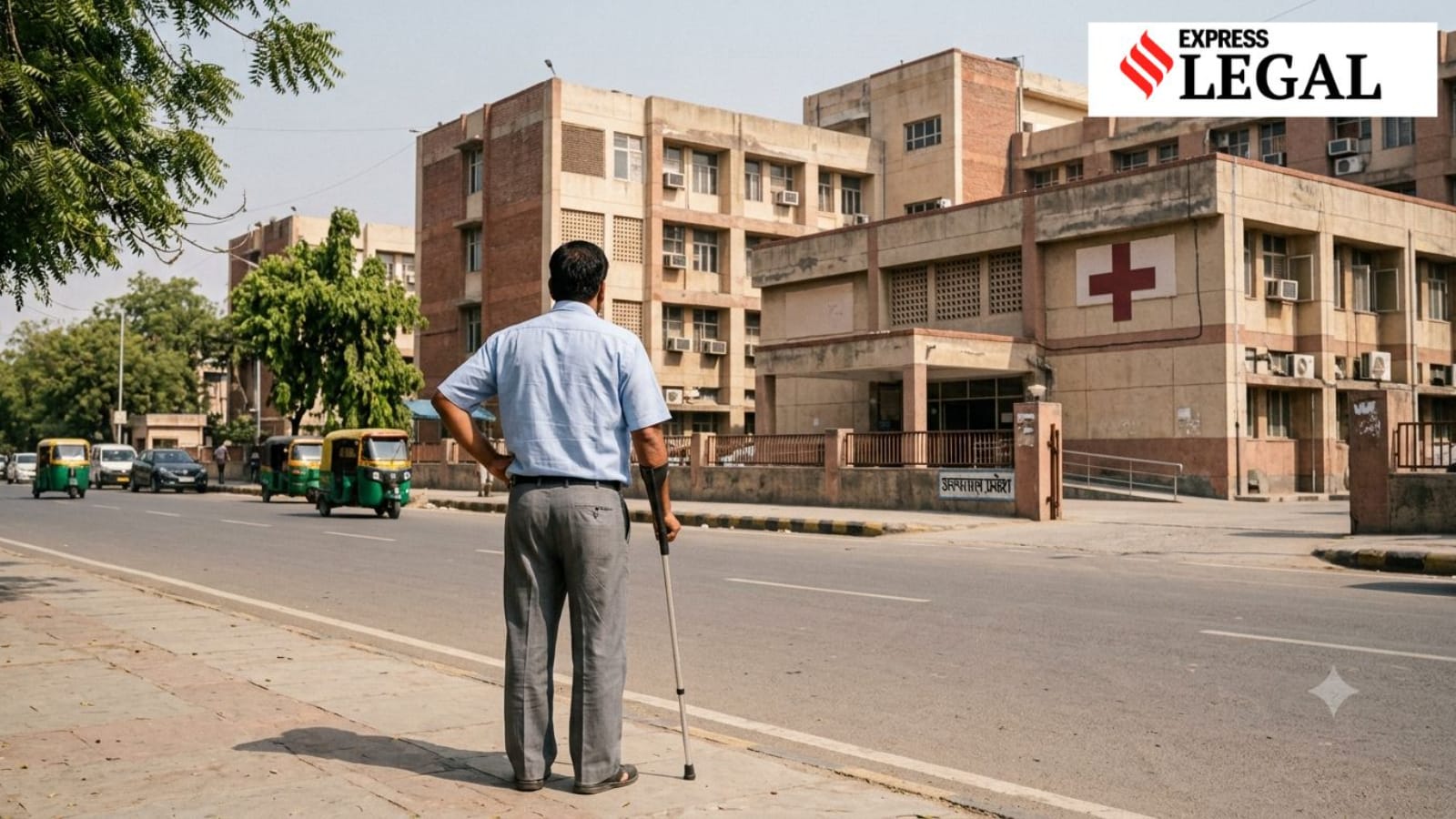
The Punjab State Consumer Disputes Redressal Commission has increased compensation for an advocate who suffered nerve damage following hip surgery. The ruling affirms medical negligence and highlights the commission's role in addressing service deficiencies.
Medical Negligence and Legal Accountability: A Case Analysis
The Ruling on Surgical Complications
The Punjab State Consumer Disputes Redressal Commission recently delivered a significant verdict concerning medical malpractice, specifically focusing on an instance of nerve damage following a left hip joint surgery. By presiding over an appeal filed by an advocate, the bench—comprising Presiding Judicial Member Harinderpal Singh Mahal and Member Kiran Sibal—re-examined the accountability of healthcare providers in cases where surgical outcomes deviate from standard expectations.
Upholding the Deficiency in Service
At the core of this legal dispute was the determination of "deficiency in service," a legal threshold that holds medical practitioners and hospitals responsible for lapses in care. The commission upheld the findings of the district commission, reinforcing the principle that medical professionals are obligated to exercise a reasonable degree of care and skill. The decision to maintain the liability findings underscores the judiciary's commitment to protecting patient rights when surgical procedures result in long-term physical impairment.
Enhancement of Compensation
The decision to raise the compensation from Rs 50,000 to Rs 70,000 represents a corrective measure by the State Commission. This adjustment acknowledges the multifaceted impact of the injury on the complainant, including the physical "disabling" effect of the nerve damage and the subsequent financial and personal hardship incurred while pursuing legal redress. It serves as a precedent for ensuring that compensation is not merely symbolic but reflective of the actual burden placed upon the patient.
Broader Implications for Healthcare Standards
This case highlights the critical intersection between judicial oversight and healthcare delivery. By scrutinizing surgical outcomes, the Commission acts as a safeguard against medical negligence. The ruling suggests a trend toward stricter accountability in the medical sector, compelling hospitals to maintain rigorous documentation and surgical protocols to mitigate the risk of post-operative complications such as nerve damage.
Conclusion and Future Trends
The enhancement of this compensation reflects an evolving legal landscape in India where consumer rights in the healthcare sector are increasingly prioritized. As patients become more aware of their rights, forums like the State Consumer Disputes Redressal Commission will likely see an uptick in litigation concerning surgical standards. This trend encourages a culture of transparency and meticulousness within medical institutions, ultimately aiming to improve patient safety and systemic reliability in surgical procedures.