Punjab farmers bring 4 lakh acre under Direct Seeded Rice; 36% jump over last year
Source Entity
Anju Agnihotri Chaba
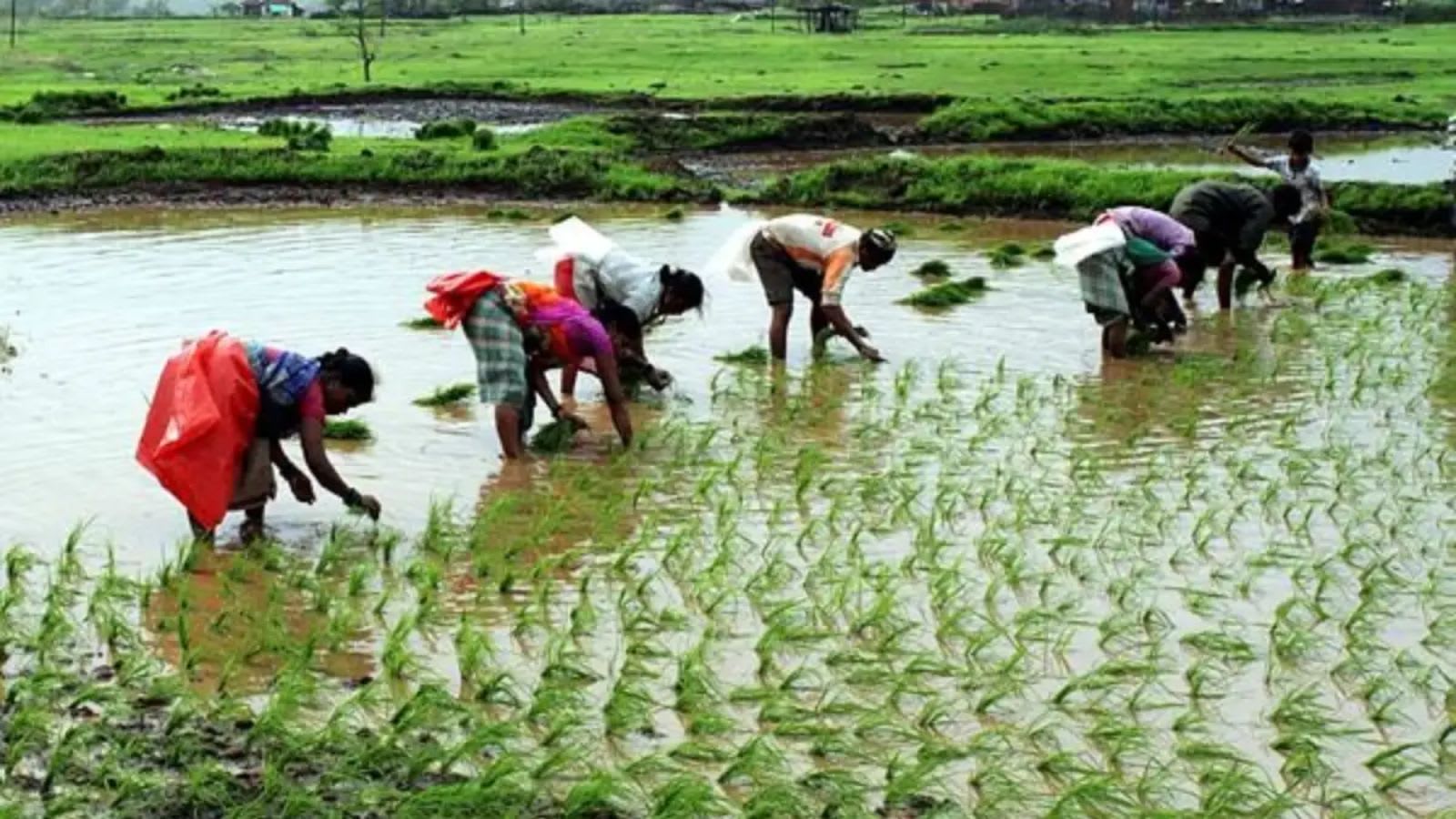
Punjab has recorded a 36% increase in the adoption of Direct Seeded Rice (DSR) for the 2026 Kharif season, with the area under this water-saving technique surpassing 4 lakh acres.
Punjab's Agricultural Pivot: The Surge in Direct Seeded Rice Adoption
Punjab, often referred to as the 'breadbasket of India,' is currently undergoing a critical transition in its paddy cultivation methods. The recent report that farmers have brought over 4 lakh acres under Direct Seeded Rice (DSR) in the 2026 Kharif season—a staggering 36% increase over the previous year—signals a growing recognition of the state's precarious environmental situation. This shift is not merely a change in farming technique but a strategic response to the looming crisis of groundwater depletion and the need for sustainable food production.
Understanding the DSR Advantage
To appreciate the significance of this 36% jump, one must understand the technical distinction between DSR and traditional transplanting. Traditional rice cultivation involves 'puddling,' where fields are flooded to create a muddy slurry into which seedlings are manually transplanted. This process is incredibly water-intensive and labor-heavy. In contrast, DSR involves sowing seeds directly into the soil, bypassing the nursery and transplanting phases. By eliminating the standing water requirement during the early growth stages, DSR significantly reduces the total volume of water needed per crop cycle, making it a vital tool for climate-resilient agriculture.
The Ecological Imperative: Combating Water Stress
The acceleration of DSR adoption is deeply rooted in the ecological distress of the Indo-Gangetic plain. Punjab has faced a chronic decline in its water table for decades, driven by the heavy reliance on tube wells for irrigation. The state's reliance on thirsty crops like paddy has led to 'dark zones' where groundwater is being extracted far faster than it can be recharged. The move toward 4 lakh acres of DSR represents a critical effort to mitigate this stress. Beyond water conservation, DSR also has a positive impact on greenhouse gas emissions; by reducing the duration of soil saturation, it lowers the production of methane, a potent greenhouse gas typically emitted by flooded paddy fields.
Economic Drivers and Labor Dynamics
From an economic perspective, the shift toward DSR is driven by the rising cost of agricultural labor. The traditional transplanting method requires a massive influx of seasonal labor, which has become increasingly scarce and expensive. By adopting direct seeding, farmers can significantly lower their labor expenditures and reduce the time spent in the field. However, this transition is not without its hurdles. DSR requires more stringent weed management, as the absence of standing water allows weeds to compete more effectively with the rice crop. The increase in adoption suggests that farmers are becoming more proficient in integrated weed management and are utilizing better machinery for precise seed placement.
Future Trends and Policy Implications
Looking ahead, the trend of increasing DSR acreage is likely to accelerate if supported by robust government policy and financial incentives. For the 4-lakh-acre milestone to scale into millions of acres, the state will need to invest in specialized seed drills and provide insurance buffers for farmers transitioning away from traditional methods. We can predict a future where DSR becomes the standard rather than the alternative, potentially paired with the introduction of short-duration rice varieties to further reduce water consumption and allow for better crop rotation with legumes or oilseeds.
Conclusion
The 36% increase in Direct Seeded Rice adoption in Punjab is a landmark indicator of a shifting agricultural paradigm. By breaching the 4-lakh-acre mark, Punjab's farming community is demonstrating a willingness to adapt to environmental realities. While challenges regarding weed control and yield stability remain, the move toward DSR is an essential step in ensuring that Punjab can continue to feed the nation without permanently exhausting its most precious natural resource: water.