‘I do not know who will light my funeral pyre’: Drug-hit families share tails of addiction, sorrow
Source Entity
Anju Agnihotri Chaba
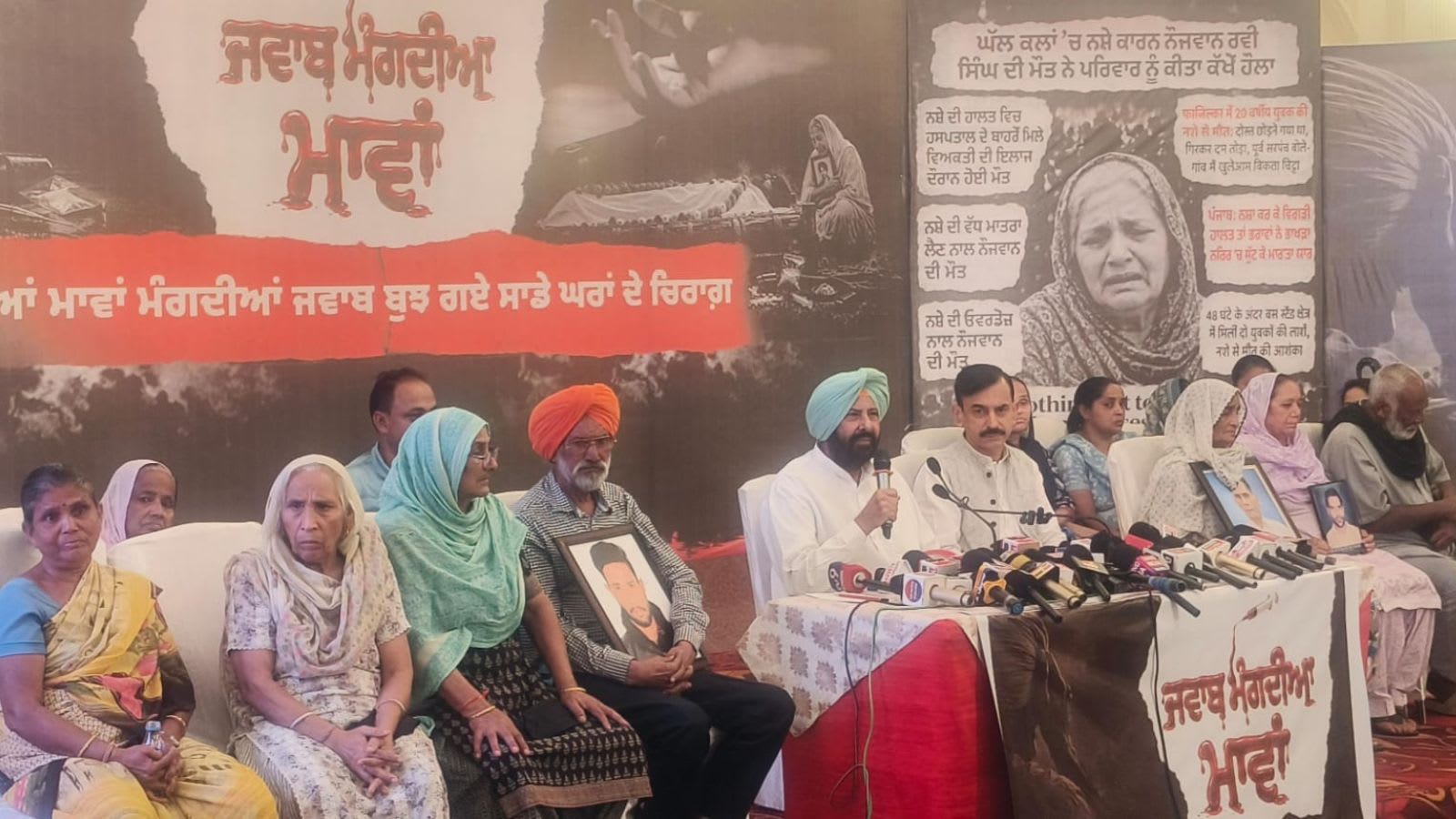
Families in Jalandhar, Punjab, shared harrowing accounts of losing loved ones to drug addiction during a BJP-led awareness campaign. These testimonies highlight the devastating social and economic toll the substance abuse crisis continues to exact on local households.
The Human Cost of Punjab's Drug Crisis
A Cycle of Despair
The recent testimonies shared in Jalandhar by families afflicted by drug abuse paint a harrowing portrait of generational trauma. The account of Ramesh, a resident of Bilga village, serves as a poignant microcosm of this wider tragedy. Having lost both sons and his wife to addiction, and suffering from personal health decline, his statement regarding his funeral pyre underscores the profound isolation felt by those left behind in the wake of the substance abuse epidemic that has plagued the region for years.
Economic and Social Erosion
Beyond the immediate loss of life, these narratives reveal the systemic destruction of the family unit. The accounts of lost savings and broken homes highlight how drug addiction functions as a poverty trap, stripping families of their financial stability and social support structures. When breadwinners or youth succumb to addiction, the remaining family members are often left destitute, seeking refuge in community institutions like gurdwaras, as illustrated by Ramesh’s experience.
The Political Response
These stories were brought to the forefront during a press conference held by Punjab BJP president Kewal Singh Dhillon and state media head Vineet Joshi. The event was part of the BJP’s 'Nasha Mukt Punjab Yatra,' a series of four awareness campaigns launched in September. This political engagement highlights the increasing pressure on state leadership to address the drug menace, positioning the issue as a central focus of public discourse and policy debate.
Societal Implications
The prevalence of these stories in Jalandhar confirms that the drug crisis is not merely a legal or law-enforcement issue but a deep-seated public health emergency. The struggle described by families to access treatment facilities suggests that existing rehabilitation frameworks may be insufficient or inaccessible to those most in need. Without robust intervention, the cycle of addiction threatens to continue eroding the social fabric of rural Punjab.
Future Trends and Outlook
The continued focus on this crisis through organized yatras suggests that the drug epidemic will remain a pivotal topic in Punjab's political landscape. Future efforts must likely move beyond awareness campaigns toward sustainable, long-term rehabilitation and economic support for affected families. Addressing the root causes—ranging from unemployment to the easy availability of substances—will be essential to preventing further tragedies like those recounted in Bilga village.
Conclusion
The testimonies from Jalandhar act as a sobering reminder of the human cost of the drug crisis. As the state grapples with the fallout, the voices of the families impacted provide a necessary, albeit painful, impetus for more comprehensive action, ensuring that the plight of those like Ramesh is not ignored by policymakers and the public alike.