Punjab to add 1,279 buses to govt fleet by year-end: Cheema
Source Entity
Latest News: Today's Latest News Headlines from India & World | Hindustan Times | Hindustan Times
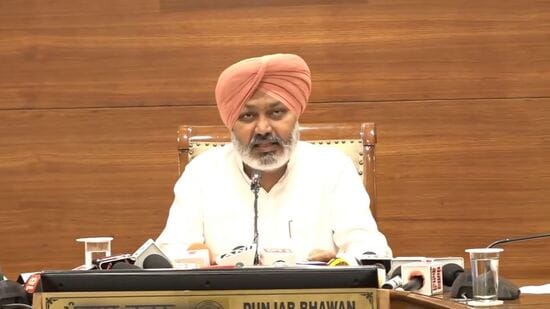
Cheema said the expansion would mark a 56% increase in Punjab’s fleet, claiming it to be the biggest expansion of government bus service in more than two decades
A Landmark Shift in Punjab's Public Transit
The Punjab government has announced a monumental shift in its public transportation strategy, signaling a major investment in state infrastructure. According to recent statements by Cheema, the state is poised to integrate 1,279 new buses into its government-operated fleet before the end of the current year. This move is not merely a routine update but a systemic attempt to revitalize the state's transit infrastructure, aiming to bridge the gap between urban centers and rural peripheries through enhanced mobility.
Analyzing the Scale of Expansion
The sheer magnitude of this initiative is underscored by the statistical impact: a 56% increase in the existing government bus fleet. Such a high percentage of growth suggests that the current fleet may have been under-resourced or insufficient to meet the growing demands of the state's population. By expanding the fleet by more than half, the government is making a clear commitment to increasing the frequency, reliability, and reach of public transit services, which is essential for maintaining economic momentum in a developing region.
Breaking a Two-Decade Stagnation
To understand the gravity of this announcement, one must consider the historical context provided by Cheema. This expansion is being framed as the largest increase in the government bus service in more than two decades. This implication suggests that for nearly twenty years, the state's public transport infrastructure has likely experienced periods of stagnation or gradual decline. Breaking a twenty-year trend of limited expansion signals a significant pivot in provincial policy and a renewed focus on public welfare through improved connectivity.
Socio-Economic Implications
The broader implications of this expansion are multi-faceted. Economically, improved public transport can facilitate better access to employment hubs for citizens living in remote areas, thereby stimulating local economies and increasing labor mobility. Socially, a robust bus network provides an essential service for students, elderly citizens, and low-income households who rely heavily on affordable mobility. By reducing the necessity for private vehicle ownership, the state may also see a long-term reduction in individual transport costs and traffic congestion.
Future Trends and Operational Challenges
Looking ahead, the success of this massive influx of vehicles will depend heavily on operational management and long-term maintenance. While adding 1,279 buses solves the immediate capacity issue, the government will face the challenge of ensuring these vehicles are well-maintained and that routes are optimized to serve high-demand areas effectively. Furthermore, as global trends move toward green energy, there will be increasing pressure on the Punjab government to eventually transition this expanded fleet toward electric or low-emission models to ensure environmental sustainability alongside economic growth.
Conclusion
In summary, the announcement of a 56% increase in Punjab's bus fleet marks a historic turning point for the state's infrastructure. By addressing a two-decade-long stagnation in service expansion, the government is attempting to set a new standard for public mobility. If executed effectively, this expansion could fundamentally transform how the people of Punjab travel, work, and connect with one another, providing a foundation for more inclusive regional growth.
Verification Required?