Bhagwant Mann’s ‘absent’ message at Punjab-Haryana Chief Justice oath
Source Entity
Jagpreet Singh Sandhu
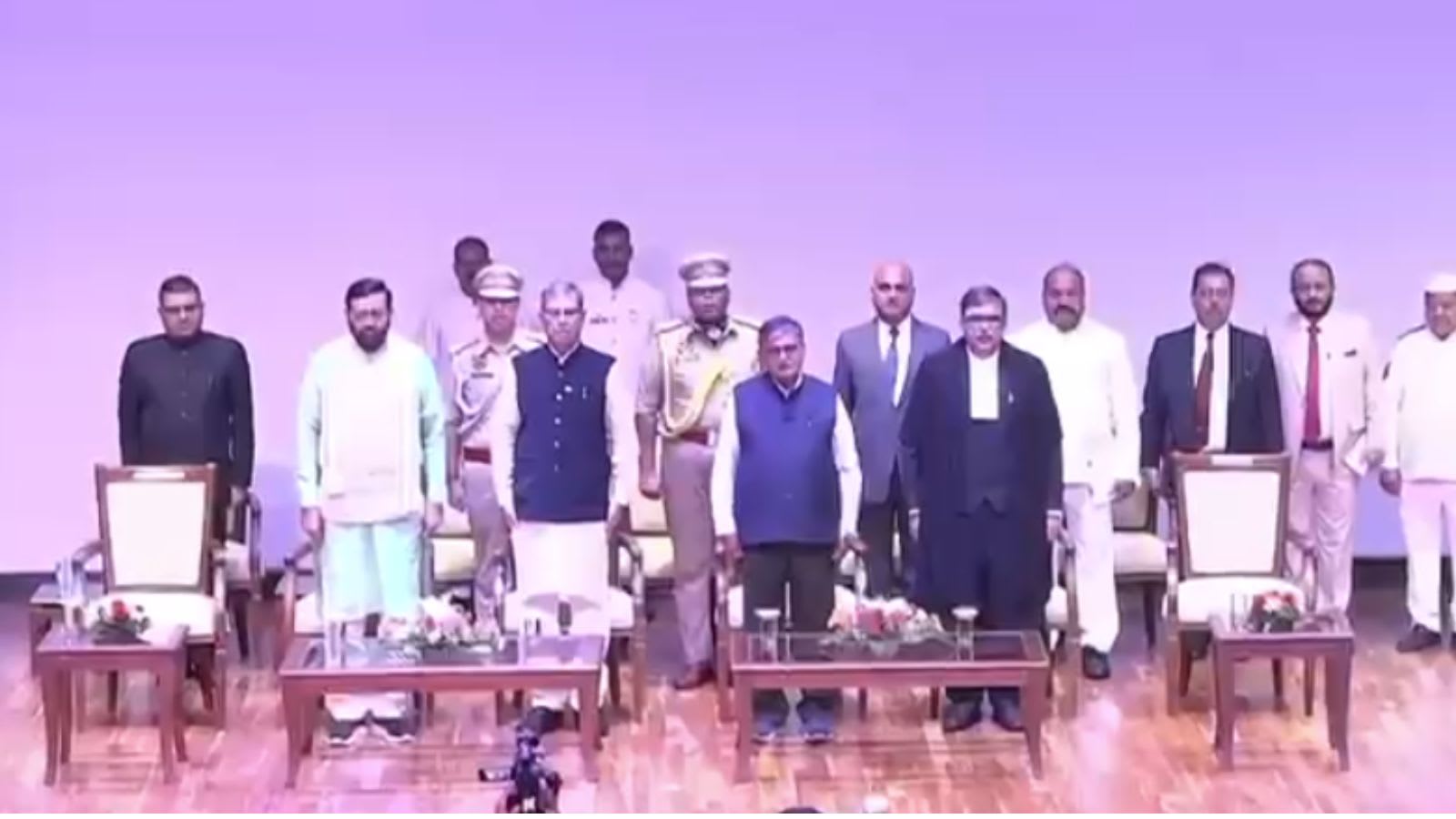
The Punjab government has formally opposed the Centre's appointment of Justice Ashwani Kumar Mishra as Chief Justice of the Punjab and Haryana High Court. CM Bhagwant Mann alleges a violation of constitutional norms and the Memorandum of Procedure due to a lack of state consultation.
Constitutional Conflict Over Judicial Appointments
The recent decision by the Punjab government to challenge the appointment of Justice Ashwani Kumar Mishra as the Chief Justice of the Punjab and Haryana High Court marks a significant escalation in the ongoing friction between state administration and the Union government. On September 6, 2026, the Punjab Cabinet, led by Chief Minister Bhagwant Mann, passed a formal resolution opposing the Centre’s notification. The core of the grievance lies in the assertion that the appointment was processed in haste, effectively bypassing the mandatory consultation process that the state government deems essential under constitutional norms.
The Alleged Procedural Breach
At the heart of the controversy is the Memorandum of Procedure (MoP), which governs the appointment of judges to the higher judiciary. The Punjab government contends that the Centre’s decision to notify the appointment—just a month after the Supreme Court Collegium’s recommendation—was an act of unilateralism. By not waiting for the state government’s views to be formally obtained and considered, the state cabinet argues that the Union government has ignored the established consultative framework that serves as a check and balance in the federal structure of Indian governance.
Executive Action and Diplomatic Appeals
Chief Minister Bhagwant Mann has taken the dispute directly to the highest offices in the nation, writing to President Droupadi Murmu and Prime Minister Narendra Modi. The state's demand is clear: the administration of the oath of office, scheduled for September 7, 2026, should be put on hold. By framing the appointment as an "assault on Punjab’s rights," the Chief Minister is signaling that this is not merely a procedural dispute but a matter of state sovereignty and the preservation of federal principles in judicial appointments.
Legal and Political Implications
While the Punjab government views this as a violation of procedural norms, the reaction from legal circles, including comments from Additional Solicitor General Satya Pal Jain, suggests that the Centre views the state's objection as an unnecessary interference. This incident highlights the inherent tension in the Indian judicial appointment system, where the executive and judiciary must balance the Collegium's recommendations with the administrative input of state governments. The debate underscores the lack of a strictly defined time limit for state responses in the current MoP, a loophole that is now at the center of this political standoff.
Historical Context and Future Precedent
Historically, disputes regarding the appointment of Chief Justices have often centered on the power dynamics between the Union and the States. When a state government publicly challenges an appointment of this magnitude, it risks setting a precedent that could either lead to a constitutional crisis or, conversely, force a reform in how the Memorandum of Procedure is interpreted and applied. If the Centre proceeds with the oath ceremony despite the state's resolution, it will likely deepen the political divide between the Punjab government and the Union, potentially leading to further legal challenges in the Supreme Court.
Conclusion
The standoff regarding Justice Ashwani Kumar Mishra’s appointment serves as a critical case study in federal-state relations. As the situation develops, the focus will remain on whether the constitutional necessity of state consultation is viewed as a mandatory procedural step or a discretionary administrative formality. For now, the impasse reflects a broader struggle over the boundaries of executive power and the protection of constitutional processes in the appointment of high-ranking judicial officials.