Putin braces for election stress test as Russians ‘feel the pain’ of struggling economy
Source Entity
US Top News and Analysis
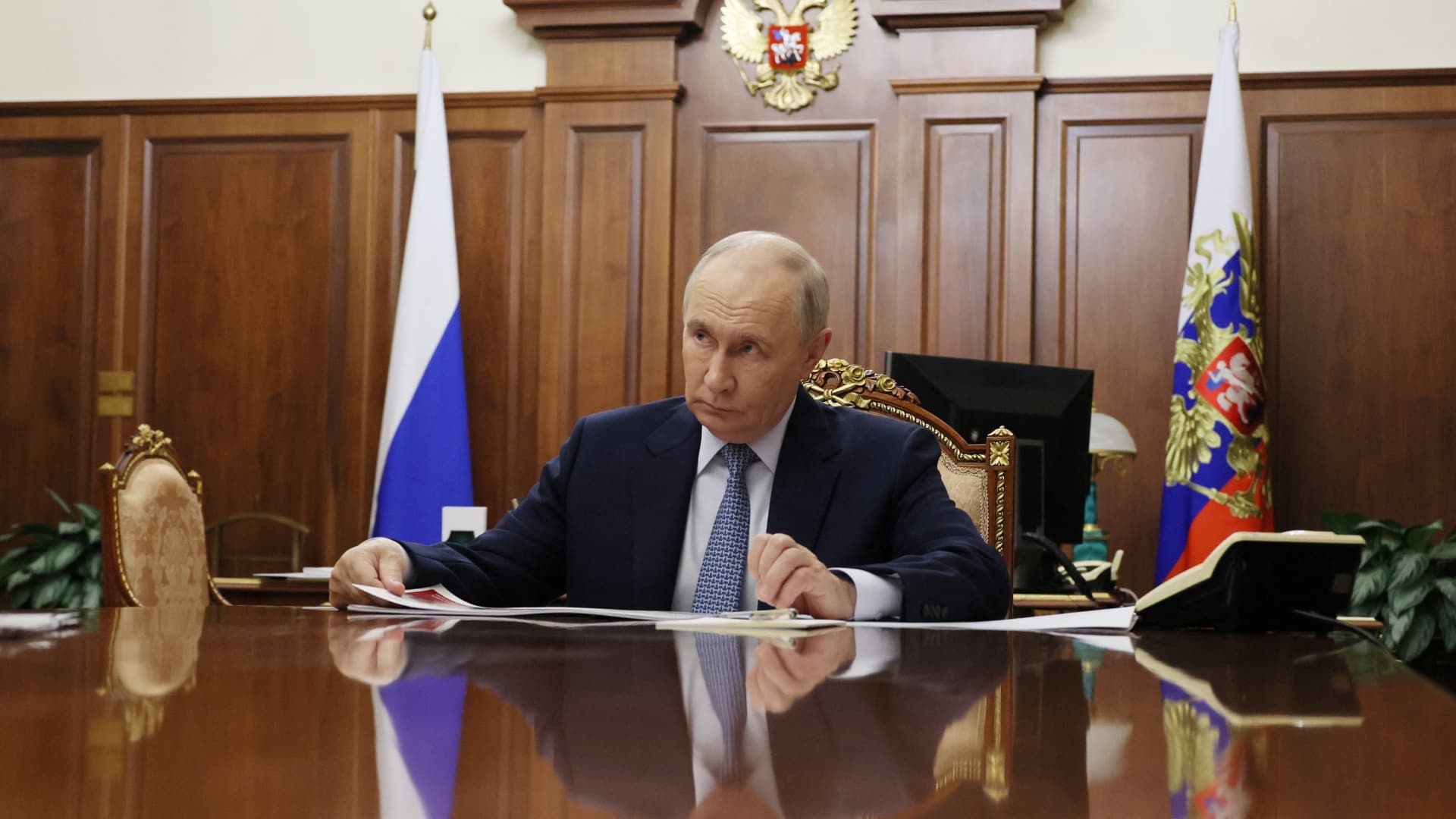
Russia's upcoming parliamentary elections serve as a critical test for President Vladimir Putin amidst economic strain. While the ruling United Russia party is expected to retain control, observers are monitoring turnout as a proxy for public dissatisfaction.
The Kremlin’s Electoral Stress Test
As Russia prepares for its first parliamentary election since the 2022 invasion of Ukraine, President Vladimir Putin faces a complex political landscape. The three-day voting period, scheduled to run from Friday to Sunday, represents a significant stress test for the administration. While the legislative outcome—the continued dominance of the United Russia party in the 450-seat State Duma—is largely considered a foregone conclusion, the underlying metrics of the election carry profound implications for the regime's stability.
Economic Pressures and Voter Sentiment
The backdrop of this election is defined by the tangible 'pain' of a struggling economy, a sentiment that has permeated the Russian electorate as the war continues to drain state resources. Reports indicate that the Kremlin is hyper-aware of the potential for this economic anxiety to manifest in ways that challenge the state's narrative. Despite the tightly controlled nature of the political environment, the government’s recent engagement with consumer rights watchdogs, such as the meeting between Putin and the head of Rospotrebnadzor, underscores a strategic effort to address domestic grievances before they influence the ballot box.
The Significance of Turnout Metrics
In a system where the opposition is marginalized and the legislative results are effectively predetermined, voter turnout becomes the most critical barometer for political analysts and Kremlin observers. High turnout is typically utilized by the state to project legitimacy and broad-based public support for its wartime policies. Conversely, any observable apathy or low participation could be interpreted as a silent protest against the ongoing conflict and the deteriorating economic conditions, forcing the Kremlin to adjust its internal messaging.
Maintaining the Status Quo
The United Russia party, which functions as the primary vehicle for the Kremlin’s legislative agenda, is expected to secure a comfortable majority. Historically, the State Duma has served as a rubber-stamp body for presidential decrees, particularly in the context of the 'special military operation.' By maintaining this dominance, the administration ensures that there is no meaningful legislative opposition to the government's fiscal or military strategies in the coming years.
Future Implications and Trends
Looking ahead, the results of this election will likely inform the Kremlin’s strategy for managing domestic dissent. If the election demonstrates that the public remains largely compliant despite economic hardship, the government may feel emboldened to deepen its current wartime policies. However, if the data suggests that the 'pain' of the economy is beginning to erode the social contract, we may see the Kremlin pivot toward more aggressive populist measures or increased domestic surveillance to maintain order. The stability of the Russian political apparatus remains inextricably linked to its ability to manage these competing pressures in the face of continued international isolation.