European Troop Deployment In Ukraine Would Be "War Against Russia": Putin
Source Entity
NDTV News Search Records Found 1000
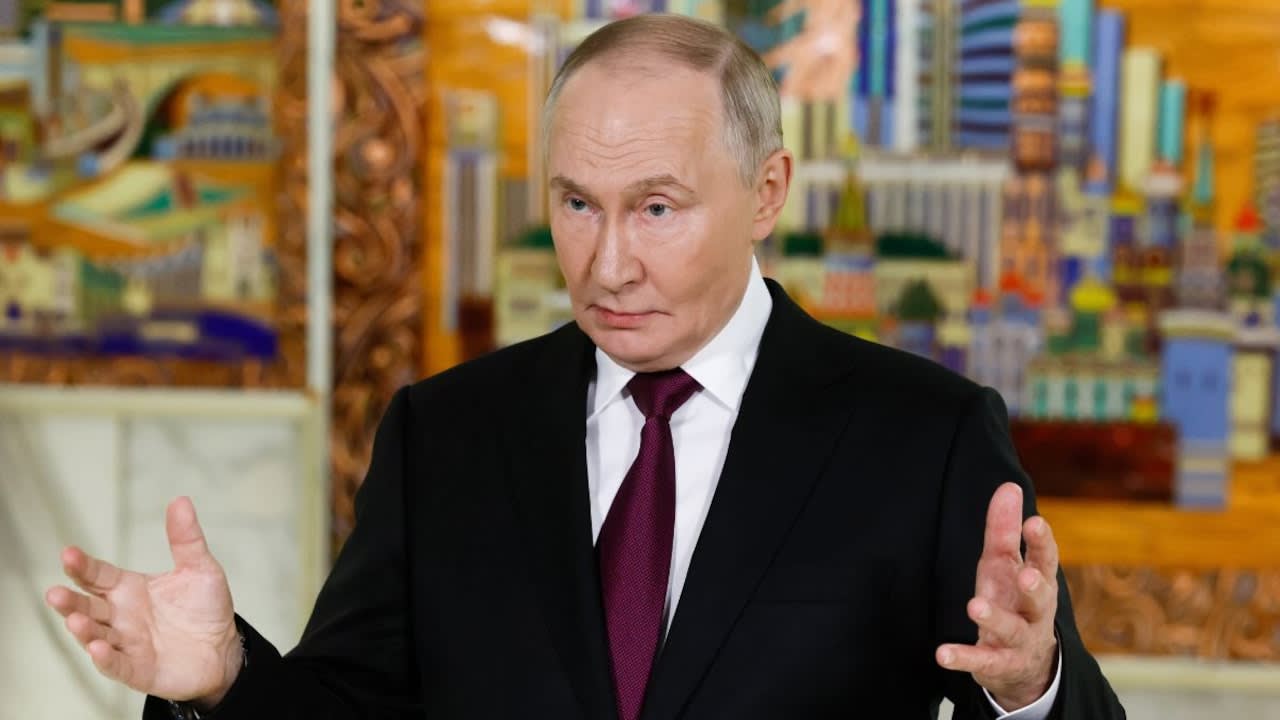
Russian President Vladimir Putin has issued a stern warning that any deployment of European troops to Ukraine would equate to a direct war against Russia. He dismissed concerns regarding Russian aggression as an imaginary threat manufactured by European leaders to alarm their citizens.
Tensions Escalate: Putin’s Stance on European Intervention
Russian President Vladimir Putin recently issued a stark warning regarding the potential involvement of European military forces in the ongoing conflict in Ukraine. By labeling any formal deployment of EU troops as a declaration of war against Russia, the Kremlin has significantly raised the stakes of the geopolitical standoff. This rhetoric serves as a clear red line, intended to deter Western nations from escalating their military involvement beyond current support measures.
The Rhetoric of the 'Imaginary Threat'
Central to Putin’s recent statements is the assertion that European leaders are deliberately misleading their domestic populations. By claiming that the threat of Russian expansionism is entirely 'imaginary,' the Russian leadership is attempting to undermine the narrative of collective security that currently dominates EU policy. This strategy aims to fracture European unity by suggesting that government officials are manufacturing fear to justify increased defense spending and interventionist policies.
Geopolitical Implications of Troop Deployment
If European nations were to consider direct troop deployment, the implications would be profound. Historically, the involvement of foreign military personnel in a conflict involving a nuclear-armed power risks rapid escalation. Putin’s warning is designed to force European leaders to weigh the domestic political costs of war against the strategic benefits of supporting Ukraine on the battlefield, effectively framing the debate as a choice between peace and a direct, catastrophic confrontation.
Historical Context and Strategic Signaling
This rhetoric fits into a broader pattern of Russian signaling that emphasizes the concept of 'spheres of influence.' By framing Western intervention as an existential threat, the Kremlin seeks to delegitimize the sovereign decisions of European nations to form alliances or provide military assistance. The historical memory of conflict on European soil is being leveraged here to sow discord and stall momentum for deeper military integration between Ukraine and its Western partners.
Future Trends in European Security
Looking ahead, this diplomatic friction suggests that the gap between Western strategic interests and Russian red lines will continue to widen. While European nations have maintained that their support is essential to regional stability, the explicit threat from Moscow suggests a hardening of positions. Future trends will likely see a reliance on 'gray zone' tactics, where both sides push the boundaries of indirect support without crossing the threshold into direct, declared warfare, keeping the region in a state of high-tension uncertainty.
Verification Required?