CJI asks petitioners to fix defects after SC flags 14 in INDIA bloc plea against CEC
Source Entity
ABHISHEK MISHRA
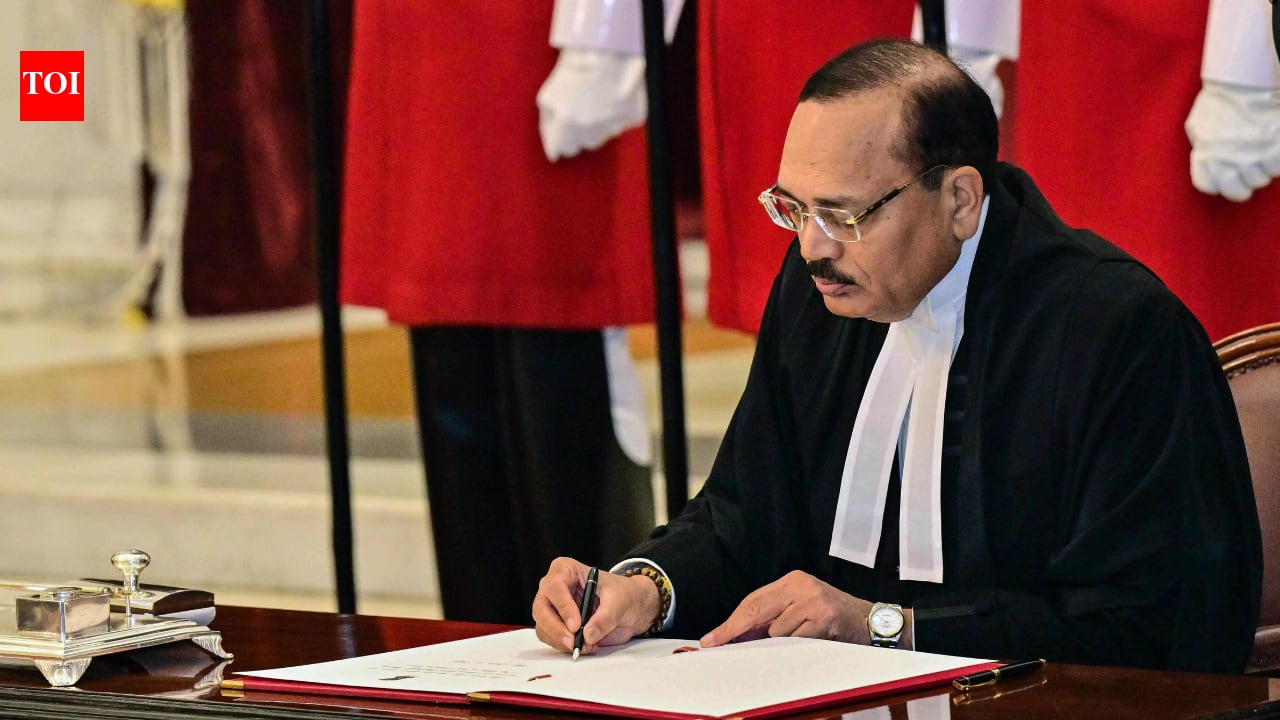
Leader of Opposition Rahul Gandhi and the INDIA bloc have petitioned the Supreme Court to investigate alleged discrepancies in voter deletions during the Special Intensive Revision (SIR) process. The petition seeks an independent probe and access to official ECI records regarding their decision-making mechanisms.
Legal Challenge Against the Election Commission
Leader of Opposition Rahul Gandhi, supported by a coalition of 10 leaders from the INDIA bloc, has officially filed a petition in the Supreme Court of India challenging the integrity of the Special Intensive Revision (SIR) process. This move marks a significant escalation in the ongoing friction between the political opposition and the Election Commission of India (ECI), centering on allegations of systemic discrepancies in voter deletions.
The Core Allegations and Procedural Demands
The petition, filed on October 12, 2026, specifically targets the ECI and its top leadership, including Chief Election Commissioner Gyanesh Kumar and Commissioners Sukhbir Singh Sandhu and Vivek Joshi. Beyond merely citing the deletions, the petitioners are demanding that the Supreme Court summon all official records and internal notings pertaining to the SIR process. By doing so, the opposition seeks to illuminate the decision-making chain of command within the constitutional body responsible for India's democratic exercises.
Call for an Independent Oversight Committee
A central feature of this legal challenge is the request for the formation of an independent committee to investigate the ECI's internal processes. Rahul Gandhi and the INDIA bloc leaders—including Mallikarjun Kharge, Akhilesh Yadav, and others—argue that the current mechanisms, particularly the online voter registration systems like the ECINet portal, require a comprehensive judicial re-look. This demand suggests a lack of confidence in the internal auditing mechanisms currently employed by the commission.
Broader Implications for Electoral Integrity
The implications of this petition extend far beyond a single administrative revision. In a democracy, the voter list serves as the bedrock of legitimacy. When the opposition coalition formally challenges the ECI in the highest court of the land, it highlights deep-seated anxieties regarding the transparency of electoral management. The outcome of this hearing will likely set a precedent for how the judiciary interacts with the ECI when electoral processes are questioned by major political stakeholders.
Examining the Role of Technology in Democracy
The petition specifically references the ECINet portal and digital registration services, signaling a shift in the focus of political litigation. As electoral systems transition toward digital platforms, the 'black box' nature of algorithmic or administrative decision-making becomes a flashpoint for controversy. The Supreme Court's intervention will determine whether the ECI must provide greater transparency regarding the technical and administrative criteria used to delete voters from rolls during the SIR.
Future Trends in Election Oversight
Looking ahead, this case is poised to become a landmark in Indian constitutional history. If the Supreme Court mandates the disclosure of official ECI notings, it could usher in a new era of administrative accountability for the commission. Conversely, a dismissal could reinforce the existing autonomy of the ECI. Regardless of the immediate verdict, the fact that the Leader of Opposition has taken this step underscores a growing trend of utilizing the judiciary to safeguard against alleged administrative overreach in electoral management.
Multiple Citing Sources