‘Pak fan boy’: BJP hits out at Rahul Gandhi for describing India as ‘side player’ in global affairs
Source Entity
Latest News: Todays Latest News Headlines from India & World | Hindustan Times
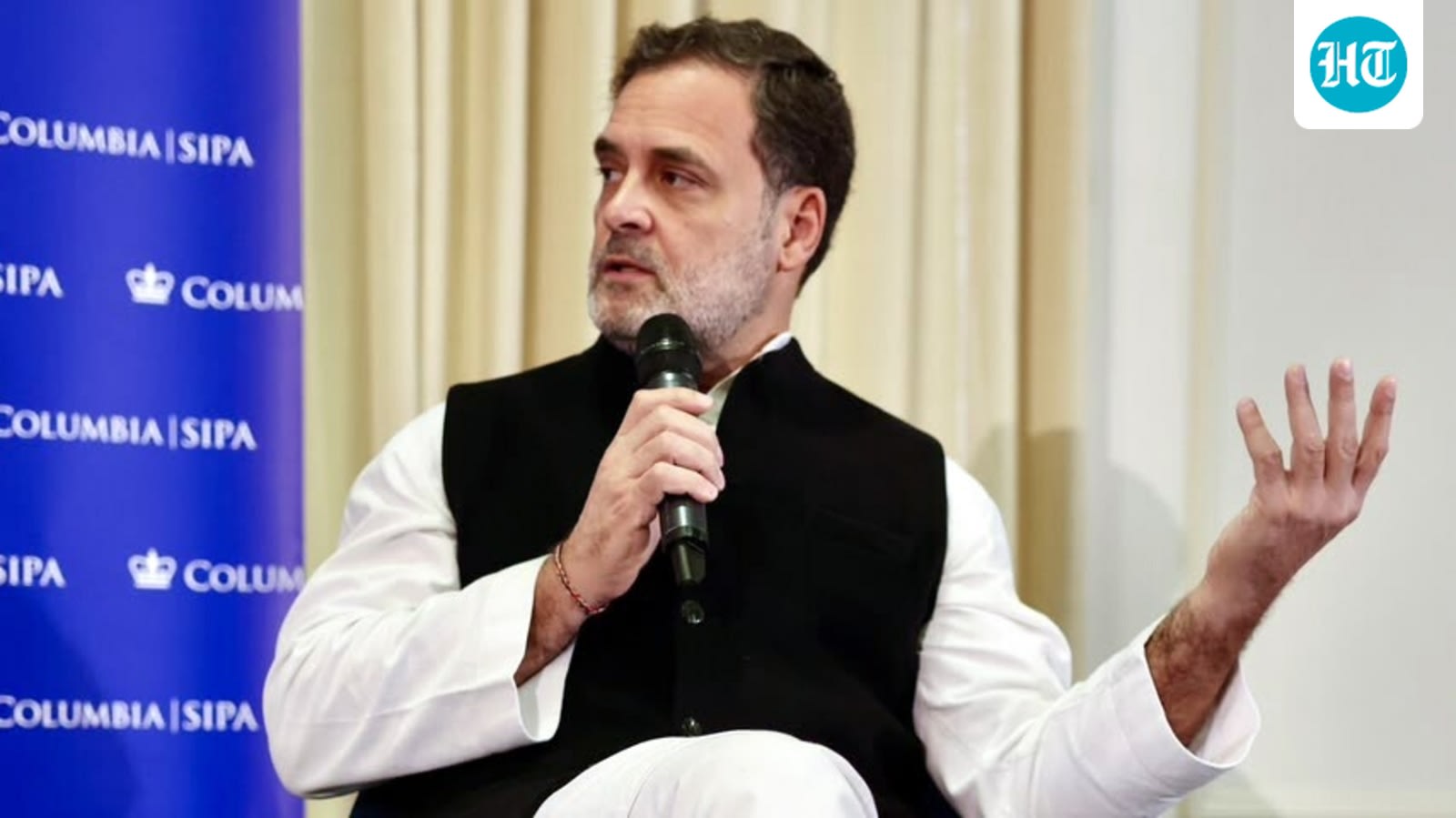
Rahul Gandhi's recent comments at the University of Chicago regarding India-Pakistan relations and India's global standing have sparked a sharp political backlash. While Gandhi emphasized that terror must cease for talks to resume, the BJP has accused him of undermining India's foreign policy and being obsessed with Pakistan.
The Geopolitical Discourse: Rahul Gandhi’s US Interaction
Recent remarks by the Leader of the Opposition (LoP) in the Lok Sabha, Rahul Gandhi, during an interaction at the University of Chicago, have ignited a significant political firestorm. When questioned by a Pakistani national regarding the potential for normalized relations between India and Pakistan, Gandhi articulated a conditional stance: he stated that while cooperation is possible, it is contingent upon Islamabad ceasing its support for terrorism. He emphasized that as long as innocent lives are lost to terror, bilateral dialogue remains an impossibility.
The Criticism from the Ruling Party
The Bharatiya Janata Party (BJP) responded with intense scrutiny of Gandhi’s foreign policy outreach. BJP national spokesperson Pradeep Bhandari characterized Gandhi as a "Pak Fan Boy," alleging that his commentary on the international stage consistently prioritizes or "idolizes" Pakistan. This critique posits that Gandhi’s rhetoric is not merely a policy disagreement but a reflection of a deeper, misplaced obsession that detracts from India’s actual diplomatic achievements.
Divergent Views on India’s Global Standing
A central point of contention in this exchange is Gandhi’s assessment of India’s current role in global affairs. During the same interaction, Gandhi reportedly described India as a "side player" on the world stage, advocating for a more robust and proactive relationship with major powers like the US, Russia, and China. This characterization has been met with significant pushback from the government, which views such comments as a disparagement of India's growing influence and strategic autonomy.
Diplomacy and National Sovereignty
The BJP has further challenged Gandhi’s narrative by highlighting India's successful diplomatic initiatives, particularly regarding the Russia-Ukraine conflict. Spokespersons like CR Kesavan and Pradeep Bhandari argued that Gandhi’s focus on Pakistan causes him to overlook India's recognized peace efforts. They claim that his rhetoric is a "malicious attempt" to diminish the current administration's successes and that his historical political lineage, specifically referencing the UPA era, is tainted by compromises to national sovereignty.
Broader Implications for Foreign Policy
This incident underscores the deep ideological divide in Indian politics regarding foreign policy. While the LoP argues for a recalibration of India's global strategy and a cautious, terror-linked approach to Pakistan, the ruling party emphasizes a narrative of strength, national pride, and established diplomatic success. The friction highlights how international platforms are increasingly used as arenas for domestic political posturing.
Future Trends and Conclusion
Looking ahead, this exchange suggests that the debate over India's foreign policy will remain a flashpoint in domestic political discourse. As India continues to navigate complex relationships with its neighbors and global powers, the tension between the government’s "India First" diplomatic narrative and the opposition's critique of that strategy will likely intensify. Ultimately, the discourse remains anchored in the fundamental question of how India should project its power and manage its most sensitive security challenges on the international stage.
Multiple Citing Sources
Verification Required?