Delhi: Rahul Gandhi Stays at Police Station, Seeks FIR Over Student’s Pellet Injuries
Source Entity
Latest News: Todays Latest News Headlines from India & World | Hindustan Times | Hindustan Times
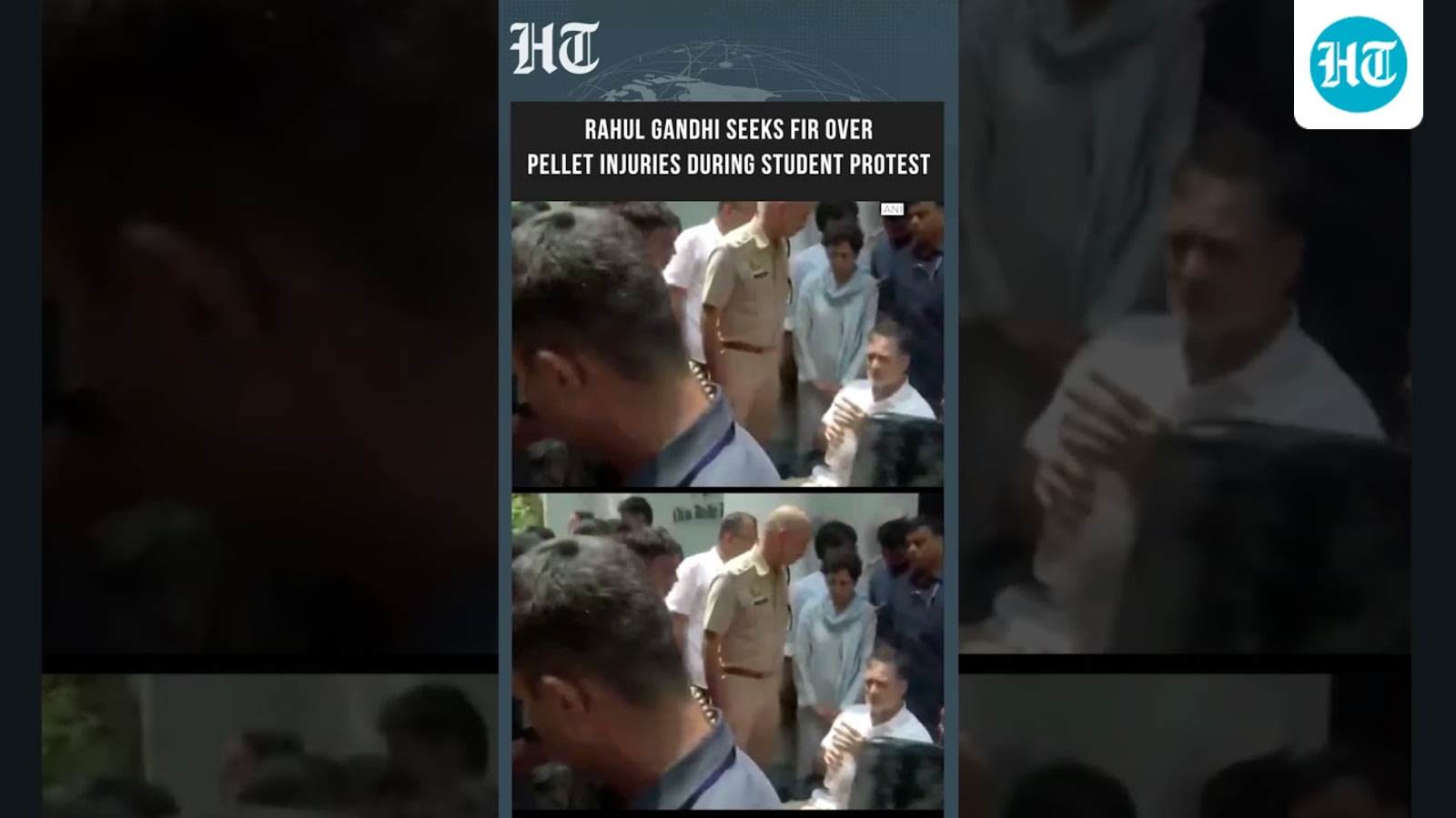
Leader of the Opposition Rahul Gandhi is staging a sit-in at the Parliament Street Police Station. He is demanding the registration of an FIR for Sahil Lochav, a student who allegedly sustained pellet gun injuries during a protest at Jantar Mantar.
Rahul Gandhi Stages Sit-in Over Alleged Police Inaction
Leader of the Opposition in the Lok Sabha, Rahul Gandhi, has initiated a protest at the Parliament Street Police Station in Delhi. The demonstration follows his decision to accompany Sahil Lochav, a student who reportedly suffered pellet gun injuries during a demonstration at Jantar Mantar last month, to the DCP office to file an official complaint. Gandhi remains on-site, demanding that the authorities register a First Information Report (FIR) based on the written complaint submitted by the victim.
The Core Conflict: Accountability and Procedure
The standoff centers on the refusal of the police to register an FIR regarding the injuries sustained by Sahil Lochav. In the Indian legal system, an FIR is a critical document that initiates the formal investigation process into a cognizable offense. By refusing to file the report, the police are effectively stalling the legal recourse sought by the victim. Rahul Gandhi’s presence at the station serves as a high-profile intervention intended to force administrative compliance and highlight the alleged systemic reluctance of law enforcement to document violence against protesters.
Context of the Jantar Mantar Protest
The incident in question stems from a student protest held at Jantar Mantar, a site historically designated for peaceful demonstrations in the national capital. The use of pellet guns—weapons often associated with crowd control in high-tension environments—against students has raised significant questions regarding the proportionality of force used by security personnel. The alleged injuries sustained by Lochav have become a focal point for the opposition to critique the government's approach to dissent and the treatment of students during public demonstrations.
Political Implications of the 'Dharna'
Rahul Gandhi’s decision to engage in a 'dharna' (sit-in protest) inside the police station underscores a shift in his role as the Leader of the Opposition. By physically standing with the victim, Gandhi is utilizing his parliamentary status to apply direct pressure on the Delhi Police, which operates under the jurisdiction of the Union Home Ministry. This move is designed to amplify the victim's voice and frame the incident as a broader failure of the state to protect the rights of citizens to protest peacefully.
Broader Trends in Civil Liberties
This incident reflects growing concerns regarding the intersection of police power and civil liberties. The demand for an FIR is not merely a procedural request but a challenge to the perceived impunity of security forces. As this situation develops, it sets a precedent for how opposition leaders may leverage their presence to act as intermediaries between aggrieved citizens and the state apparatus. Future trends suggest that such high-stakes confrontations may become more frequent as political tensions over the handling of public protests continue to escalate within the capital.
Conclusion
The ongoing sit-in by Rahul Gandhi at the Parliament Street Police Station highlights the intense friction between the political opposition and law enforcement regarding the handling of student protests. Whether this intervention results in the registration of an FIR remains to be seen, but the event has successfully brought renewed attention to the use of force at Jantar Mantar and the necessity of transparent, accountable police procedures in a democratic society.
Verification Required?