Rahul Roye’s Aman, which challenges ‘limited sense of gender’, premieres at TIFF
Source Entity
Alaka Sahani
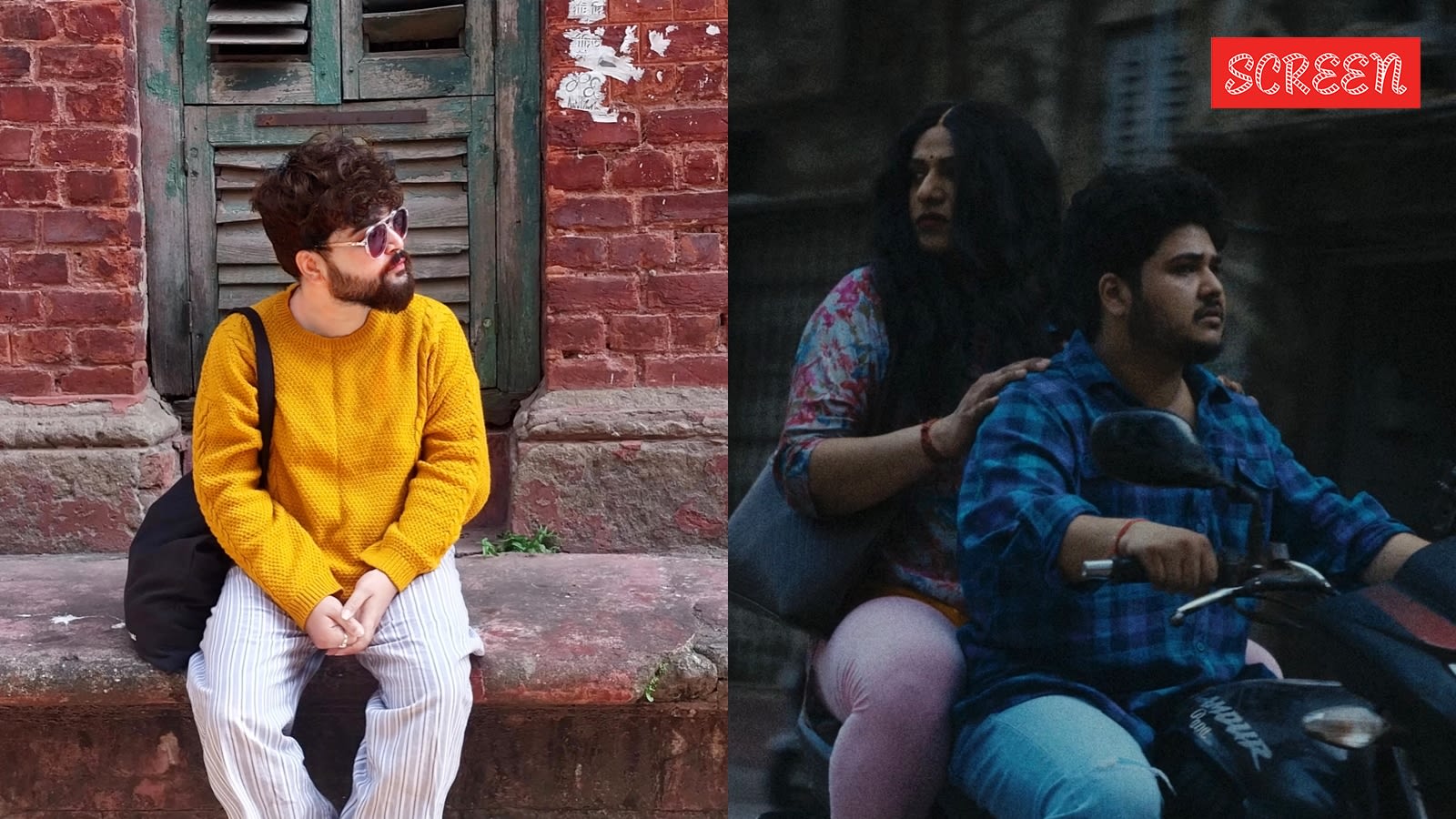
Rahul Roye’s short film 'Aman' premiered at the Toronto International Film Festival, exploring the intersection of gender identity and pregnancy. The narrative follows a trans man's journey of self-discovery after discovering he is pregnant before gender-affirming surgery.
The Cinematic Exploration of Gender and Biology
Filmmaker Rahul Roye’s latest short film, Aman, has officially premiered at the prestigious Toronto International Film Festival (TIFF), marking a significant milestone in contemporary queer cinema. The film, which Roye directed and co-wrote, offers a nuanced look at the complexities of gender identity, specifically focusing on the intersection of pregnancy and the trans experience. By centering its narrative on a protagonist who discovers he is pregnant shortly before scheduled gender-affirming surgery, the film challenges traditional, binary perceptions of what it means to be a man or a woman.
The Genesis of a Narrative
The inspiration for Aman is rooted in reality, stemming from a story Roye encountered while conducting research for a separate project in Mumbai. He learned of a transgender individual who was forced to pause hormone therapy upon discovering they were pregnant. This profound human experience—of navigating medical transition while simultaneously undergoing a biological life event—became the catalyst for Roye’s creative inquiry. By translating this real-world struggle into a fictional narrative, Roye highlights the often-invisible hurdles faced by the trans community in accessing healthcare and societal validation.
Character-Driven Storytelling
At the heart of the film is the character Aman, portrayed by actor Kabir Maan. The narrative follows his internal and external journey as he grapples with the unexpected news of his pregnancy. This conflict acts as a crucible for self-discovery, forcing Aman to reconcile his gender identity with his physiological reality. His path is made more navigable through his connection with Sirat, played by Sirat Taneja, who appears as a trans woman nurse. This relationship underscores the vital importance of community support and shared lived experiences in navigating a world that often demands rigid conformity.
Challenging the 'Limited Sense of Gender'
Roye has explicitly stated that Aman aims to challenge the "limited sense of gender" prevalent in current societal discourse. By showcasing a trans man who gives birth, the film disrupts the binary biological essentialism that frequently permeates medical and social definitions of gender. This thematic choice is not merely provocative; it is an invitation for the audience to expand their understanding of how gender is experienced, lived, and expressed beyond conventional medicalized frameworks.
Broader Implications and Future Trends
The premiere of Aman at TIFF reflects a growing trend in global cinema to prioritize authentic, diverse voices in storytelling. As film festivals continue to act as platforms for marginalized narratives, works like Roye’s are instrumental in fostering empathy and institutional change. The success of this film could pave the way for more nuanced portrayals of trans health and reproductive rights, moving the conversation away from sensationalism and toward a more comprehensive recognition of the diverse ways individuals navigate their physical and gendered existence.
Conclusion
In conclusion, Aman serves as both a piece of art and a social commentary. By grounding its narrative in the lived realities of the trans community and highlighting the intersectional nature of identity, Rahul Roye has contributed a vital voice to the cinematic landscape. As the film gains recognition on the festival circuit, its message—that gender is a complex, multifaceted journey—stands to influence cultural conversations surrounding identity, healthcare, and the fundamental human right to self-determination.